
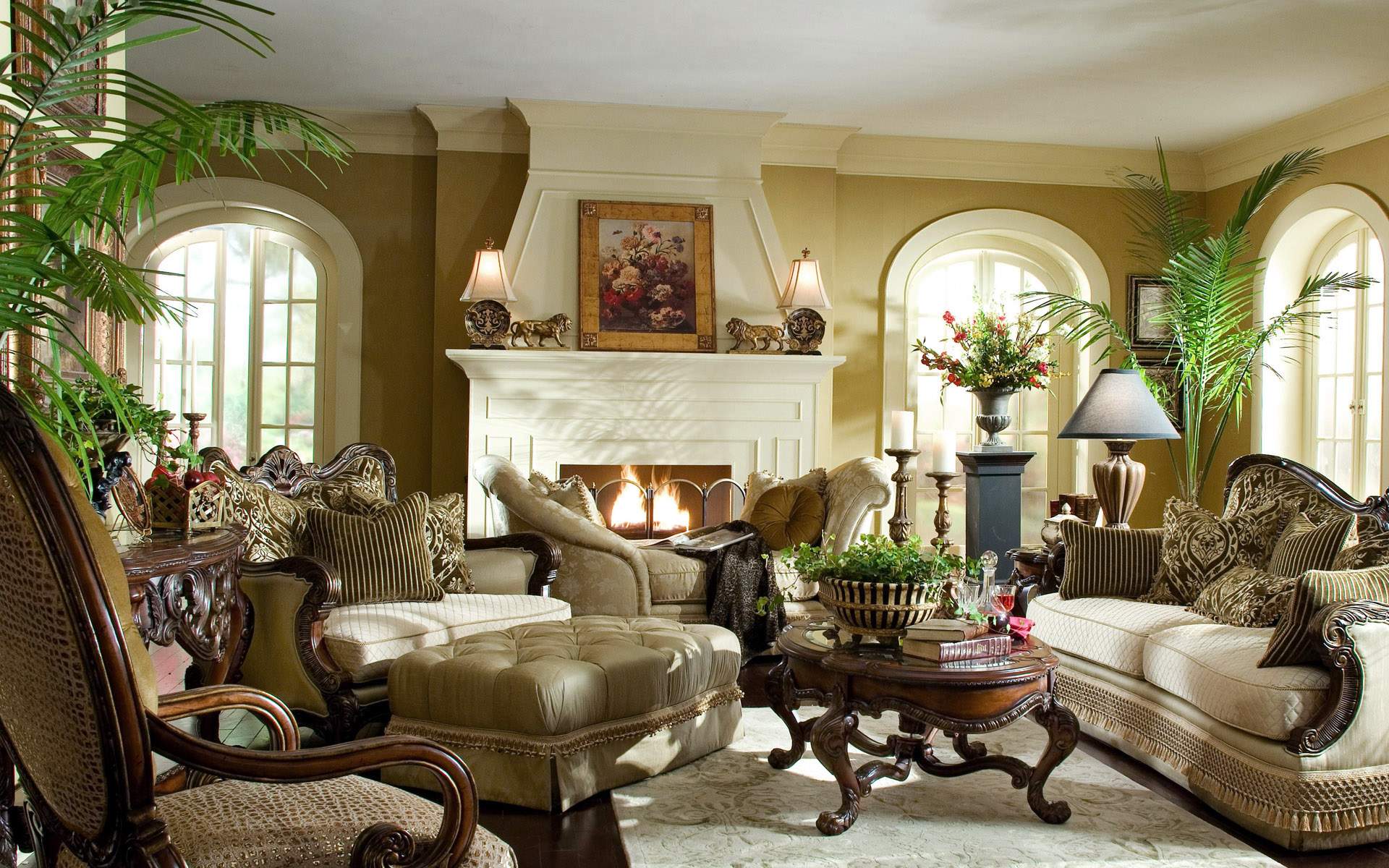
In a world saturated with fleeting trends and cookie-cutter designs, there’s an undeniable allure to homes that transcend the ordinary. These aren’t just four walls and a roof; they are curated sanctuaries, spaces that whisper tales of personality, passion, and impeccable taste. We’re talking about beautifully decorated homes – the kind that stop you in your tracks, inspire a sigh of admiration, and leave you wondering, "How did they do that?"
This isn’t about ostentatious displays of wealth or adherence to rigid design rules. True beauty in home decoration lies in a harmonious blend of aesthetics and emotion, a thoughtful composition that reflects the souls who inhabit it. It’s about creating an atmosphere, an experience, a place where comfort meets elegance and where every detail, from the grandest statement piece to the smallest trinket, plays its part in a captivating narrative.
So, what are the secret ingredients that transform a house into a breathtaking abode? Let’s delve deep into the art and science of creating spaces that not only look good but feel incredible.
The Foundation of Fascination: Color, Light, and Flow
Before the furniture even arrives, the stage must be set. The foundation of any beautifully decorated home is a masterful interplay of color, light, and flow.
-
Color as a Canvas: Color is the soul of a room. It dictates mood, evokes emotions, and sets the overall tone. While neutrals offer a timeless elegance, the truly captivating homes often embrace bolder choices or sophisticated muted palettes. Think beyond the predictable. A deep emerald green can bring the serenity of nature indoors, while a burnt sienna can exude warmth and earthiness. The trick lies in understanding color psychology and how different hues interact. Layering shades within a chosen palette adds depth and sophistication. Consider accent walls, unexpected pops of color in upholstery or artwork, and the subtle impact of accent colors in decorative accessories. The key is intentionality; every color choice should serve a purpose in the overall design narrative.
-
The Magic of Light: Light is the unsung hero of interior design. Natural light is a gift, and maximizing its potential is paramount. Large windows, strategically placed mirrors to reflect light, and a thoughtful approach to window treatments (sheer fabrics for diffused light, heavier drapes for drama) can transform a space. Artificial lighting, however, is where many beautifully decorated homes truly shine. Layered lighting – ambient (overall illumination), task (for specific activities like reading or cooking), and accent (to highlight artwork or architectural features) – creates a dynamic and inviting atmosphere. Dimmers are your best friend, allowing you to adjust the mood from bright and energic to soft and intimate. Consider the warmth of the bulbs; warmer tones generally create a cozier feel.
-
The Dance of Flow: A beautifully decorated home feels effortless to navigate. This is the concept of flow. It’s about how you move through a space and how the different rooms connect. Open-plan living has its merits, but even in more traditional layouts, good flow can be achieved through furniture placement, the use of rugs to define zones, and the consistent use of materials or color palettes across adjacent areas. Avoid clutter that obstructs pathways. Think about sightlines – what do you see when you enter a room? Is it inviting? Does it draw you in?
The Art of the Arrangement: Furniture, Texture, and Statement Pieces
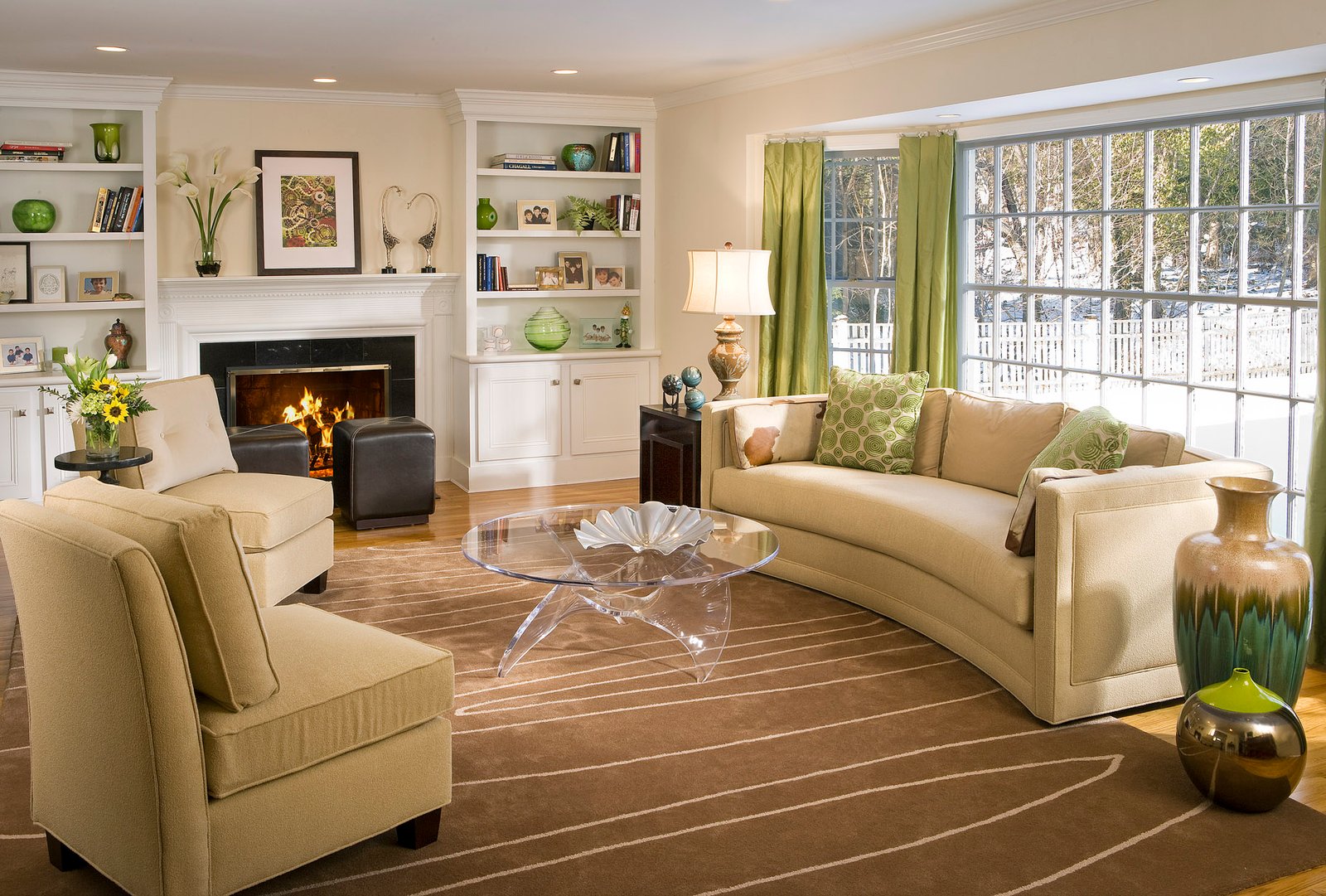
Once the foundational elements are in place, it’s time to bring in the players: furniture, textures, and those unforgettable statement pieces.
-
Furniture as Sculpture: Furniture is more than just functional; it’s sculptural. Beautifully decorated homes showcase furniture that is not only comfortable but also aesthetically pleasing. This doesn’t necessarily mean expensive designer pieces. It’s about quality, proportion, and style. Consider the silhouette of a sofa, the elegance of a dining chair, or the unique character of an antique side table. Arranging furniture for conversation and functionality is crucial. Create cozy nooks, define distinct seating areas, and ensure easy access to surfaces. The scale of furniture is also critical; oversized pieces can overwhelm a small room, while tiny items can get lost in a grand space.
-
The Symphony of Texture: Texture adds depth, warmth, and visual interest, preventing a room from feeling flat or sterile. Think of the luxurious feel of velvet, the natural charm of linen, the rustic appeal of wood, the smooth coolness of marble, or the soft embrace of a plush rug. Layering different textures creates a tactile experience that invites touch and enhances the sensory richness of a space. A chunky knit throw on a leather sofa, a woven basket next to a sleek metal lamp, or a silk cushion on a linen armchair – these combinations elevate the design.
-
The Power of the Statement Piece: Every beautifully decorated home has at least one or two statement pieces that command attention and inject personality. This could be a dramatic piece of art, a striking chandelier, a vintage mirror with an ornate frame, a bold accent chair, or a unique architectural element. These pieces act as focal points, drawing the eye and anchoring the design. They are conversation starters and reflections of the homeowner’s unique taste. However, the key is balance; too many statement pieces can create visual chaos.
The Finer Details: Art, Accessories, and Personal Touches
The magic truly happens in the details. These are the elements that transform a well-designed space into a truly captivating one.
-
Art as the Soul’s Expression: Art is the soul of a room, a powerful way to express personality and add character. This encompasses everything from framed paintings and photographs to sculptures, tapestries, and even well-curated collections of objects. The scale and placement of art are important. A gallery wall can create a dynamic focal point, while a single large piece can anchor a room. Don’t be afraid to mix styles and periods. The most impactful art collections often tell a personal story.
-
Accessories: The Jewelry of the Home: Decorative accessories are the "jewelry" of a beautifully decorated home. They are the finishing touches that tie everything together. Think thoughtfully chosen vases, decorative bowls, books, candles, plants, and curated collections. The key is curation, not clutter. Each item should have a purpose or bring joy. Grouping items in odd numbers often creates a more pleasing aesthetic. Consider the materials, colors, and textures of your accessories to ensure they complement the overall design.
-
The Unmistakable Mark of Personality: Ultimately, what makes a home truly beautiful is the unmistakable mark of the people who live there. Beautifully decorated homes are not showrooms; they are lived-in spaces that reflect the inhabitants’ passions, hobbies, and life experiences. This could be a shelf filled with well-loved books, a collection of travel souvenirs, a dedicated space for a hobby, or even family photos displayed with care. These personal touches imbue a home with warmth, authenticity, and a sense of belonging.
Embracing Imperfection: The Beauty of the Lived-In
It’s important to remember that beautifully decorated homes are not sterile, perfect environments. The most captivating spaces often have a sense of warmth and lived-in comfort. A slightly worn armchair that tells a story, a stack of books waiting to be read, or a collection of well-loved objects all contribute to a home’s charm. Embrace the beauty of imperfection; it’s what makes a house feel like a home.
Unlocking Your Own Beautifully Decorated Home
Creating a beautifully decorated home is a journey, not a destination. It’s about developing your personal style, understanding the principles of design, and most importantly, creating a space that brings you joy and comfort.
- Find Your Inspiration: Browse magazines, Pinterest, Instagram, and even architecture tours to gather ideas and identify styles that resonate with you.
- Start with a Vision: Before you buy anything, have a general idea of the mood and style you want to achieve.
- Invest Wisely: Prioritize key pieces that will have a lasting impact.
- Don’t Be Afraid to Experiment: Try different color palettes, furniture arrangements, and decorative elements.
- Trust Your Gut: Ultimately, your home should reflect your personality and make you feel happy.
So, step away from the beige, embrace the bold, and start curating a space that truly steals your breath. The secrets to a beautifully decorated home are within your reach, waiting to be unlocked, and ready to transform your living space into a masterpiece of comfort, style, and undeniable charm.




Leave a Comment
You must be logged in to post a comment.