
In today’s increasingly connected world, the concept of "home" has evolved. It’s no longer just a physical structure; it’s a sanctuary, a hub of our lives, and a place where we expect to feel most secure. But with the rise of smart technology, so too has the sophistication of potential threats. Are you truly protected? Are you leveraging the incredible power of smart home security to keep your loved ones and your possessions safe?
The good news is, securing your home has never been more accessible or effective. Forget clunky alarm systems and confusing wiring. The era of the best smart home security is here, offering peace of mind, convenience, and a level of control that was once the stuff of science fiction. This comprehensive guide will dive deep into what makes a smart home security system truly smart, explore the must-have components, and equip you with the knowledge to build a fortress that even the most determined intruders would think twice about. Get ready to transform your home into an impenetrable, yet effortlessly manageable, haven.
Beyond the Basics: What Actually Makes Security "Smart"?
The term "smart" in smart home security isn’t just a buzzword; it signifies a fundamental shift in how we protect our homes. It’s about connectivity, automation, and intelligence.
- Connectivity: This is the backbone of any smart security system. Devices communicate wirelessly with each other and with your home network, allowing for remote monitoring and control via your smartphone or tablet. This means you can check on your home from anywhere in the world, receive instant alerts, and even grant temporary access to trusted individuals.
- Automation: Smart security goes beyond simple alerts. It can automate responses to potential threats. For example, if a motion sensor is triggered, your smart lights can instantly turn on, your smart locks can engage, and a siren can sound, all without your direct intervention. This layered approach creates a formidable deterrent.
- Intelligence: This is where the real magic happens. Modern smart security systems are increasingly incorporating artificial intelligence (AI) and machine learning. This allows them to distinguish between a pet walking by and a human intruder, reduce false alarms, and even learn your daily routines to better anticipate potential risks. Some systems can analyze video footage for specific patterns or anomalies, providing a more nuanced understanding of what’s happening at your property.
The Pillars of a Robust Smart Home Security System: Essential Components
Building the best smart home security system involves understanding the core components and how they work in synergy. Think of these as the essential building blocks of your digital fortress.
1. The Central Hub: The Brains of the Operation
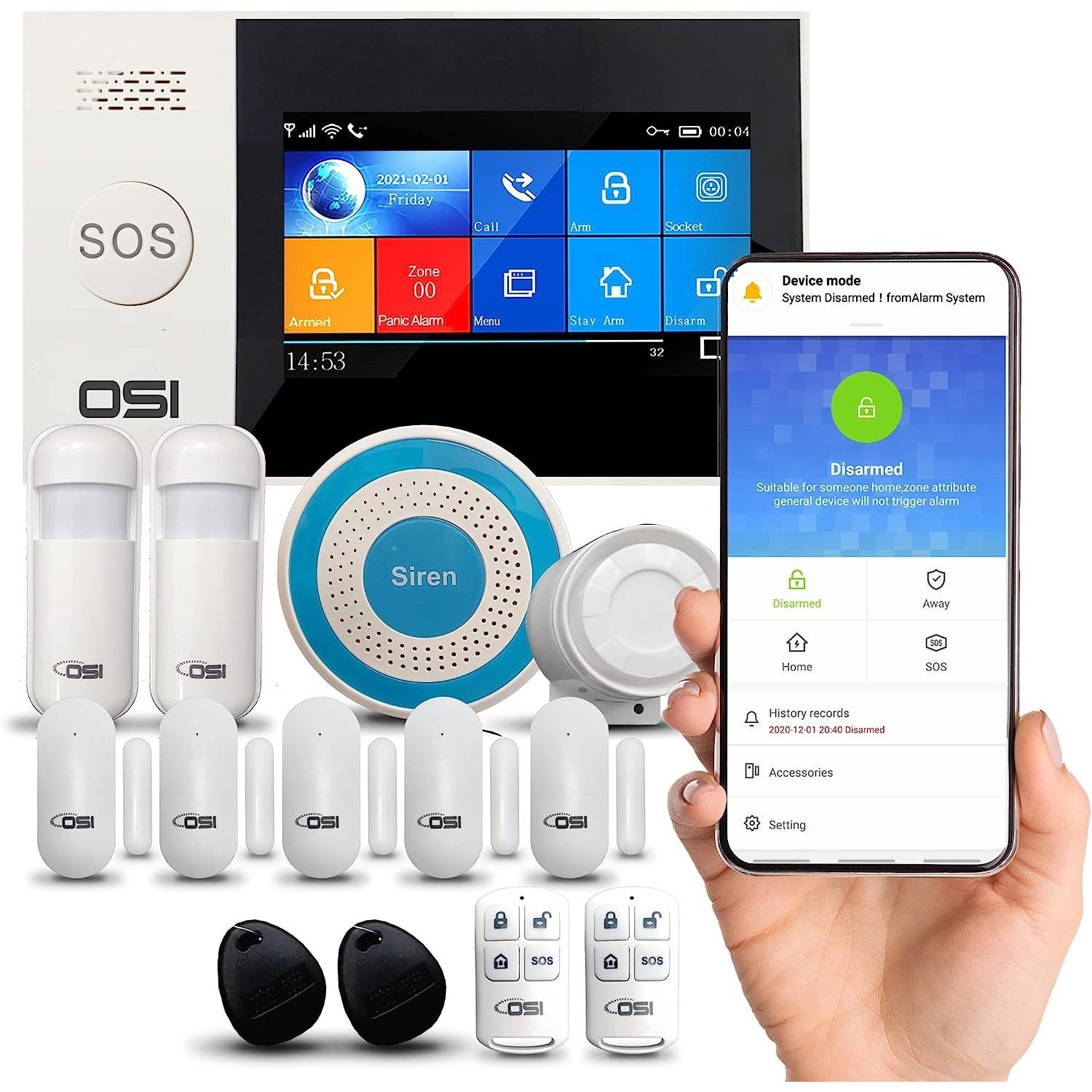
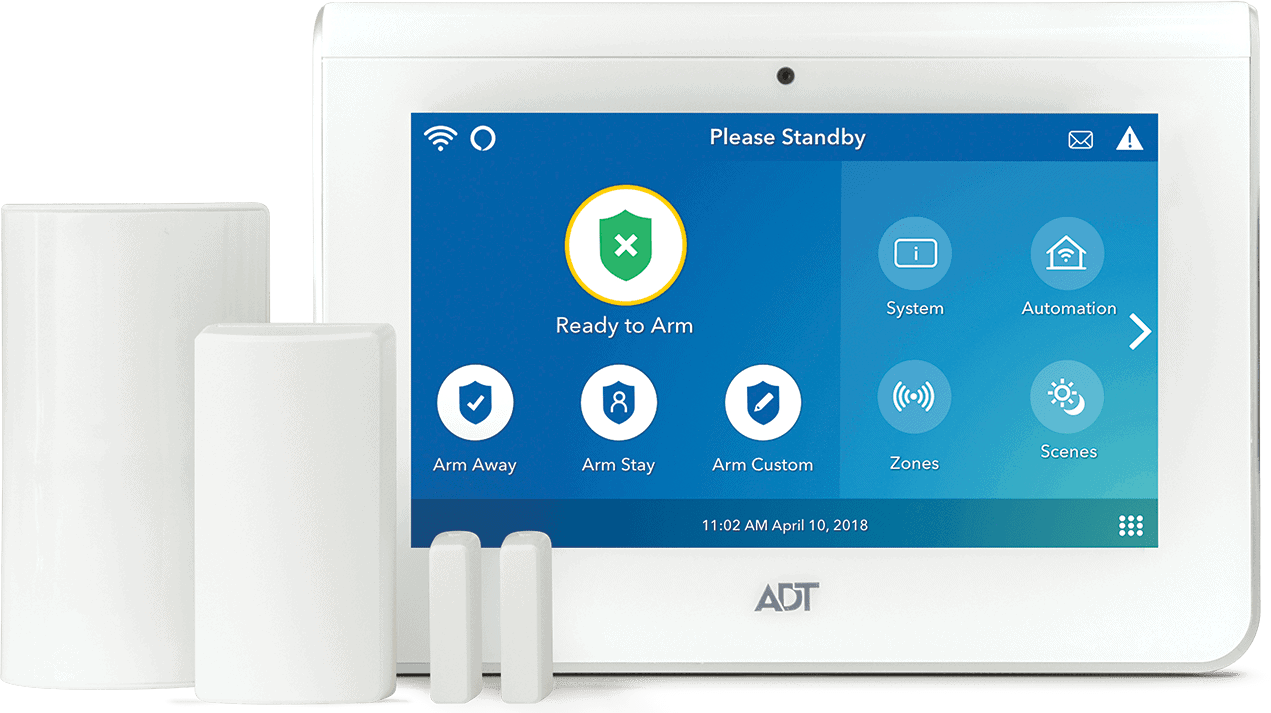
Every smart home ecosystem needs a central hub, and smart security is no exception. This device acts as the communication bridge between all your other smart security devices, your Wi-Fi network, and your smartphone app.
- Functionality: It receives signals from sensors, processes them, and sends commands to other devices (like sirens or smart lights). It’s also the primary point for connecting to your mobile app.
- Types: Some security systems come with their own dedicated hub, while others integrate with existing smart home platforms like Amazon Alexa, Google Assistant, or Apple HomeKit. Choosing a system that integrates with your preferred ecosystem can simplify setup and control.
- Importance: A reliable hub ensures seamless communication and responsiveness, which is critical during a security event.
2. Smart Door Locks: The First Line of Defense
Your doors are the most common entry points for intruders. Smart door locks offer unparalleled convenience and security compared to traditional deadbolts.
- Keyless Entry: Unlock your door with a keypad code, your smartphone app, or even voice commands. This eliminates the risk of lost or stolen keys.
- Remote Access & Control: Grant temporary access to guests, delivery personnel, or service providers remotely. You can even revoke access instantly if needed.
- Activity Logs: See who entered and when, providing valuable insight and accountability.
- Auto-Locking: Set your doors to lock automatically after a certain period or when you leave home.
- Integration: Many smart locks integrate with other security devices, allowing them to lock automatically when your alarm is armed or when a smoke detector is triggered.
3. Smart Security Cameras: Your Always-Watching Eyes
Cameras are your primary tool for visual verification and evidence gathering. The quality and features of smart cameras have advanced dramatically.
- Indoor vs. Outdoor: Choose cameras suitable for their intended environment, with outdoor cameras offering weather resistance and enhanced durability.
- Resolution & Night Vision: High-definition (HD) video is crucial for clear identification. Infrared (IR) night vision ensures visibility in complete darkness.
- Motion Detection & Alerts: Receive instant notifications on your phone when motion is detected. Advanced systems offer customizable motion zones to reduce false alarms.
- Two-Way Audio: Communicate with people near the camera, whether it’s to greet a visitor or deter an intruder.
- Cloud Storage & Local Storage: Footage can be stored securely in the cloud or on a local device (like an SD card). Cloud storage offers off-site backup, while local storage can be more cost-effective.
- AI Features: Some cameras offer advanced AI for facial recognition, package detection, and distinguishing between people, animals, and vehicles.
4. Doorbell Cameras: The Smart Welcome Mat
Doorbell cameras combine the functionality of a doorbell with a security camera, offering a vigilant greeting.
- See Who’s at the Door: From anywhere, you can see, hear, and speak to visitors before you open the door.
- Deterrence: The visible presence of a doorbell camera can deter potential porch pirates and opportunistic burglars.
- Motion Alerts: Receive alerts when someone approaches your door, even if they don’t ring the bell.
- Package Detection: Some advanced doorbell cameras can alert you specifically when a package is delivered or removed.
5. Smart Sensors: The Silent Guardians
Sensors are the unsung heroes of smart home security, silently monitoring for breaches and environmental hazards.
- Door and Window Sensors: These two-piece sensors detect when a door or window is opened. They are crucial for perimeter security.
- Motion Sensors: Detect movement within a room or area. Advanced sensors can differentiate between human and pet motion to minimize false alarms.
- Glass Break Sensors: Detect the specific sound frequency of breaking glass, providing an early warning before entry.
- Environmental Sensors:
- Smoke Detectors: Receive instant alerts on your phone if smoke is detected, even when you’re away.
- Carbon Monoxide (CO) Detectors: Protect your family from this invisible, odorless gas.
- Water Leak Sensors: Detect leaks from pipes, appliances, or overflowing sinks, preventing costly water damage.
6. Smart Sirens and Alarms: The Loud Deterrent
When a breach is detected, a loud siren is a powerful deterrent and an alert to neighbors.
- Audible Alarm: High-decibel sirens can disorient intruders and alert occupants and neighbors to a potential break-in.
- Customizable Tones: Some systems allow for different siren tones for different types of alerts.
- Integration: Sirens are typically triggered automatically by sensors or security cameras when a threat is detected.
7. Smart Lighting: The Illuminating Deterrent
Smart lights are more than just convenient; they can be a proactive security measure.
- Simulated Occupancy: Schedule lights to turn on and off randomly when you’re away, making your home appear occupied.
- Motion-Activated Lighting: Lights can automatically turn on when motion is detected outdoors, deterring potential intruders and improving visibility.
- Integration: Lights can be programmed to turn on when a security sensor is triggered, illuminating escape routes or deterring an intruder.
Building Your "Best Smart Home Security" System: Key Considerations
Now that you understand the components, let’s talk about building your personalized system.
1. Assess Your Needs & Budget
- Home Size and Layout: A larger home will require more sensors and cameras. Consider blind spots.
- Threat Assessment: Are you concerned about break-ins, package theft, or environmental hazards? Tailor your system accordingly.
- Budget: Smart home security systems can range from DIY kits to professionally installed comprehensive solutions. Determine what you can afford.
2. DIY vs. Professional Installation
- DIY: Many smart home security systems are designed for easy self-installation, saving you money. They typically involve wirelessly connecting devices to a hub and setting them up via a mobile app.
- Professional Installation: For those who prefer expert setup or have complex home layouts, professional installation offers convenience and ensures optimal placement and functionality.
3. Connectivity and Compatibility
- Wi-Fi Strength: Ensure you have a robust and reliable Wi-Fi network to support all your smart devices. Consider a mesh Wi-Fi system if you have dead zones.
- Device Compatibility: Crucially, ensure all your chosen devices are compatible with each other and with your chosen smart home ecosystem (e.g., Alexa, Google Assistant, HomeKit). Look for the "Works with…" badges.
4. Subscription Services: What’s Included?
Many smart security systems offer optional subscription services that unlock advanced features:
- Cloud Storage: For video footage.
- Professional Monitoring: A 24/7 monitoring center that can dispatch emergency services if an alarm is triggered. This is a significant step up in security.
- Extended Warranties and Support.
Evaluate whether these services are worth the recurring cost for your peace of mind.
5. User-Friendliness and App Interface
The best smart home security systems are intuitive and easy to manage.
- Mobile App: The accompanying mobile app should be well-designed, offering clear control over all your devices, customizable settings, and easy access to alerts and footage.
- Voice Control: Seamless integration with voice assistants like Alexa or Google Assistant adds another layer of convenience.
The Future of Smart Home Security: What’s Next?
The evolution of smart home security is far from over. We’re seeing exciting advancements:
- More Sophisticated AI: Expect even smarter anomaly detection, predictive security, and personalized security profiles.
- Integration with Smart City Infrastructure: In the future, smart homes might communicate with local emergency services more directly.
- Enhanced Cybersecurity: As devices become more interconnected, robust cybersecurity measures will be paramount to protect against hacking.
Conclusion: Your Smart Sanctuary Awaits
Investing in the best smart home security system is an investment in your peace of mind, your family’s safety, and the protection of your valuable possessions. By understanding the core components, carefully considering your needs, and choosing compatible, reliable devices, you can transform your house into a smart, secure sanctuary. Don’t wait for an incident to happen; take control of your home’s security today and sleep soundly knowing you’re protected by the power of smart technology. The era of effortless, intelligent home protection is here, and it’s more accessible than you ever imagined.




Leave a Comment
You must be logged in to post a comment.