
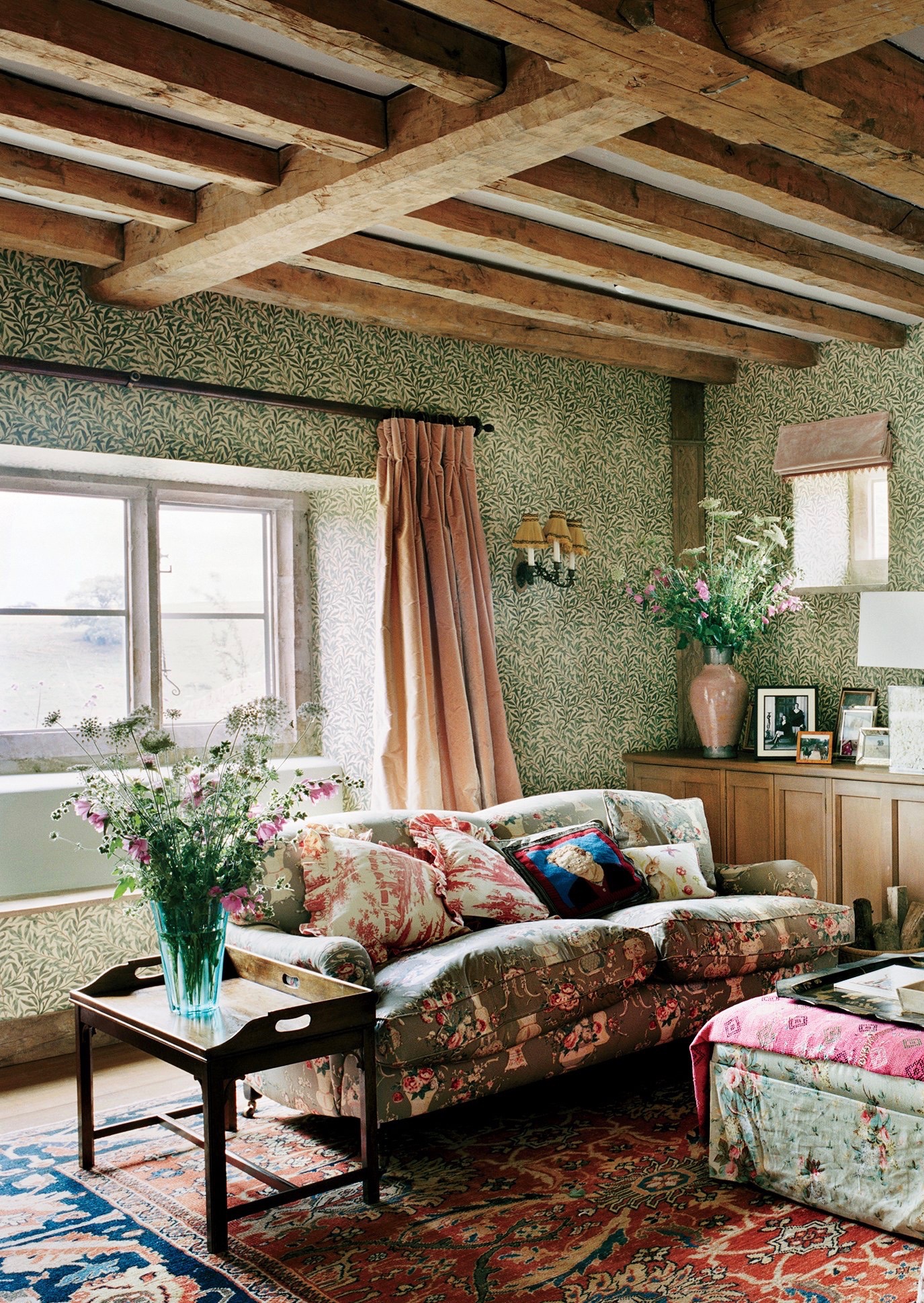
Tired of sterile, cookie-cutter interiors? Do you dream of a living space that feels like it’s been plucked from the pages of a beloved storybook, infused with warmth, history, and a touch of whimsical magic? Then prepare to be utterly captivated by the timeless allure of English Cottage Home Decor. Forget fleeting trends; this style is an enduring embrace of comfort, character, and an undeniable sense of cozy sanctuary.
English cottage style is more than just an aesthetic; it’s a feeling. It’s the scent of blooming roses wafting through an open window, the gentle crackle of a fireplace on a crisp evening, the comforting weight of a well-loved armchair, and the echo of generations past. It’s a celebration of imperfection, a reverence for nature, and a deep appreciation for the simple, beautiful things in life. If you’ve ever felt a pull towards a more personal, inviting, and story-rich home, then this is the style that will speak directly to your soul.
But how do you weave this enchanting spell into your own abode? Fear not, for the magic of English cottage decor is surprisingly accessible, and by understanding its core principles, you can effortlessly transform your space into a haven of rustic charm.
The Heart of the Cottage: Embracing Nature’s Palette and Textures
At the very core of English cottage decor lies an intimate connection with the natural world. This isn’t about sleek, manufactured finishes; it’s about embracing the organic, the weathered, and the beautifully imperfect.
Color Palette: A Symphony of Earthy Tones and Gentle Hues.
Think of the colors you’d find in a blooming English garden or a sun-dappled forest. The foundation of an English cottage palette is built upon soft, muted tones. Creamy whites, warm beiges, and gentle ivories create a serene backdrop, allowing other elements to shine. These are then layered with the calming greens of foliage, the soft blues of a summer sky, and the muted rosy hues of faded wildflowers. Don’t shy away from deeper, earthy tones like moss green, warm terracotta, and rich, soil-like browns. These add depth and grounding. For a touch of classic charm, incorporate subtle pops of antique rose, lavender, and buttery yellow. The key is a harmonious blend, avoiding anything too garish or overly saturated.
Textures: A Tactile Tapestry of Comfort.
This is where English cottage decor truly comes alive. Imagine running your hand over a worn, linen cushion, sinking into a plush velvet armchair, or feeling the rough, comforting weave of a hand-knitted throw. Texture is paramount. Embrace natural materials:
- Wood: Unfinished, painted, or subtly distressed wood is a hallmark. Think exposed beams, reclaimed wood furniture, and wooden flooring that tells a story. Even painted wood, like a charming Shaker-style cabinet, adds to the rustic appeal.
- Fabrics: Natural fibers reign supreme. Linen, cotton, wool, and even a touch of velvet or chenille create inviting tactile experiences. Look for fabrics with subtle weaves, slubby textures, or a slightly faded appearance.
- Stone and Brick: If your home has these elements, let them shine! Exposed brick walls or stone fireplaces are incredibly evocative of cottage charm. If not, consider incorporating these materials through decorative accents like stone planters or brick-effect wallpaper.
- Wrought Iron: Delicate wrought iron details on lighting fixtures, furniture legs, or even decorative screens add a touch of vintage elegance.
The Soul of the Cottage: Furnishings That Whisper Stories
The furniture in an English cottage isn’t about ostentatious displays of wealth; it’s about comfort, functionality, and pieces that feel lived-in and loved.
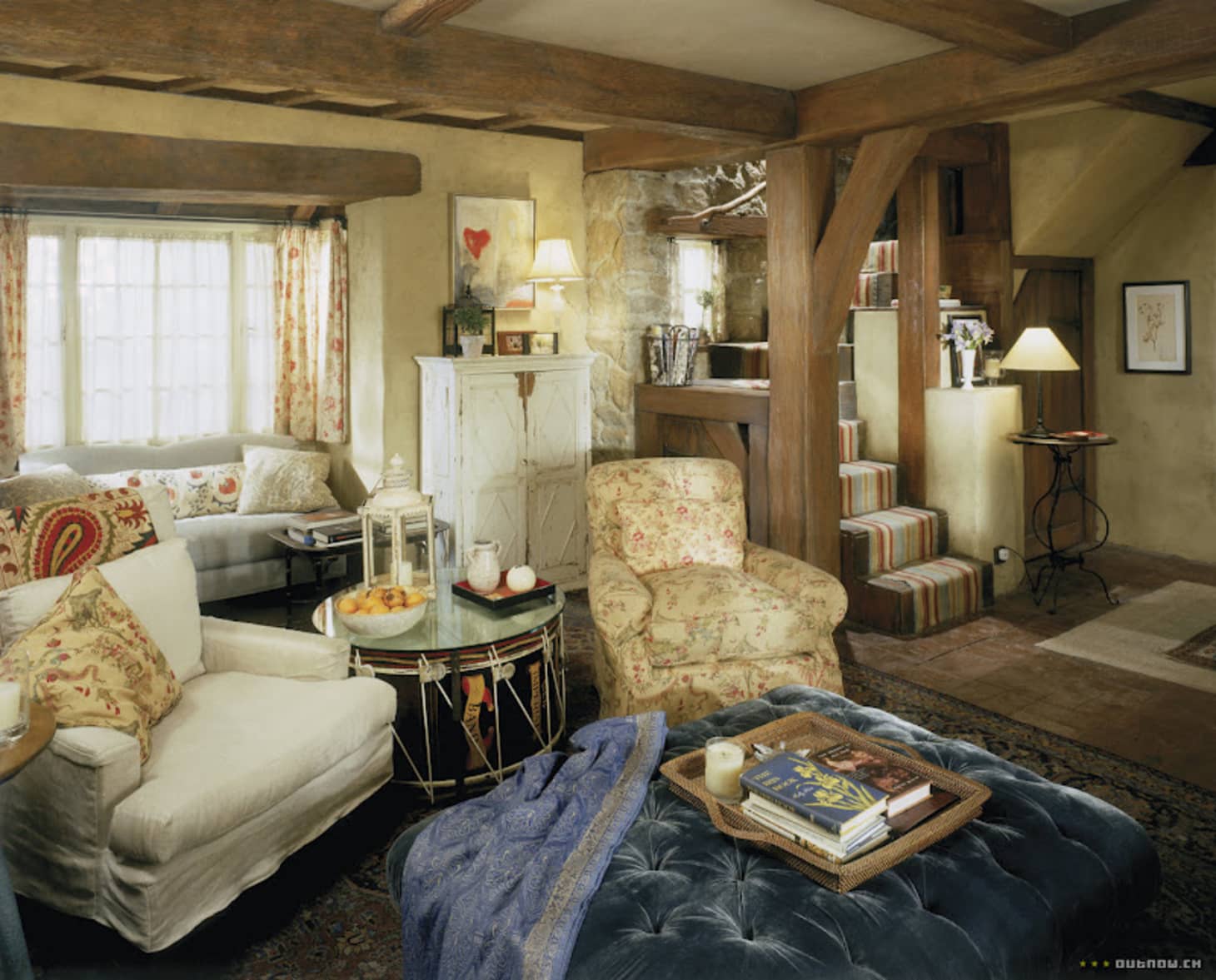
Comfort is King (and Queen!): Sink-In Sofas and Cozy Armchairs.
Forget stiff, modern seating. English cottage style prioritizes comfort. Think deep-seated sofas upholstered in floral prints or solid, muted fabrics, piled high with cushions. Generous armchairs, perhaps a classic wingback or a well-worn leather club chair, invite you to curl up with a good book. The aim is for seating that feels welcoming and encourages relaxation.
Vintage Charm and Patina:
Embrace pieces with a history. Antiques, vintage finds, and items with a visible patina add immeasurable character. A slightly chipped dresser, a weathered wooden trunk used as a coffee table, or a set of mismatched dining chairs all contribute to the narrative of the home. Don’t be afraid of imperfections; they are part of the charm.
Practicality Meets Pretty:
Cottage furniture is often practical. Think multi-functional pieces like blanket chests for storage, or small, sturdy tables that can be easily moved. However, practicality never sacrifices beauty. Even utilitarian items are chosen for their aesthetic appeal.
Layering and Accumulation:
This style thrives on layers of comfort and curated collections. It’s not about sparse, minimalist arrangements. Think of how a cottage might have evolved over time, with pieces added organically. This leads to a feeling of abundance and personality.
The Details That Enchant: Patterns, Motifs, and the Art of Accessorizing
The magic of English cottage decor truly shines in its delightful details. These are the elements that transform a house into a home filled with personality and charm.
Floral Fantasies and Delicate Prints:
Florals are undeniably synonymous with English cottage style. However, it’s not about overwhelming, modern patterns. Think of the delicate blooms found in an English garden: roses, peonies, hydrangeas, and wildflowers. These are often rendered in softer, more muted colorways, appearing on upholstery, curtains, cushions, and even wallpaper. Beyond florals, consider other charming motifs like subtle checks (gingham or tartans), delicate stripes, or even whimsical toile de Jouy. The key is to mix and match patterns thoughtfully, ensuring they harmonize rather than clash.
The Power of Textiles: Cushions, Throws, and Curtains.
Layering textiles is essential for achieving that cozy, inviting cottage feel. Piles of plush cushions in various sizes, textures, and patterns on sofas and armchairs are a must. Drape soft, knitted throws or chenille blankets over furniture for added warmth and visual interest. Curtains are often made from natural fabrics like linen or cotton, featuring soft pleats and perhaps a delicate floral print or a classic stripe. They should frame windows beautifully, allowing soft, natural light to filter in.
Curated Collections and Personal Touches:
English cottages are often filled with collections that reflect the owner’s passions and history. This could be anything from antique teacups and saucers displayed on shelves to vintage botanical prints adorning the walls. Open shelving is ideal for showcasing these treasures. Consider displaying:
- Ceramics: Vintage china, earthenware pottery, and decorative plates add a touch of handmade charm.
- Books: Well-loved books, stacked on shelves or bedside tables, are a quintessential cottage element.
- Art: Botanical prints, landscape paintings, and framed watercolors evoke the natural beauty and artistic heritage of the countryside.
- Sentimental Objects: Photographs, heirlooms, and travel souvenirs add a deeply personal touch.
Lighting: Creating a Warm and Inviting Ambiance.
Lighting plays a crucial role in creating the cozy atmosphere of an English cottage. Avoid harsh, overhead lighting. Instead, opt for multiple sources of soft, warm light.
- Table and Floor Lamps: These are your best friends for creating intimate pools of light. Look for lamps with fabric shades in warm tones or with decorative bases.
- Sconces: Wall-mounted sconces can add a touch of vintage charm and provide ambient lighting.
- Candles: The flickering glow of candles instantly creates a romantic and inviting mood.
The Garden Indoors: Bringing the Outside In
One of the most defining characteristics of English cottage decor is its seamless integration of the outdoors.
Abundant Greenery:
Plants are not just decorative; they are an integral part of the cottage aesthetic. Fill your home with an abundance of indoor plants, from trailing ivy cascading from shelves to potted herbs on the windowsill. Consider:
- Ferns: Their delicate fronds add a touch of wildness.
- Potted Herbs: Basil, rosemary, and lavender not only look beautiful but also fill the air with delightful fragrances.
- Flowering Plants: Cyclamen, primroses, and small flowering shrubs bring vibrant color indoors.
Floral Motifs Everywhere:
As mentioned before, floral patterns are key, but this extends beyond fabrics. Look for floral-inspired decorative objects, such as ceramic vases adorned with floral designs or embroidered cushions.
Natural Light:
Maximize natural light wherever possible. Keep windows uncluttered and use sheer curtains to allow soft light to flood the rooms. This connection to the outdoors is essential for the cottage feel.
The Enchanting Essence: Making it Your Own
Ultimately, the true magic of English cottage decor lies in its ability to feel personal, lived-in, and deeply comforting. It’s a style that invites you to slow down, savor the simple pleasures, and create a sanctuary that reflects your unique personality.
Don’t be afraid to mix and match. The beauty of this style is its forgiving nature. Combine vintage finds with newer pieces, layer different patterns, and let your personality shine through your chosen accessories.
Embrace imperfection. Chipped paint, faded fabrics, and slightly worn furniture are not flaws; they are badges of honor that tell a story.
Focus on comfort and coziness. This is a style that prioritizes feeling good. Choose furniture that invites relaxation and textiles that are soft to the touch.
Bring the outdoors in. Plants and natural elements are essential for capturing the essence of the English countryside.
English cottage decor is an invitation to create a home that feels like a warm embrace, a place where stories unfold and memories are made. By embracing its core principles of nature, comfort, and personal charm, you can unlock the enchanting secret to a home that whispers fairytales and truly nourishes the soul. So, go forth, gather your treasures, and let the magic of the cottage bloom within your walls!


Leave a Comment
You must be logged in to post a comment.