
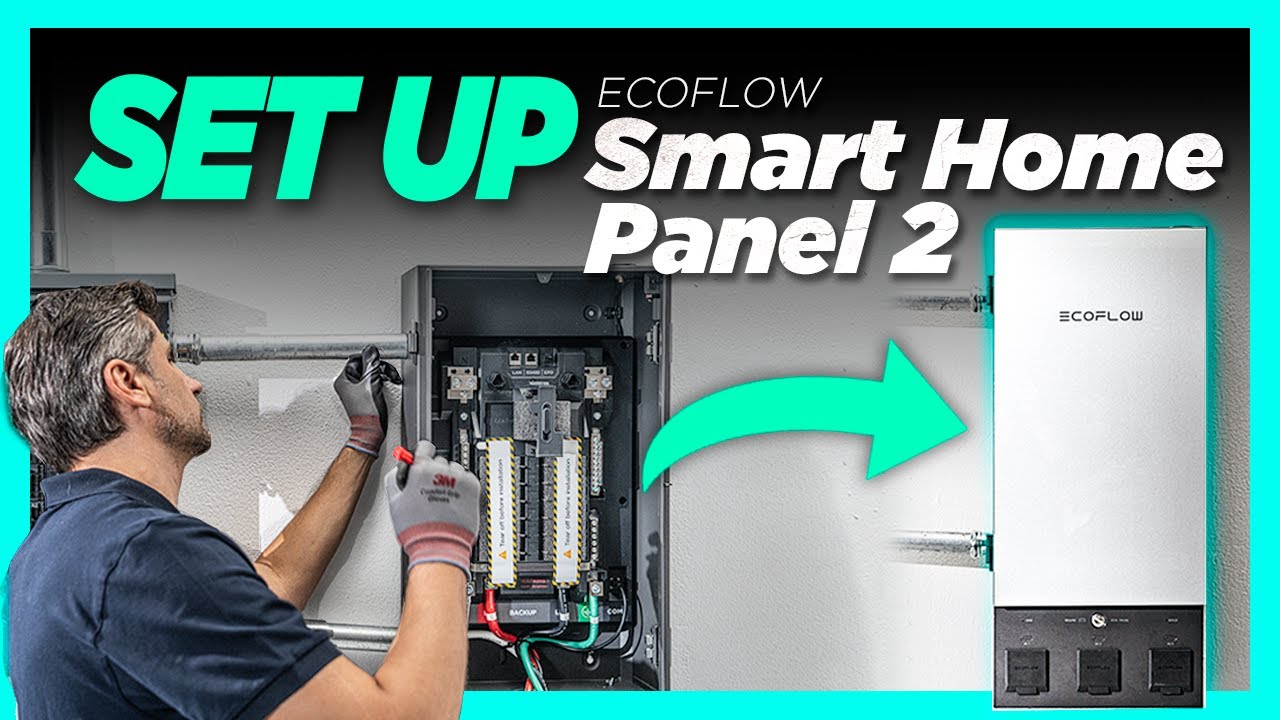
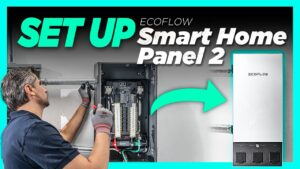
The promise of a seamlessly integrated, energy-independent smart home is an alluring one. With rising energy prices and a growing desire for sustainability, solutions like the EcoFlow Smart Home Panel 2 are capturing significant attention. This innovative device acts as the brain of your home’s energy system, allowing you to intelligently manage power from the grid, solar panels, and EcoFlow’s portable power stations. But as with any advanced technology, the question inevitably arises: what’s the real cost of getting the EcoFlow Smart Home Panel 2 installed?
While the upfront price of the panel itself is a significant factor, the true investment lies in its installation. This isn’t a plug-and-play gadget; it’s a sophisticated electrical component that requires professional expertise. This article will delve deep into the various components that contribute to the EcoFlow Smart Home Panel 2 installation cost, offering a comprehensive understanding to help you make an informed decision. We’ll explore the factors influencing these costs, potential hidden fees, and ultimately, whether this transformative technology is a worthwhile investment for your home.
Deconstructing the EcoFlow Smart Home Panel 2 Installation Cost: More Than Just the Panel
To truly grasp the installation cost, we need to break it down into its constituent parts. It’s not a single, fixed price, but rather a combination of labor, materials, and potentially unforeseen circumstances.
1. The EcoFlow Smart Home Panel 2 Unit Itself: The Foundation of the Cost
While this article focuses on installation, it’s impossible to ignore the price of the panel itself. The EcoFlow Smart Home Panel 2 is a premium product, and its cost reflects its advanced capabilities. While specific pricing can fluctuate based on region and retailer, expect this to be a substantial portion of your overall investment. This unit is the central nervous system, enabling the intelligent load management, seamless grid-to-battery switching, and integration with your existing solar setup.
2. Professional Installation Labor: The Brain Surgeon of Your Electrical System
This is arguably the most significant variable in the installation cost. The EcoFlow Smart Home Panel 2 is not a DIY project for the average homeowner. It requires a licensed and qualified electrician who understands modern electrical systems, smart home technology, and potentially solar integration.
-
Electrician’s Hourly Rate: This varies significantly based on your geographical location, the electrician’s experience, and the complexity of the job. Major metropolitan areas typically command higher rates than rural ones. Experienced electricians with a proven track record in smart home installations will also charge more. Expect rates to range from $75 to $200+ per hour.
-
Time Required for Installation: A standard installation can take anywhere from 4 to 12 hours, depending on the complexity of your existing electrical panel, the number of circuits to be managed, and whether solar integration is involved. A simple setup might be on the lower end, while a complex system with multiple solar arrays and numerous circuits could push towards the higher end.
-
Complexity of Existing Electrical System: If your home has an older, outdated electrical panel, or if the wiring is not up to current code, the electrician may need to perform additional work to bring it up to standard before the EcoFlow panel can be safely installed. This could involve upgrading the main breaker, rewiring certain circuits, or even replacing the entire electrical panel, all of which add to the labor cost.
-
Site Assessment and Planning: Before any work begins, a good electrician will conduct a thorough site assessment. This involves evaluating your current electrical setup, determining the best location for the panel, and planning the wiring pathways. This planning phase, while crucial for a smooth installation, is also part of the billable hours.
3. Materials and Additional Components: The Building Blocks of Integration
Beyond the panel and the electrician’s time, several other materials and components can contribute to the overall cost:
-
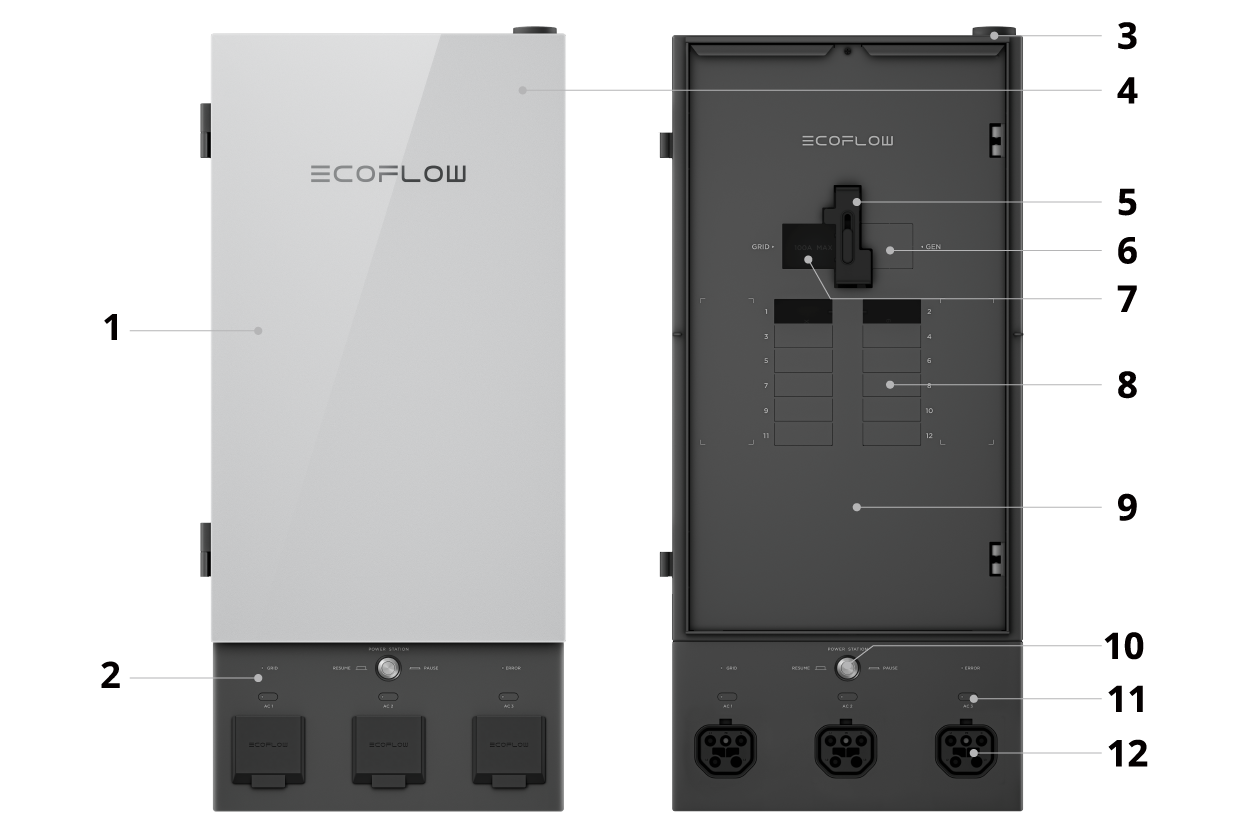
Wiring and Conduit: New wiring will be needed to connect the EcoFlow Smart Home Panel 2 to your existing electrical panel, solar inverter, and potentially your EcoFlow portable power station(s). The type and amount of wiring required will depend on the distances involved and the electrical loads. Conduit may also be necessary to protect the wiring, especially if it needs to be run through walls or exposed areas.
-
Circuit Breakers and Connectors: While the EcoFlow panel comes with some integrated breakers, additional circuit breakers might be required to isolate specific circuits that you want to manage. High-quality connectors and terminals are also essential for safe and reliable electrical connections.
-
Mounting Hardware: The panel needs to be securely mounted to a wall. This might require specific brackets or hardware, depending on the mounting surface.
-
Interconnection Equipment (for Solar): If you are integrating the EcoFlow Smart Home Panel 2 with an existing solar photovoltaic (PV) system, you may need additional interconnection equipment. This could include specific relays, disconnects, or other safety devices to ensure proper and safe integration with your solar inverter. The complexity and type of your solar setup will dictate these requirements.
-
Permits and Inspections: In many jurisdictions, electrical work, especially involving a new panel or significant modifications, requires permits from your local building department. The cost of these permits can range from $100 to $500+, depending on your location and the scope of the work. After installation, an inspector will need to verify that the work meets all electrical codes, and this inspection fee is also part of the overall cost.
4. Integration with EcoFlow Portable Power Stations: The Smart Synergy
The EcoFlow Smart Home Panel 2 is designed to work seamlessly with EcoFlow’s portable power stations (like the DELTA Pro, DELTA Max, etc.). If you don’t already own one, you’ll need to factor in the cost of purchasing a compatible power station. This can be a significant investment in itself, ranging from a few thousand dollars to tens of thousands, depending on the capacity and features you require. The more power stations you integrate, the more robust your backup power and energy management capabilities will be, but also the higher the initial outlay.
5. Potential for Hidden Costs and Considerations: The Unexpected Hurdles
While comprehensive planning can mitigate many issues, some "hidden" costs can arise:
-
Electrical Panel Upgrades: As mentioned earlier, if your existing panel is too old or undersized, a complete panel upgrade might be necessary. This is a significant undertaking and can add $1,000 to $5,000+ to the total cost, depending on the size and complexity of the upgrade.
-
Trenching for Outdoor Wiring: If your solar panels are located far from your home, or if you need to run wiring underground for any reason, trenching may be required. This can be labor-intensive and costly, especially if the terrain is difficult.
-
Unforeseen Structural Issues: During the installation process, an electrician might discover issues with your home’s framing, insulation, or existing wiring that need to be addressed before the new panel can be installed.
-
Specialized Tools and Equipment: For more complex installations, especially those involving significant solar integration, the electrician might need specialized tools or equipment that could be factored into their pricing.
-
Warranty and Service Contracts: While not strictly an installation cost, consider if EcoFlow offers any extended warranty or service plans for the panel and its integration. These can add an ongoing cost but provide peace of mind.
Estimating the Total EcoFlow Smart Home Panel 2 Installation Cost: A Realistic Range
Given the multitude of variables, providing an exact figure is impossible. However, we can offer a realistic estimated range for the total installation cost (excluding the price of the EcoFlow Smart Home Panel 2 and any portable power stations).
-
Basic Installation (simple home, straightforward wiring, no solar): You might be looking at $1,500 to $3,000. This assumes your existing electrical panel is in good condition and easily accessible.
-
Moderate Installation (moderate complexity, some solar integration, minor upgrades): Expect a range of $3,000 to $6,000. This could involve integrating a smaller solar system or requiring some minor rewiring.
-
Complex Installation (significant solar integration, older electrical system requiring upgrades, multiple circuits): This is where costs can escalate significantly, potentially ranging from $6,000 to $10,000+. This scenario might include a full panel replacement, extensive solar integration, and longer labor times.
Remember, these are estimates. It is crucial to obtain multiple quotes from qualified electricians in your area to get an accurate understanding of the costs for your specific home and needs.
Is the EcoFlow Smart Home Panel 2 Installation Cost Worth the Investment?
The answer to this question is deeply personal and depends on your priorities. However, let’s consider the value proposition:
-
Energy Independence and Resilience: In areas prone to power outages, the EcoFlow Smart Home Panel 2 offers unparalleled peace of mind. It ensures critical appliances remain powered during grid failures, utilizing your stored energy from solar or power stations.
-
Cost Savings: By intelligently managing your energy consumption and potentially leveraging cheaper off-peak grid electricity or your own solar generation, you can see a reduction in your monthly electricity bills over time. The ROI will depend on your energy usage patterns and local electricity rates.
-
Enhanced Smart Home Capabilities: The panel integrates your energy management into your overall smart home ecosystem, allowing for automated control and optimization of energy usage based on your preferences and grid conditions.
-
Environmental Benefits: By facilitating greater reliance on renewable energy sources like solar, you contribute to a more sustainable future.
The EcoFlow Smart Home Panel 2 installation cost is not insignificant. It represents a substantial investment. However, when viewed as a long-term solution for energy security, cost savings, and enhanced home functionality, the value proposition becomes clearer. The ability to weather storms, reduce your carbon footprint, and gain greater control over your energy consumption is a powerful motivator for many homeowners.
The Final Word: Plan, Quote, and Invest Wisely
The EcoFlow Smart Home Panel 2 is a game-changer in home energy management. Understanding the intricacies of its installation cost is paramount to making a sound financial decision. Don’t be swayed by initial price tags alone. Invest time in researching qualified electricians, obtaining detailed quotes, and discussing your specific needs and existing infrastructure. By doing so, you can confidently navigate the installation process and unlock the full potential of a smarter, more resilient, and energy-independent home. The initial investment, while considerable, can pave the way for long-term savings, security, and a more sustainable lifestyle.


Leave a Comment
You must be logged in to post a comment.