
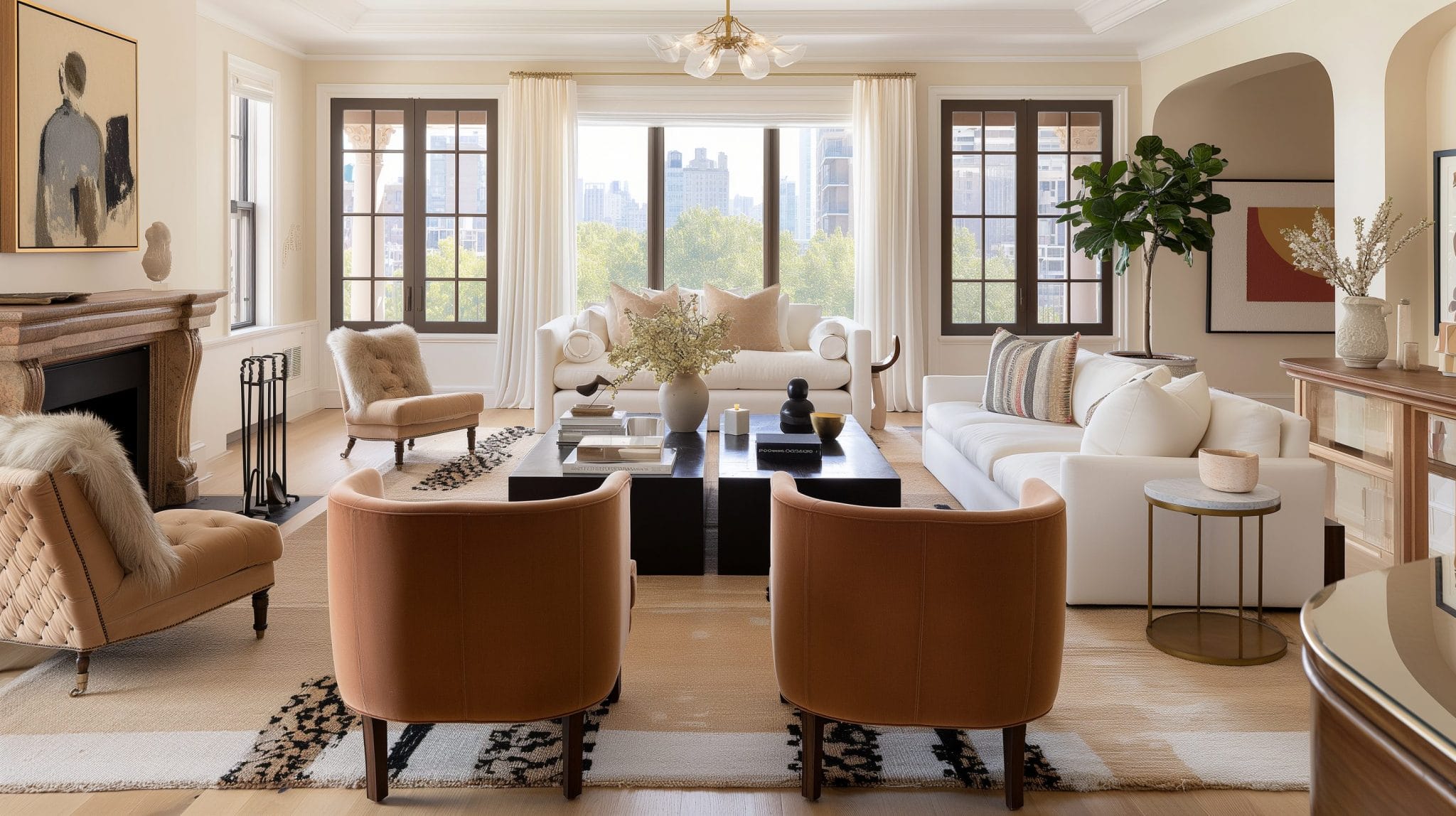
Ever walked into a beautifully decorated room and felt an instant sense of peace, inspiration, or sheer joy? That’s the magic of home decorating. It’s more than just arranging furniture; it’s about creating a personal sanctuary, a reflection of your personality, and a space that nurtures your well-being. Whether you’re looking to refresh a single room or embark on a complete home makeover, this comprehensive guide will equip you with the knowledge and inspiration to transform your living space into a haven you’ll never want to leave. Prepare to be amazed by the possibilities!
Why Home Decorating Matters: Beyond Aesthetics
While a visually appealing home is undoubtedly satisfying, the impact of thoughtful interior design goes far deeper. A well-decorated space can:
- Enhance Mood and Well-being: Colors, textures, and lighting play a crucial role in our emotional state. A calming color palette can reduce stress, while vibrant accents can boost energy. Natural light, strategically utilized, can improve mood and productivity.
- Improve Functionality: Decorating isn’t just about looks; it’s about making your home work for you. Smart storage solutions, ergonomic furniture arrangements, and thoughtful layouts can make everyday living more efficient and enjoyable.
- Boost Productivity and Focus: For those who work from home or have creative pursuits, a dedicated and inspiring workspace can significantly enhance focus and output.
- Create a Sense of Belonging and Comfort: Your home should be your refuge. Decorating allows you to infuse your personality and create a space that feels uniquely yours, fostering a sense of security and belonging.
- Increase Property Value: A well-maintained and attractively decorated home is more appealing to potential buyers, potentially leading to a higher resale value.
The Foundation: Understanding Your Style and Needs
Before you dive headfirst into buying furniture and paint samples, it’s crucial to lay a solid foundation. This involves introspection and a clear understanding of your personal style and practical needs.
1. Define Your Style:
This is arguably the most exciting part! What aesthetic speaks to you? Don’t be afraid to explore and mix elements. Here are some popular decorating styles to get your creative juices flowing:
- Modern: Clean lines, minimalist aesthetic, neutral color palettes with pops of bold color, and a focus on form and function. Think sleek furniture and geometric patterns.
- Minimalist: "Less is more" is the mantra. Decluttered spaces, neutral tones, and essential furniture pieces. The focus is on simplicity and intentionality.
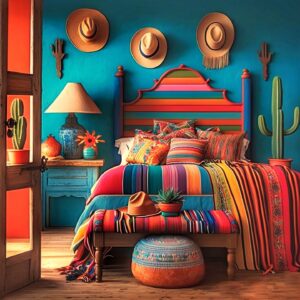
- Bohemian (Boho): Eclectic, free-spirited, and layered. Think rich colors, natural textures, vintage finds, plants, and a relaxed, lived-in feel.
- Scandinavian: Hygge (coziness) is key. Light wood tones, neutral colors, functional furniture, and a focus on natural light and comfort.
- Industrial: Exposed brick, metal accents, raw wood, and utilitarian furniture. Often inspired by warehouses and factories.
- Farmhouse: Rustic charm with a modern twist. Shiplap, distressed wood, vintage accents, and a cozy, inviting atmosphere.
- Traditional: Classic, elegant, and timeless. Rich wood tones, ornate details, comfortable upholstery, and a symmetrical layout.
- Coastal: Inspired by the sea. Light blues, whites, sandy tones, natural materials like rattan and driftwood, and a relaxed, airy feel.
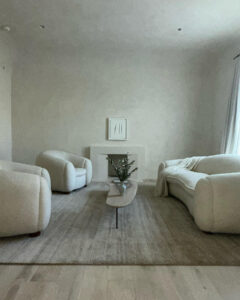
:max_bytes(150000):strip_icc():format(webp)/LivingRoom1A-b14d74a70075462299e126d9f24b6d42.jpg "The Ultimate Guide to Home Decorating: Transform Your Space into a Sanctuary (You Won't Believe the Results!)")
Pro Tip: Create a mood board! Pinterest, Instagram, or even a physical scrapbook are excellent tools to collect images of rooms, furniture, colors, and textures that resonate with you. This visual collection will help you identify recurring themes and a cohesive aesthetic.
2. Assess Your Needs and Lifestyle:
- Who lives in the home? Consider the needs of children, pets, elderly family members, or guests.
- What are your daily routines? Do you entertain often? Do you need a dedicated home office? Is maximizing natural light important?
- What is your budget? Be realistic about what you can spend. Prioritize key pieces and plan for gradual updates if necessary.
- What is the existing architecture and layout of your home? Work with the space you have, not against it.
The Building Blocks: Key Elements of Home Decorating
Once you have a clear vision, it’s time to focus on the fundamental elements that bring a space to life.
1. Color Palette: The Mood Maker
Color is perhaps the most powerful tool in your decorating arsenal. It can dramatically influence the mood and perception of a space.
- Understanding Color Theory:
- Warm Colors (Reds, Oranges, Yellows): Evoke feelings of warmth, energy, and excitement. Can make a large room feel cozier.
- Cool Colors (Blues, Greens, Purples): Create a sense of calm, serenity, and sophistication. Can make a small room feel larger.
- Neutrals (Whites, Grays, Beiges, Blacks): Provide a versatile backdrop and can be used to create a sophisticated and timeless look. They are also excellent for highlighting accent colors.
- Choosing Your Palette:
- The 60-30-10 Rule: A popular guideline for balancing colors. 60% of the room should be a dominant color, 30% a secondary color, and 10% an accent color.
- Consider the Natural Light: Rooms with abundant natural light can handle darker or more intense colors. Rooms with less light might benefit from lighter, brighter hues.
- Think About the Function of the Room: A bedroom might benefit from calming blues or greens, while a living room could embrace warmer, more inviting tones.
2. Furniture: The Backbone of Your Space
Furniture is not just functional; it’s a major design element.
- Scale and Proportion: Ensure your furniture fits the size of the room. Oversized furniture can make a small room feel cramped, while too little furniture can make a large room feel empty.
- Layout: Arrange furniture to create functional zones and encourage conversation. Consider traffic flow and how you’ll move around the room.
- Comfort and Functionality: Choose pieces that are comfortable and meet your needs. Don’t sacrifice practicality for pure aesthetics.
- Mixing and Matching: Don’t be afraid to mix different styles and materials of furniture to create a unique and dynamic look.
- Focal Point: Designate a focal point in each room, such as a fireplace, a striking piece of art, or a beautiful window. Arrange furniture around this point.
3. Lighting: The Illuminating Touch
Lighting is often overlooked but is crucial for setting the mood and functionality of a space.
- Layered Lighting: The best approach is to use a combination of different light sources:
- Ambient Lighting: General overhead lighting (e.g., ceiling fixtures, recessed lighting) that illuminates the entire room.
- Task Lighting: Focused lighting for specific activities (e.g., reading lamps, under-cabinet lighting in kitchens).
- Accent Lighting: Highlights specific features or artwork (e.g., spotlighting, picture lights).
- Dimmers: Install dimmers to control the intensity of light and create different moods.
- Natural Light: Maximize natural light by keeping windows unobstructed and using sheer curtains.
4. Textiles and Textures: Adding Depth and Warmth
Textiles and textures add visual interest, comfort, and warmth to a room.
- Rugs: Anchor furniture, define zones, and add color and pattern.
- Curtains and Blinds: Control light, add privacy, and contribute to the overall aesthetic.
- Throw Pillows and Blankets: Instantly add color, texture, and coziness to sofas and chairs.
- Upholstery: The fabric on your furniture plays a significant role in the room’s feel. Consider durability, texture, and color.
- Mixing Textures: Combine different textures like soft velvet, rough linen, smooth leather, and woven natural materials for a rich and layered look.
5. Accessories and Art: The Personal Touch
These are the finishing touches that truly make a house a home.
- Artwork: Choose pieces that you love and that reflect your personality. Consider the size and scale of the artwork relative to the wall space.
- Plants: Bring life, color, and a sense of nature into your home. They also help purify the air.
- Decorative Objects: Vases, sculptures, candles, and photographs can add personality and tell a story.
- Mirrors: Reflect light, make a room appear larger, and add a decorative element.
- Personal Items: Display cherished photographs, souvenirs, and heirlooms to create a sense of history and belonging.
The Process: Decorating Room by Room
It’s often best to tackle decorating one room at a time to avoid feeling overwhelmed.
1. The Living Room: The Heart of the Home
This is where you entertain, relax, and spend time with loved ones.
- Focal Point: Decide on a focal point – a fireplace, a TV wall, or a large window.
- Seating Arrangement: Create comfortable and conversational seating.
- Layered Lighting: Essential for creating different moods.
- Personal Touches: Add artwork, photos, and decorative items that reflect your personality.
2. The Bedroom: Your Personal Oasis
This is your sanctuary for rest and rejuvenation.
- Calming Color Palette: Opt for soothing colors like blues, greens, or soft neutrals.
- Comfortable Bedding: Invest in quality bedding that feels luxurious.
- Blackout Curtains: Crucial for a good night’s sleep.
- Ample Storage: Keep clutter at bay with stylish storage solutions.
3. The Kitchen: The Culinary Hub
A functional and beautiful kitchen makes cooking a pleasure.
- Smart Storage: Maximize cabinet and counter space.
- Durable Materials: Choose materials that are easy to clean and maintain.
- Good Lighting: Essential for food preparation.
- Personalized Touches: Add decorative elements like canisters, artwork, or a herb garden.
4. The Dining Room: For Shared Meals and Memories
- Dining Table and Chairs: Choose a set that fits the size of your space and your entertaining needs.
- Atmospheric Lighting: A chandelier or pendant light over the table can create a warm and inviting ambiance.
- Artwork and Decor: Add personal touches that enhance the dining experience.
5. The Bathroom: A Spa-Like Retreat
- Functional Storage: Keep toiletries organized and out of sight.
- Inviting Textures: Soft towels, bath mats, and perhaps a plant can enhance the spa-like feel.
- Good Lighting: Essential for grooming.
Budget-Friendly Decorating Tips That Will Amaze You!
You don’t need a massive budget to create a stunning home.
- DIY Projects: Paint old furniture, create your own artwork, or build simple shelves.
- Thrift Stores and Flea Markets: Discover unique vintage pieces at bargain prices.
- Rearrange Existing Furniture: Sometimes a simple change in layout can breathe new life into a room.
- Focus on Accessories: A few well-chosen accessories can make a big impact.
- Shop Sales: Keep an eye out for seasonal sales and discounts.
- Declutter and Organize: A clean and organized space already looks and feels better.
The Final Flourish: Making it Uniquely Yours
Home decorating is an ongoing journey, not a destination. The most important aspect is to create a space that you love and that makes you feel happy and comfortable. Don’t be afraid to experiment, break the rules, and let your personality shine through.
Ready to Transform Your Home?
By understanding your style, focusing on the key elements, and approaching the process room by room, you can transform your living space into a sanctuary that not only looks incredible but also enhances your everyday life. So, grab your mood board, unleash your creativity, and prepare to be amazed by the incredible results you can achieve. Your dream home awaits!


Leave a Comment
You must be logged in to post a comment.