
In today’s fast-paced world, our homes are our sanctuaries, our havens of peace and security. But what if I told you that your sanctuary might be more vulnerable than you think? What if a simple, yet incredibly effective, technological advancement could transform your home from a potential target into an impenetrable fortress, all while making your life easier? We’re talking about the revolution in home security: Smart Home Alarms.
Forget the clunky, noisy systems of the past that required complex installation and constant fiddling. The era of the "dumb" alarm is over. Today, your home’s security can be as intelligent, intuitive, and connected as your smartphone. These aren’t just alarms; they are sophisticated guardians, leveraging cutting-edge technology to provide unparalleled peace of mind. But what exactly makes them "smart," and why should you consider making the upgrade? Let’s dive deep and uncover the secrets that could be the difference between a secure home and a devastating break-in.
The Evolution of Home Security: From Sirens to Sentinels
For decades, home security meant a siren, a few contact sensors on doors and windows, and a keypad. While functional, these systems were reactive. They alerted you (and potentially your neighbors) after an intrusion had already occurred. The damage was done, the violation had happened.
Smart home alarms represent a paradigm shift. They are proactive, intelligent, and deeply integrated into the fabric of our connected lives. Instead of simply sounding an alarm, they offer a multi-layered defense system that can detect threats, notify you instantly, and even deter intruders before they even get close.
What Makes a Home Alarm "Smart"? The Core Technologies
The "smart" in smart home alarms isn’t just a marketing buzzword. It refers to a suite of interconnected technologies that work in harmony to provide advanced security features:
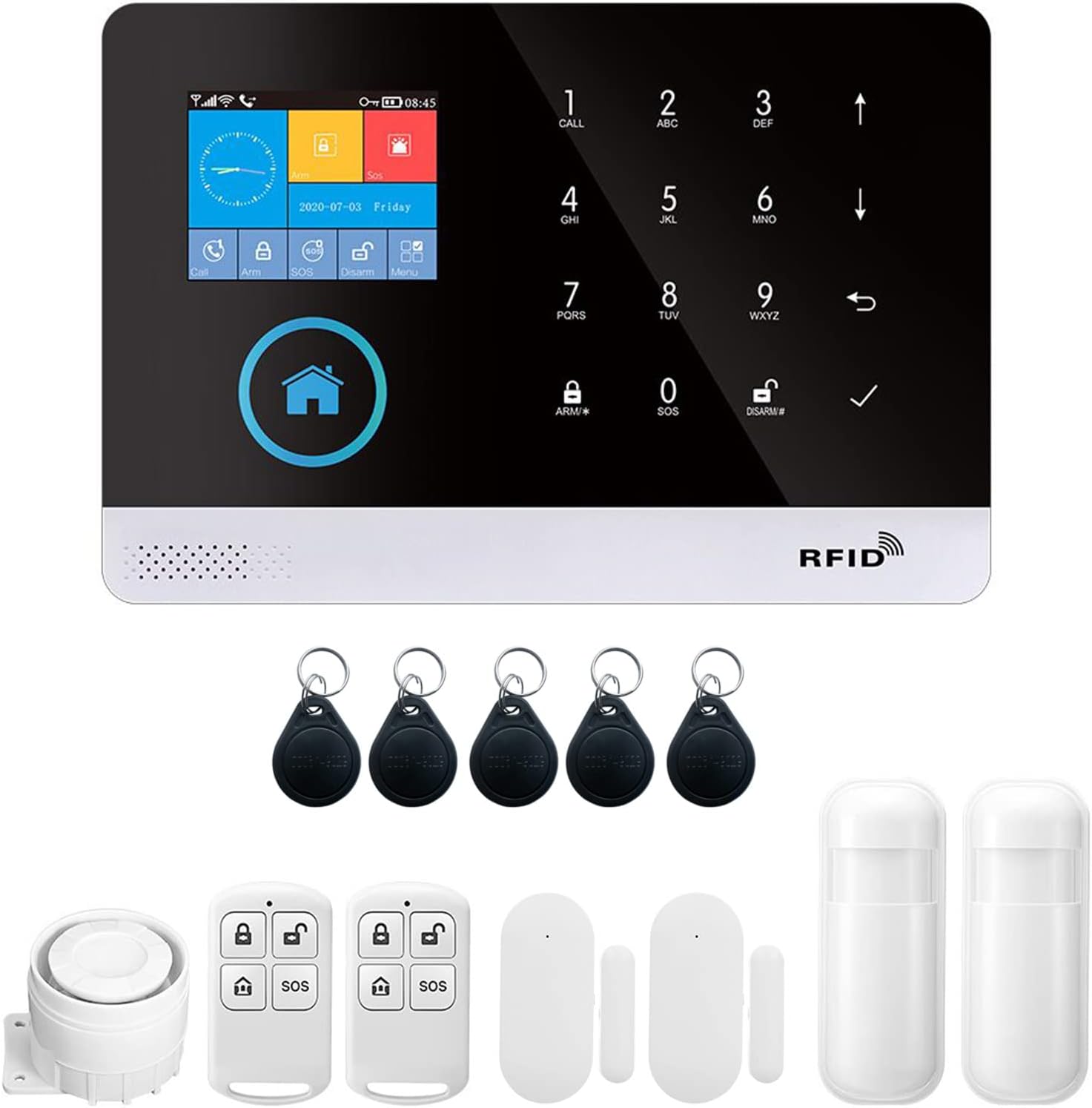
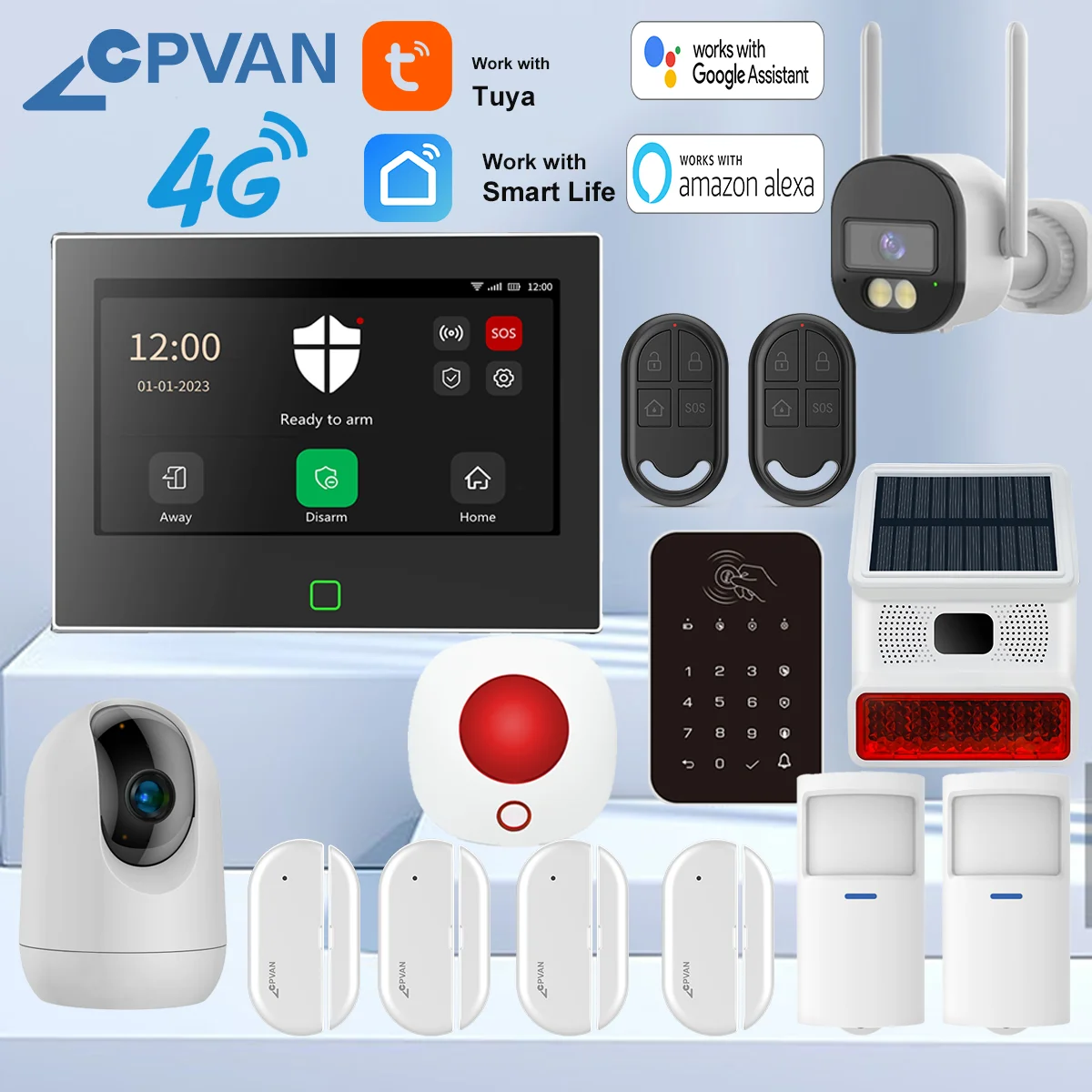
- Connectivity (Wi-Fi, Cellular, Bluetooth): This is the backbone of any smart alarm system. It allows the system to communicate with your smartphone, the internet, and sometimes even cellular networks for backup. This connectivity enables remote monitoring, instant notifications, and seamless integration with other smart devices.
- Sensors Galore: Smart systems go far beyond simple door and window contacts. They incorporate a variety of intelligent sensors:
- Motion Detectors: These use infrared technology to sense body heat and movement, differentiating between pets and potential intruders (with adjustable sensitivity).
- Glass Break Sensors: Advanced acoustic sensors can detect the specific sound frequency of breaking glass, triggering an alert before anyone even enters.
- Environmental Sensors: Many smart systems include smoke, carbon monoxide, and water leak detectors, providing a comprehensive safety net for your home.
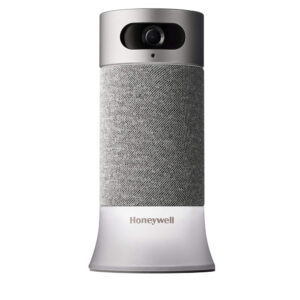
- Smart Cameras: Integrated or standalone smart cameras offer live video feeds, motion-activated recording, and even two-way audio, allowing you to see and speak to visitors (or unwelcome guests).
- Mobile App Control: This is arguably the most significant advantage. A dedicated mobile app puts complete control of your alarm system at your fingertips. Arm/disarm the system, check sensor status, view live camera feeds, receive real-time alerts, and even manage user access – all from your smartphone, anywhere in the world.
- Artificial Intelligence (AI) and Machine Learning: Newer systems are incorporating AI to learn your home’s patterns, reduce false alarms, and even identify anomalies that might indicate a threat. For example, some systems can distinguish between a pet running through the house and a person entering through a window.
- Integration with Other Smart Home Devices: This is where the magic truly happens. Smart alarms can be integrated with smart locks, smart lights, smart thermostats, and voice assistants like Alexa and Google Assistant. Imagine your lights turning on automatically if an intruder is detected, or your smart lock disengaging if a trusted visitor arrives.
Beyond the Siren: The Unseen Advantages of Smart Home Alarms
The benefits of a smart home alarm extend far beyond simply deterring burglars. They offer a level of convenience, control, and peace of mind that traditional systems simply cannot match:
- Proactive Threat Detection: This is the game-changer. Smart alarms can detect a potential break-in before it fully materializes. Motion sensors in the yard, smart cameras monitoring entry points, and even the subtle hum of a door being forced open can trigger alerts and deterrents.
- Instant, Real-Time Notifications: No more waiting for a loud siren to grab your attention. You’ll receive immediate alerts on your smartphone, complete with details about the triggered sensor. This allows you to react swiftly, whether it’s calling the police, checking your cameras, or simply reassuring yourself that it was just the cat.
- Remote Access and Control: Leaving home for vacation? Forgot to arm the alarm? No problem. With a smart alarm, you can arm or disarm your system, check the status of all sensors, and even remotely view live camera feeds from anywhere with an internet connection. This unparalleled control offers immense convenience and peace of mind.
- Deterrence Through Technology: Modern smart alarms can actively deter intruders. Motion-activated lights, visible cameras, and even two-way audio features that allow you to speak directly to a potential intruder can make your home a less appealing target. The mere presence of a visible smart camera can be a powerful deterrent.
- Reduced False Alarms: One of the biggest frustrations with older alarm systems was the prevalence of false alarms, often caused by pets, strong winds, or user error. Smart systems, with their advanced sensors and AI capabilities, are far better at distinguishing between genuine threats and everyday occurrences, saving you the embarrassment and potential fines associated with false alarms.
- Comprehensive Home Monitoring: Many smart systems go beyond intrusion detection. They can monitor for smoke, carbon monoxide, and even water leaks, providing a holistic approach to home safety and protecting you from a wider range of potential disasters.
- Seamless Smart Home Integration: The true power of a smart alarm is unlocked when it’s part of a larger smart home ecosystem. Imagine your alarm disarming automatically when you unlock your smart lock with your fingerprint, or your lights flashing a specific pattern to alert you to a detected threat. This interconnectedness creates a more automated and secure living environment.
- Easy Installation and Scalability: Many smart alarm systems are designed for DIY installation, saving you the cost and hassle of professional setup. Furthermore, they are highly scalable. You can start with a basic kit and easily add more sensors, cameras, and devices as your needs and budget allow.
- User-Friendly Interface: The mobile apps that control smart alarms are typically designed with user-friendliness in mind. They offer intuitive navigation, clear status indicators, and easy-to-understand settings, making them accessible to users of all technical abilities.
- Potential for Insurance Discounts: Some insurance providers offer discounts on home insurance premiums for homes equipped with professionally monitored smart alarm systems. This can make the investment even more attractive.
Choosing the Right Smart Home Alarm: Key Considerations
With the growing popularity of smart home alarms, the market is flooded with options. To make an informed decision, consider these crucial factors:
- System Type: Will you opt for a DIY system, a professionally installed and monitored system, or a hybrid approach?
- Connectivity Options: Does the system rely solely on Wi-Fi, or does it have cellular backup for added security?
- Sensor Types and Coverage: What types of sensors do you need? Consider motion detectors, door/window sensors, glass break sensors, and environmental sensors. Ensure the system offers adequate coverage for your home’s layout.
- Camera Features: If cameras are important, look for features like high-resolution video, night vision, two-way audio, and cloud storage options.
- Mobile App Functionality: Test drive the app (if possible) or read reviews to ensure it’s intuitive, reliable, and offers the features you need.
- Integration Capabilities: Does the system integrate with other smart home devices you already own or plan to purchase?
- Monitoring Services: Will you self-monitor, or do you prefer professional monitoring with a central station that can dispatch emergency services?
- Subscription Costs: Many smart alarm systems have ongoing subscription fees for cloud storage, cellular backup, and professional monitoring. Understand these costs before committing.
- Brand Reputation and Reviews: Research reputable brands and read customer reviews to gauge reliability and customer support.
- Scalability: Can you easily expand the system later by adding more sensors or devices?
The Future of Home Security is Here, and It’s Smarter Than Ever
The days of outdated, reactive home security are rapidly fading. Smart home alarms are no longer a luxury; they are becoming an essential component of modern home living. They offer a proactive, intelligent, and convenient way to protect your most valuable asset – your home and your loved ones.
By embracing the power of connectivity, advanced sensors, and intelligent software, you can transform your home into a secure, responsive, and truly smart sanctuary. Don’t wait for the unthinkable to happen. Invest in a smart home alarm today and experience the unparalleled peace of mind that comes with knowing your home is protected by the most advanced technology available. Your home isn’t just a building; it’s your life. Keep it safe, keep it smart.


Leave a Comment
You must be logged in to post a comment.