
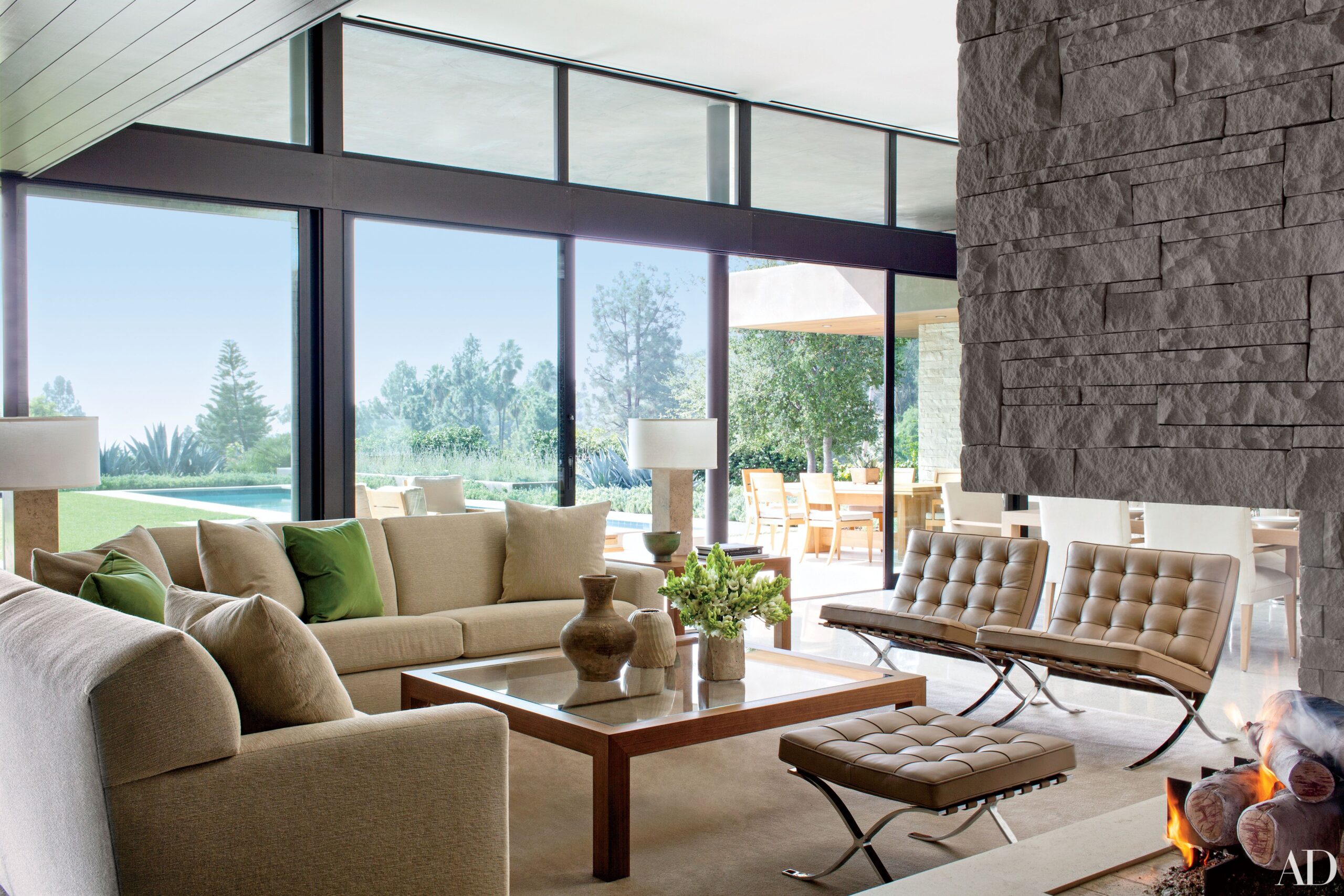
Ever scrolled through Pinterest or flipped through home decor magazines, feeling a pang of envy at those perfectly curated spaces? You know, the ones that whisper "sophistication," "comfort," and "utterly stylish"? The good news is, achieving that dream home isn’t some unattainable fantasy reserved for the elite. It’s a skill, a blend of creativity and thoughtful planning, and it’s within your reach.
Many of us dream of a home that not only looks beautiful but also feels right. A sanctuary that reflects our personality, fosters relaxation, and impresses guests. But where do you even begin? The sheer volume of choices – paint colors, furniture styles, lighting options, decorative accents – can be overwhelming. That’s where the magic of home design and decorating truly shines. It’s about transforming a blank canvas into a living, breathing extension of yourself.
This article will dive deep into the world of home design and decorating, revealing seven powerful secrets that interior designers use to create spaces that are both aesthetically stunning and highly functional. Get ready to ditch the guesswork and embrace a more strategic, impactful approach to your own home. And trust us, the insight you’ll gain, especially from secret number four, will fundamentally change how you view your living space.
The Foundation: Understanding Your Vision
Before we even touch a paintbrush or choose a cushion, the most crucial step in any successful home design project is understanding your vision. This isn’t just about picking a color you "like." It’s about delving deeper into what you want your home to do for you and how you want it to make you feel.
1. Define Your Lifestyle and Needs:
Are you a busy professional who needs a serene escape after a long day? A family with young children who require durable, multi-functional spaces? An avid entertainer who loves to host gatherings? Your lifestyle dictates the practicality and flow of your home. Consider:
- How do you use each room? Be brutally honest. Does that formal dining room actually get used, or could it be a more functional home office or cozy reading nook?
- What are your daily routines? Where do you need storage? Where do you need more light? Where do you spend most of your time?
- What are your long-term goals? Are you planning to start a family, or is it just you and your partner? This can influence furniture choices and layout.
2. Identify Your Aesthetic Preferences:
This is where the fun begins! Explore different styles and identify what resonates with you. Don’t be afraid to mix and match elements you love.
- Mood Boards are Your Best Friend: Create a physical or digital mood board. Pin images from magazines, websites, or social media that capture your eye. Look for recurring themes in color palettes, textures, furniture shapes, and overall "feeling."
- Keywords are Key: Try to articulate your aesthetic with keywords. Do you lean towards "minimalist," "bohemian," "modern farmhouse," "mid-century modern," "coastal," "industrial," or a unique blend?
- Consider Your Existing Pieces: What furniture or art do you already own and love? Can these be incorporated into your new design, or do they need to be replaced?
The Seven Secrets of Interior Design Superstars
Now that you have a solid understanding of your vision, let’s unlock the secrets that elevate a good design to a great one.
Secret #1: The Power of a Cohesive Color Palette (It’s Not Just About Pretty Colors!)
Color is one of the most potent tools in interior design. It sets the mood, influences perception of space, and ties everything together. Many DIYers make the mistake of choosing colors impulsively or using too many colors in one space, leading to a chaotic feel.
- The 60-30-10 Rule: This classic rule provides a simple framework for balancing colors.
- 60% Dominant Color: This is your main wall color, often a neutral or a softer shade that creates a calming backdrop.
- 30% Secondary Color: This color is used for larger furniture pieces, accent walls, or curtains, adding depth and interest.
- 10% Accent Color: This is your pop of color, used for accessories like throw pillows, artwork, or decorative objects, adding personality and vibrancy.
- Understand Color Psychology: Different colors evoke different emotions. Blues and greens promote calmness, yellows bring warmth and cheer, reds can be energizing or romantic, and neutrals provide a sophisticated and versatile base.
- Don’t Forget Neutrals: Neutrals (whites, grays, beiges, creams, blacks) are the unsung heroes. They provide a foundation, allow other colors to shine, and create a sense of timeless elegance. They also make it easier to update your decor in the future.
- Test, Test, Test! Always paint large swatches on your walls and observe them in different lights throughout the day. What looks good in the store might appear differently in your home.
Secret #2: Mastering the Art of Scale and Proportion (This is Where Magic Happens!)
This is where many amateur designers stumble. They might fall in love with a giant sectional for a tiny living room, or a minuscule rug for a vast open-plan space. The result? A room that feels cramped, awkward, or unbalanced.
- Understand Room Dimensions: Before buying any furniture, measure your room meticulously. Note down the length, width, and height.
- Furniture Placement is Key: Don’t push all your furniture against the walls. Create conversation areas by arranging seating pieces facing each other. Ensure there’s enough space to walk around comfortably. A general guideline is to leave at least 2-3 feet for main walkways.
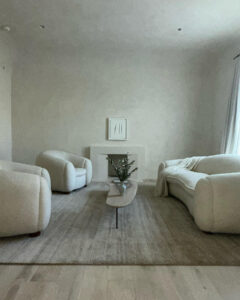
- The Rug Rule: Your rug should anchor your furniture. Ideally, the front legs of your sofa and accent chairs should rest on the rug. In larger rooms, the rug can encompass all seating. A rug that’s too small can make a room feel unfinished and smaller than it is.
- Visual Weight: Consider the "visual weight" of your furniture. A dark, bulky sofa will feel heavier than a light-colored, streamlined one. Balance these elements within the room.
- Vertical Space Matters: Don’t neglect the walls. Artwork, tall bookcases, and strategically placed lighting can draw the eye upwards, making a room feel larger and more dynamic.
Secret #3: The Magic of Layering Textures (Your Home Will Thank You!)
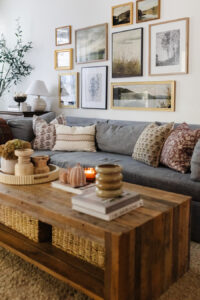
A room that is all smooth surfaces and one texture can feel flat and uninviting. Layering textures adds depth, warmth, and visual interest, making a space feel lived-in and luxurious.
- Mix Materials: Combine hard and soft, smooth and rough. Think about:
- Soft: Plush rugs, velvet cushions, knitted throws, linen curtains.
- Hard: Wooden furniture, metal accents, stone tabletops, ceramic vases.
- Natural: Wicker baskets, jute rugs, rattan furniture, plants.
- Vary Finishes: Consider different finishes like matte, glossy, brushed, distressed, and natural.
- Think Beyond the Obvious: Texture isn’t just about fabrics. It’s also in the grain of wood, the weave of a basket, the pattern on wallpaper, or even the sheen of a metallic lamp.
- Balance is Crucial: Don’t go overboard. Aim for a harmonious blend rather than a jumble of conflicting textures.
Secret #4: Lighting is the Unsung Hero (This is the TRUTH They Don’t Want You to Know!)
This is arguably the most overlooked, yet most impactful, element of interior design. Poor lighting can make even the most beautifully furnished room feel dull, unwelcoming, or even depressing. The secret isn’t just one type of light; it’s about creating a lighting hierarchy.
- The Three Layers of Lighting:
- Ambient Lighting (General Lighting): This is the overall illumination of the room, usually provided by ceiling fixtures like chandeliers, flush mounts, or recessed lighting. It provides a base level of light.
- Task Lighting: This is focused light for specific activities. Think reading lamps next to an armchair, under-cabinet lighting in the kitchen, or desk lamps in a home office.
- Accent Lighting: This is used to highlight specific features, such as artwork, architectural details, or plants. Wall sconces, track lighting, or spotlights can achieve this.
- Dimmer Switches are Your Best Friend: Install dimmer switches on as many lights as possible. This allows you to adjust the mood and intensity of the light throughout the day and for different occasions.
- Warmth Matters: Pay attention to the color temperature of your bulbs. Warm white (around 2700K-3000K) is generally more inviting and cozy for living spaces, while cooler white can be better for task-oriented areas like kitchens or offices.
- Consider Natural Light: Maximize natural light by using sheer curtains or keeping windows unobstructed. Place mirrors strategically to reflect light and make the space feel larger.
Secret #5: The Art of "Curated Clutter" (It’s Not About Being Messy!)
The goal of home decorating isn’t to achieve a sterile, museum-like environment. It’s about creating a home that feels personal and lived-in. This is where the concept of "curated clutter" or "decorative styling" comes in.
- Tell a Story: Arrange decorative items in small vignettes. Group items of varying heights and textures together. These vignettes should tell a story about you – your travels, your hobbies, your family.
- The Rule of Three (or Odd Numbers): Grouping items in odd numbers (three or five) is often more visually appealing and dynamic than even numbers.
- Balance and Negative Space: Don’t overcrowd surfaces. Leave some "breathing room" or negative space around your decorative items. This allows each piece to be appreciated.
- Personal Touches are Essential: Incorporate personal items like framed photos, souvenirs from trips, or handmade crafts. These are what make a house a home.
- Functional Decor: Choose decorative items that also serve a purpose, such as stylish storage baskets, decorative trays, or beautiful bowls.
Secret #6: Don’t Underestimate the Power of Greenery (Bring the Outdoors In!)
Plants are not just decorative; they enhance well-being, purify the air, and add a vibrant splash of color and life to any room.
- Choose the Right Plant for the Right Place: Consider the light conditions in your room and your ability to care for the plant. Low-maintenance options like snake plants or ZZ plants are great for beginners.
- Vary Plant Sizes and Types: Mix tall floor plants with smaller tabletop varieties. Different leaf shapes and textures add visual interest.
- Stylish Planters Matter: The pot or planter your plant resides in can be a decorative element in itself. Choose planters that complement your decor style.
- Faux Plants Can Be an Option: If you have a black thumb, high-quality faux plants can still provide the aesthetic benefits without the maintenance.
Secret #7: The Importance of a Focal Point (Guide the Eye!)
Every well-designed room needs a focal point – an element that immediately draws the eye and anchors the space. Without one, a room can feel disjointed.
- Identify or Create a Focal Point: This could be a fireplace, a large piece of artwork, a statement furniture piece (like a unique sofa or a grand piano), a striking window with a view, or even a boldly patterned accent wall.
- Arrange Furniture Around It: Once you have your focal point, arrange your furniture to either face it or complement it.
- Don’t Compete: Avoid having too many competing focal points in one room, as this can create visual confusion.
- Enhance Your Focal Point: Use lighting to highlight your focal point. For example, spotlight a piece of art or place a decorative arrangement in front of the fireplace.
Bringing It All Together
Home design and decorating is a journey, not a destination. It’s about creating a space that evolves with you. By understanding your vision, applying these tried-and-true design secrets, and infusing your personality into every corner, you can transform your house into a haven that you’ll love coming home to.
Remember, the most beautiful homes are not necessarily the most expensive, but those that are thoughtfully designed and filled with intention. So, go forth, experiment, and unlock the potential of your dream home. Your perfectly styled sanctuary awaits!


Leave a Comment
You must be logged in to post a comment.