
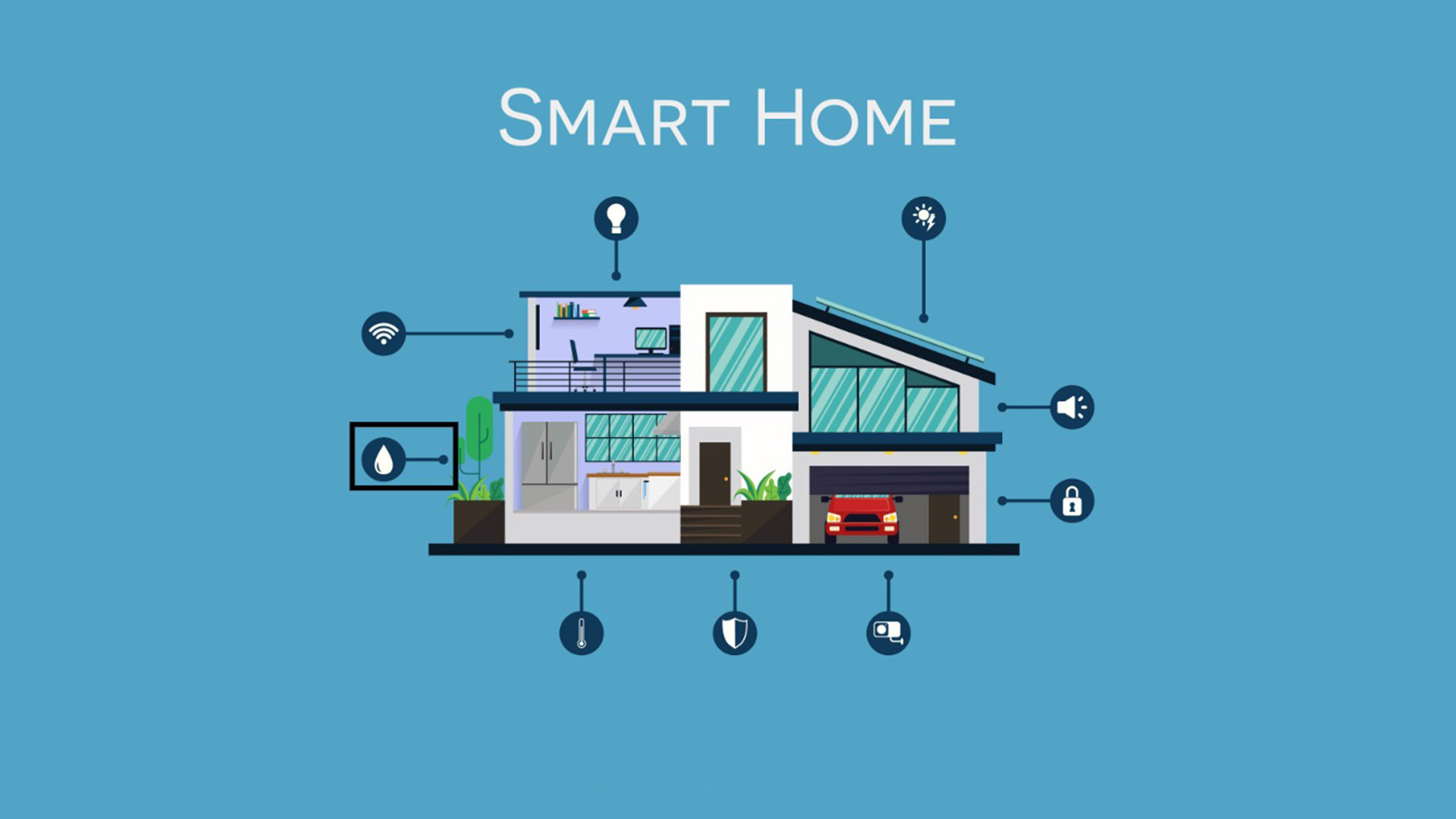
The hum of a perfectly calibrated thermostat, lights that gracefully illuminate your path as you enter a room, and the gentle hum of appliances anticipating your needs – this isn’t science fiction anymore. This is the reality of smart home design, and it’s rapidly transforming the way we live. Forget clunky interfaces and complicated setups; today’s smart homes are about seamless integration, intuitive control, and a level of comfort and convenience that was once confined to our wildest dreams.
But what exactly is smart home design? It’s more than just a few connected gadgets. It’s a holistic approach to creating a living space that is responsive, efficient, secure, and deeply personalized. It’s about leveraging technology to enhance every aspect of your daily life, from waking up in the morning to settling down for the night. And the best part? It’s more accessible and customizable than ever before, catering to a wide range of budgets and technical proficiencies.
The Core Pillars of a Smart Home: Beyond the Gadgets
While smart speakers and voice assistants might be the most visible entry points into the world of smart homes, they are merely the tip of the iceberg. True smart home design rests on several fundamental pillars, each contributing to a more intelligent and harmonious living environment:
-
Connectivity and Control: At its heart, a smart home relies on robust and reliable connectivity. This often involves a central hub or a sophisticated Wi-Fi network that allows various devices to communicate with each other. Control is then centralized, allowing you to manage your home through a single app on your smartphone or tablet, or with simple voice commands. Imagine adjusting the blinds, dimming the lights, and setting the mood for movie night without lifting a finger – that’s the power of unified control.
-
Automation and Intelligence: This is where the "smart" truly comes into play. Automation allows you to pre-program actions based on specific triggers or schedules. For example, your lights can turn on at sunset, your coffee maker can start brewing as your alarm goes off, or your sprinklers can activate when the soil moisture drops below a certain level. Beyond simple automation, intelligent systems learn your habits and preferences, proactively adjusting settings to optimize comfort and energy efficiency. This predictive capability is what elevates a connected home to a truly smart one.
-
Security and Peace of Mind: Smart home technology has revolutionized home security. From smart locks that allow you to grant temporary access to visitors remotely, to intelligent cameras that send real-time alerts of any unusual activity, you can enjoy unparalleled peace of mind. Motion sensors, smart doorbells with integrated cameras, and even smoke detectors that alert your phone are all part of a comprehensive smart security ecosystem. This proactive approach to security not only deters potential intruders but also provides immediate notification in case of emergencies.
-
Energy Efficiency and Sustainability: In an era of rising energy costs and environmental consciousness, smart home design offers significant benefits. Smart thermostats learn your occupancy patterns and adjust heating and cooling accordingly, drastically reducing energy waste. Smart lighting systems can be programmed to turn off automatically when rooms are empty, and smart plugs can monitor and control the energy consumption of individual appliances. Over time, these efficiencies translate into substantial savings on your utility bills and a reduced environmental footprint.
-
Comfort and Convenience: This is perhaps the most immediate and tangible benefit of a smart home. Imagine walking into a perfectly lit and temperature-controlled home after a long day. Or being able to remotely pre-heat your oven for dinner. Smart home technology eliminates mundane tasks and streamlines daily routines, freeing up your time and energy for what truly matters. It’s about creating a living space that adapts to your lifestyle, not the other way around.
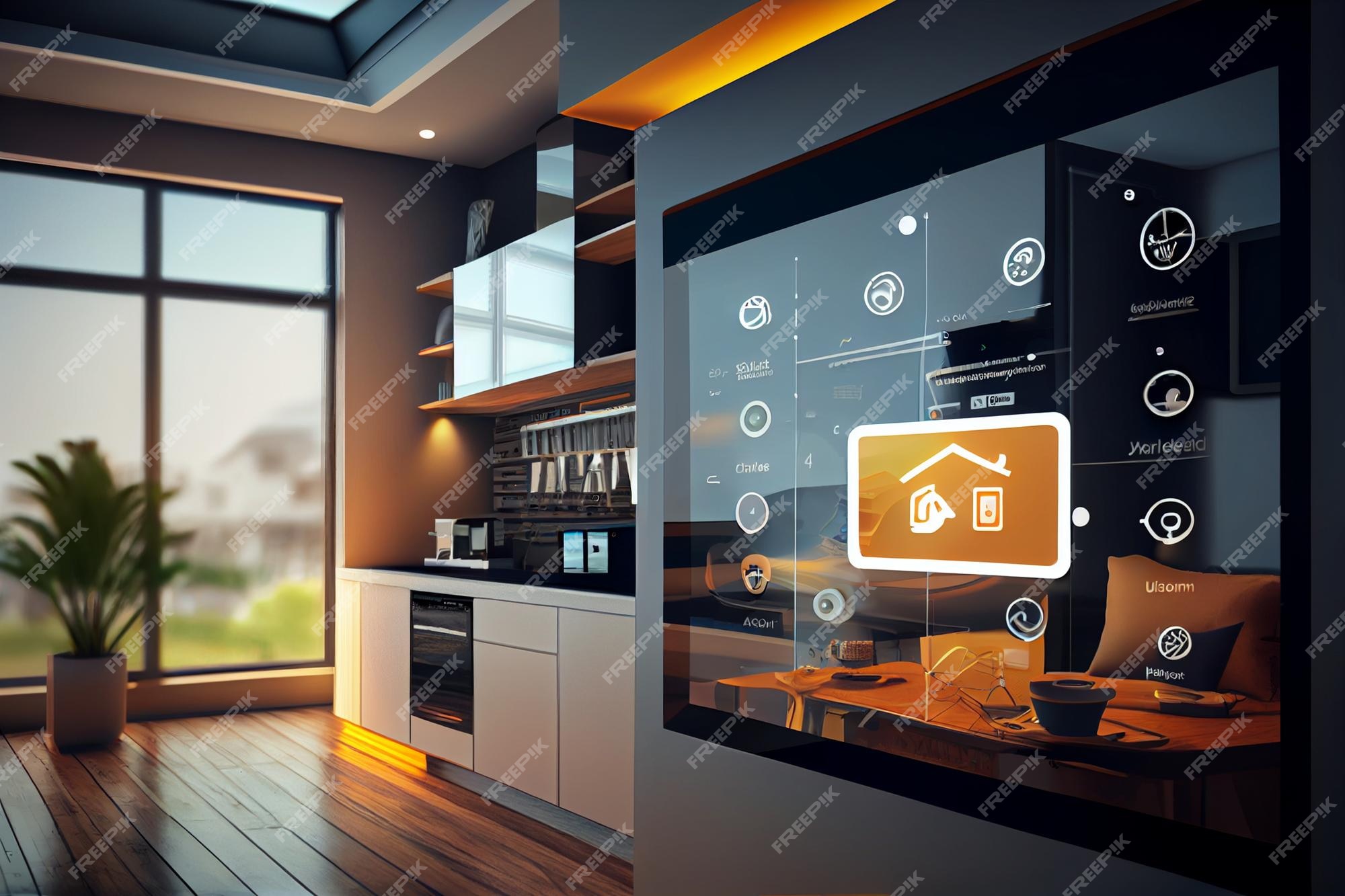
Designing Your Smart Oasis: From Simple Steps to Grand Visions
Embarking on your smart home design journey doesn’t require a complete overhaul or a massive budget. You can start small and gradually expand your system as your needs and understanding grow. Here’s a breakdown of how to approach designing your smart oasis:
1. Define Your Needs and Priorities:
Before diving into specific gadgets, ask yourself:
- What are the biggest pain points in my current home? (e.g., forgetting to turn off lights, security concerns, high energy bills)
- What aspects of my daily life do I want to simplify?
- What is my budget?
- What level of technical expertise do I have?
Answering these questions will help you focus on the smart home features that will provide the most value for you.
2. Choose Your Foundation: Connectivity and Control
- Wi-Fi Network: A strong and reliable Wi-Fi network is paramount. Consider upgrading your router if you experience dead zones or slow speeds. Mesh Wi-Fi systems are excellent for larger homes.
- Smart Hubs: While many devices can connect directly to Wi-Fi, a smart hub acts as a central brain, facilitating communication between different brands and protocols (like Zigbee and Z-Wave). Popular options include Samsung SmartThings, Amazon Echo Plus (with built-in hub), and Apple HomePod.
- Voice Assistants: Amazon Alexa, Google Assistant, and Apple’s Siri are the go-to interfaces for many smart homes. Choose the one that best integrates with your existing devices and ecosystem.
3. Smart Lighting: Setting the Mood and Saving Energy
- Smart Bulbs: Replace your existing bulbs with smart bulbs that can be controlled via an app or voice. You can adjust brightness, color temperature, and even choose from millions of colors to create different ambiances.
- Smart Switches and Dimmers: For a more permanent solution, smart switches and dimmers can control your existing light fixtures and offer scheduling and remote control.
- Motion and Occupancy Sensors: Integrate these with your lighting to automatically turn lights on when you enter a room and off when you leave, maximizing energy savings.
4. Smart Climate Control: Comfort and Efficiency Combined
- Smart Thermostats: These learn your schedule and preferences, automatically adjusting the temperature to save energy when you’re away and ensuring comfort when you’re home. Many offer remote control via smartphone.
- Smart Vents: These can be used to control airflow to specific rooms, further optimizing temperature and energy usage.
- Smart Blinds and Shades: Automate your window coverings to open and close based on the sun’s position, time of day, or your preferences, helping to regulate indoor temperature and natural light.
5. Smart Security: Protecting What Matters Most
- Smart Locks: Grant or revoke access remotely, receive notifications when doors are opened or closed, and eliminate the need for physical keys.
- Smart Doorbells: See and speak to visitors from anywhere, receive motion alerts, and even answer the door remotely.
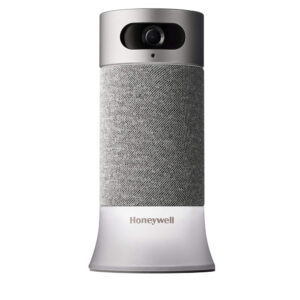
- Security Cameras: Indoor and outdoor cameras with motion detection, night vision, and cloud storage provide constant surveillance and peace of mind.
- Smart Sensors: Door/window sensors, motion sensors, and leak detectors can alert you to potential security breaches or household issues.
6. Smart Entertainment: Immersive and Effortless Experiences
- Smart Speakers and Displays: Beyond voice control, these devices can stream music, display information, and even act as control centers for your smart home.
- Smart TVs and Streaming Devices: Seamless integration with your smart home allows for voice control of your TV, personalized content recommendations, and easy access to streaming services.
- Multi-Room Audio Systems: Enjoy music throughout your home, controlled from a single app or voice command.
7. Smart Appliances: Convenience at Your Fingertips
- Smart Refrigerators: Some models offer inventory management, recipe suggestions, and the ability to check contents remotely.
- Smart Ovens and Microwaves: Preheat your oven remotely, monitor cooking progress, and even download new recipes.
- Smart Washing Machines and Dryers: Receive notifications when cycles are complete, select optimal wash settings remotely, and monitor energy usage.
The Future is Now: Embracing the Evolution of Living
Smart home design is not a fleeting trend; it’s an ongoing evolution that is fundamentally reshaping our relationship with our living spaces. As technology continues to advance, we can expect even more sophisticated integrations, greater personalization, and an even more seamless blend of the digital and physical worlds.
The beauty of smart home design lies in its adaptability. Whether you’re looking to enhance your security, reduce your energy consumption, or simply add a touch of futuristic convenience to your daily life, there’s a smart solution for you. Don’t be intimidated by the perceived complexity. Start with a single smart bulb, a smart thermostat, or a voice assistant. Explore, experiment, and discover how these intelligent innovations can truly unlock the future of your home, making it smarter, safer, and more enjoyable than you ever imagined. The journey into a smarter living experience begins with a single click, a simple voice command, or a conscious decision to embrace the possibilities that lie within your own four walls. Your future home is waiting.


Leave a Comment
You must be logged in to post a comment.