
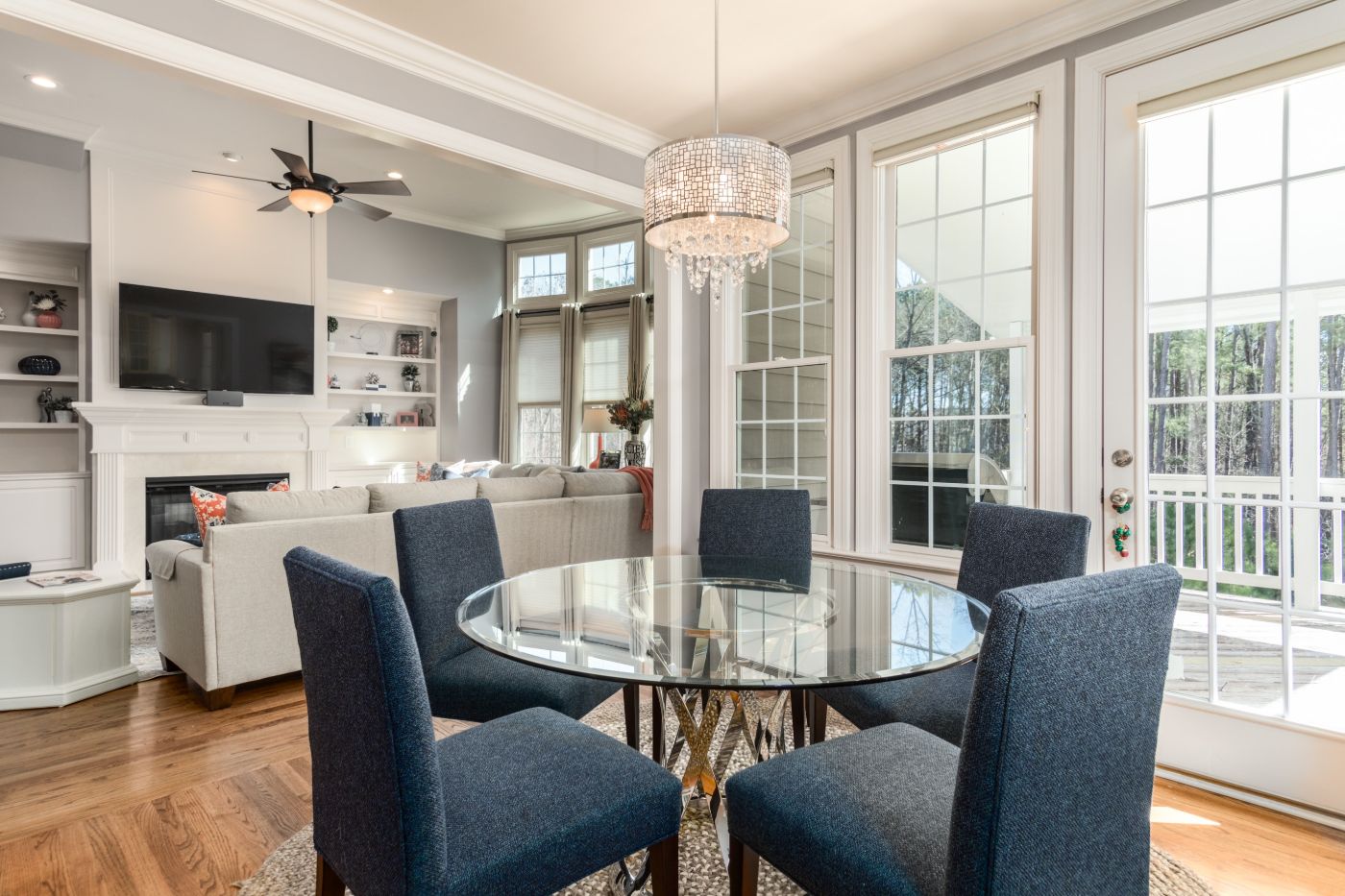
Unlock Your Dream Home: The Ultimate Guide to Decorating Your New Sanctuary (Even on a Budget!)
Moving into a new home is an exhilarating chapter. The fresh paint, the blank canvases of walls, and the promise of a space that truly reflects you – it’s all incredibly exciting. But for many, this excitement can quickly be followed by a wave of overwhelm. Where do you even begin? How do you transform those empty rooms into a comfortable, stylish, and functional sanctuary? Fear not, fellow homemaker! This comprehensive guide is your roadmap to decorating your new home, packed with actionable tips, creative ideas, and budget-friendly strategies to make your dream space a reality. We’ll cover everything from the foundational elements to the finishing touches, ensuring your new abode becomes a place you’ll love for years to come.
Step 1: The Foundation – Planning & Vision
Before you even think about buying a single throw pillow, it’s crucial to lay the groundwork for your decorating journey. This initial planning phase will save you time, money, and potential decorating regrets down the line.
Define Your Style: This is arguably the most important step. What aesthetic truly resonates with you? Are you drawn to the clean lines and neutral palettes of Minimalism? Do you crave the cozy, rustic charm of Farmhouse? Perhaps the vibrant colors and eclectic mix of Bohemian speaks to your soul, or the timeless elegance of Mid-Century Modern captures your heart.
- Inspiration Overload: Dive into the digital ocean of inspiration. Pinterest is your best friend here. Create boards for different rooms and styles. Browse interior design magazines, Instagram accounts, and even home decor blogs. Look for common themes, color palettes, and furniture styles that repeatedly catch your eye.
- Consider Your Lifestyle: Your decorating style should not only be aesthetically pleasing but also practical for your daily life. If you have pets or young children, opting for delicate, white silk upholstery might not be the most sensible choice. Think about how you use each space and what kind of durability and maintenance you require.
- The "Feeling" Factor: Beyond aesthetics, how do you want your home to feel? Do you want it to be a tranquil retreat, a vibrant hub for entertaining, or a cozy haven for family movie nights? Your desired atmosphere will heavily influence your color choices, lighting, and furniture selection.
Budgeting is Key: Let’s be honest, decorating can get expensive. Setting a realistic budget from the outset is paramount.
- Prioritize: What are your must-haves? Is it a comfortable sofa, a statement dining table, or high-quality bedding? Allocate more of your budget to these essential pieces.
- Phased Approach: You don’t need to decorate your entire home overnight. Break down your decorating goals into phases. Start with the most used rooms (living room, bedroom) and gradually work your way through the rest of the house.
- DIY & Secondhand: Embrace the power of DIY projects and the treasures found in thrift stores, antique shops, and online marketplaces. A fresh coat of paint, new hardware, or a bit of reupholstering can transform old pieces into stylish additions.
- Track Your Spending: Keep a spreadsheet or use a budgeting app to track every purchase. This will help you stay within your limits and identify areas where you might be overspending.
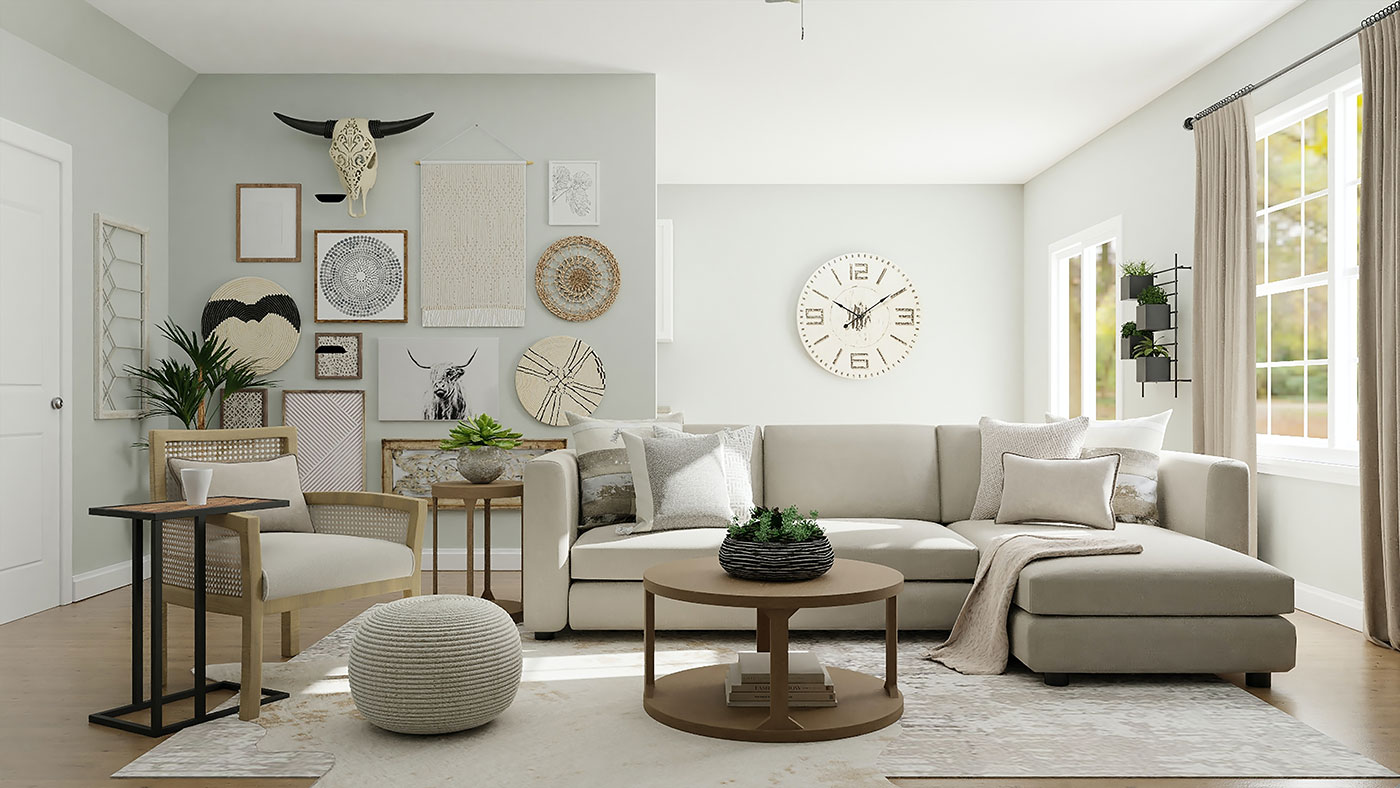
Measure Twice, Buy Once: This old adage is incredibly relevant in decorating.
- Room Layout: Before buying furniture, sketch out your room layouts. Use graph paper or online tools to plan the placement of your major pieces. This will help you visualize the flow of the room and ensure everything fits comfortably without making the space feel cramped.
- Furniture Dimensions: Always measure the dimensions of your furniture and compare them to the available space in your rooms. Don’t forget to consider doorways, hallways, and staircases for delivery!
Step 2: The Palette – Color & Walls
Color is the soul of your home. It sets the mood, defines the space, and can dramatically impact how you feel within it.
Choosing Your Color Scheme:
- The 60-30-10 Rule: A popular decorating guideline suggests using 60% of one dominant color, 30% of a secondary color, and 10% of an accent color. This creates a balanced and harmonious palette.
- Warm vs. Cool: Warm colors (reds, oranges, yellows) tend to create a cozy and inviting atmosphere, while cool colors (blues, greens, purples) evoke a sense of calm and serenity.
- Neutrals as a Base: Neutral colors (whites, grays, beiges, creams) are incredibly versatile and provide a timeless backdrop. They allow your furniture, art, and accessories to take center stage. You can then inject personality with pops of color through accents.
- Test, Test, Test! Paint swatches are your best friend. Paint large swatches of your chosen colors on different walls in your home. Observe how they look in different lighting conditions throughout the day. Natural light can drastically alter the appearance of a color.
Beyond Paint:
- Wallpaper Wonders: Wallpaper can add incredible texture, pattern, and personality to a room. From subtle damask to bold geometric prints, there’s a wallpaper for every style. Consider using it on an accent wall to create a focal point.
- Wall Treatments: Think beyond paint and wallpaper. Consider limewash, Venetian plaster, or even wood paneling for a unique and sophisticated look.
Step 3: The Framework – Furniture & Layout
Furniture is the backbone of your home. It defines the functionality of each space and contributes significantly to its overall aesthetic.
Prioritizing Key Pieces:
- Living Room: The sofa is often the hero piece. Invest in one that is comfortable, durable, and fits the scale of your room. Consider accent chairs, a coffee table, and side tables.
- Dining Room: A dining table and chairs are essential. Think about how many people you typically entertain and choose a size that accommodates your needs.
- Bedroom: The bed is the focal point. Invest in a comfortable mattress and a stylish bed frame. Don’t forget nightstands and a dresser.
Arranging for Flow and Function:
- Traffic Flow: Ensure there are clear pathways for movement within each room. Avoid blocking doorways or creating awkward obstacles.
- Focal Point: Identify a natural focal point in each room (e.g., a fireplace, a large window, a piece of art) and arrange your furniture to draw attention to it.
- Conversation Areas: In living rooms, arrange seating to encourage conversation. Group sofas and chairs around a coffee table.
- Scale and Proportion: Ensure your furniture is appropriately scaled to the size of your room. Oversized furniture can make a small room feel cramped, while too-small pieces can get lost in a large space.
The Power of Multifunctional Furniture: Especially in smaller homes or apartments, consider furniture that serves multiple purposes. A storage ottoman can provide extra seating and a place to stash blankets. A sofa bed is perfect for accommodating overnight guests.
Step 4: The Soul – Decor & Accessories
This is where your personality truly shines! Accessories are the finishing touches that transform a house into a home.
Lighting is Everything: Good lighting can dramatically change the mood and functionality of a room.
- Layer Your Lighting: Combine ambient lighting (overhead fixtures), task lighting (reading lamps, under-cabinet lights), and accent lighting (spotlights on artwork) to create a well-lit and inviting space.
- Dimmers: Install dimmers on your lights to control the intensity and create different moods for various occasions.
- Natural Light: Maximize natural light by using sheer curtains or blinds that can be easily adjusted.
Textiles for Warmth and Texture:
- Rugs: A well-placed rug can anchor a room, define zones, and add warmth and color.
- Curtains and Blinds: These add privacy, control light, and contribute to the overall aesthetic of a room.
- Throw Pillows and Blankets: These are an easy and affordable way to add pops of color, pattern, and coziness to sofas and chairs.
Art and Personal Touches:
- Gallery Walls: Create a personalized gallery wall with a mix of framed photos, prints, and artwork.
- Mirrors: Mirrors can make a space feel larger and brighter by reflecting light.
- Personal Collections: Display items that are meaningful to you – books, ceramics, souvenirs from your travels. These personal touches make your home unique.
- Plants: Greenery brings life and freshness into any space. Choose plants that suit your lighting conditions and care capabilities.
Step 5: The Finishing Touches – It’s All in the Details!
The final details are what elevate your decorating from good to exceptional.
Embrace the Power of Decluttering: Even the most beautifully decorated space can feel chaotic if it’s cluttered. Invest in smart storage solutions like baskets, shelves, and cabinets to keep your belongings organized and out of sight.
The Scent of Home: Don’t underestimate the power of scent. Scented candles, diffusers, or fresh flowers can create a welcoming and inviting atmosphere.
Consider the Small Stuff: Think about the details like hardware on cabinets, doorknobs, and light switch plates. Upgrading these small elements can make a surprising difference.
Don’t Be Afraid to Evolve: Decorating is not a one-time event. Your tastes will evolve, and your needs may change. Don’t be afraid to rearrange, repaint, or swap out accessories as you live in your new home and discover what truly makes it feel like yours.
Your Dream Home Awaits!
Decorating a new home is a journey of self-expression and creation. By following these steps, you can approach the process with confidence, transforming your blank canvas into a beautiful, functional, and deeply personal sanctuary. Remember to have fun, trust your instincts, and enjoy the process of making your new house truly your own. Your dream home is within reach – happy decorating!




Leave a Comment
You must be logged in to post a comment.