
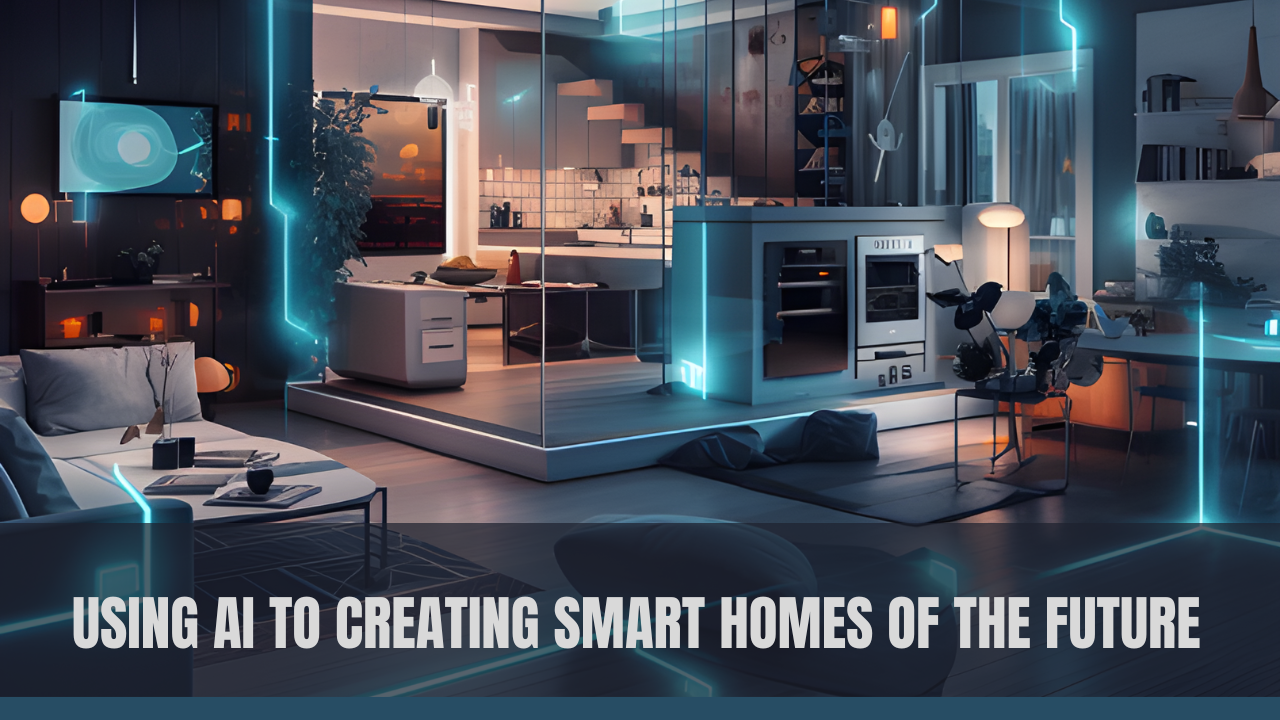
For decades, the idea of a "smart home" conjured images of science fiction – blinking lights, robotic assistants, and a level of automation that felt perpetually out of reach. But the future, it turns out, is no longer a distant horizon. It’s knocking on your front door, not with a robot butler, but with a subtle hum of interconnected devices, a personalized ambient temperature, and a security system that knows you before you even reach for your keys. Smart home technology isn’t just a luxury; it’s a fundamental shift, a quiet revolution that is secretly rewriting the very fabric of our daily lives and promising a future of living that, frankly, you won’t believe is possible.
The journey from a standalone smart speaker to a truly integrated ecosystem has been nothing short of astonishing. What started as isolated conveniences – voice-activated music, remote light control – has blossomed into a sophisticated network of devices that anticipate our needs, enhance our comfort, and streamline our existence in ways we’re only beginning to fully comprehend. This isn’t about gadgets; it’s about a profound transformation in how we interact with our living spaces and, by extension, with our own lives.
One of the most immediate and impactful ways smart home technology is shaping our future is through unprecedented levels of convenience and personalization. Imagine waking up not to a jarring alarm, but to a gentle sunrise simulation, your favorite music softly playing, and your coffee machine already brewing. This isn’t just about setting a schedule; it’s about a home that learns your routines, your preferences, and adapts accordingly. Your thermostat doesn’t just maintain a temperature; it learns your occupancy patterns, optimizing energy usage and ensuring comfort precisely when and where you need it. Lights adjust their intensity and color based on the time of day or your mood, creating an environment that’s not just functional but emotionally resonant.
This personalization extends to every corner of the home. Your refrigerator can suggest recipes based on its contents and alert you when items are nearing their expiration date, slashing food waste and saving you money – a benefit many overlook in the initial excitement of voice control. Smart blinds can automatically adjust to block harsh sunlight, maintaining a comfortable indoor temperature and protecting your furniture from fading. Even mundane tasks like vacuuming can be delegated to autonomous robots that learn the layout of your home, ensuring a consistently clean living space without lifting a finger. The cumulative effect of these small automations is a significant liberation of time and mental energy, allowing us to focus on what truly matters.
Beyond convenience, smart home technology is ushering in a new era of enhanced security and peace of mind. Gone are the days of worrying about whether you locked the doors or if you left the oven on. Smart locks allow you to grant temporary access to guests or service providers remotely, and you can check your door’s status from anywhere in the world. Integrated security cameras provide live feeds and motion alerts, offering a vigilant eye on your property. Smart smoke and carbon monoxide detectors can send instant notifications to your phone and even automatically alert emergency services, potentially saving lives. The interconnectedness of these systems creates a robust safety net, transforming our homes into fortresses of security.
Furthermore, the integration of AI and machine learning within smart home systems is paving the way for proactive and predictive safety measures. Imagine a system that learns the typical patterns of activity in your home. If an anomaly is detected – a window opening when you’re away, or an unusual sound – the system can trigger a series of responses, from sounding an alarm to notifying you and your chosen contacts. This shift from reactive security to proactive prevention is a game-changer, offering a level of protection that was previously the exclusive domain of high-end security firms.
The impact of smart home technology on energy efficiency and sustainability is another profound aspect that is quietly revolutionizing our future. By intelligently managing lighting, heating, and cooling, smart homes can significantly reduce energy consumption. Smart thermostats, for instance, can learn your schedule and adjust temperatures accordingly, avoiding unnecessary energy expenditure when you’re not home. Smart lighting systems can automatically dim or turn off lights in unoccupied rooms. This not only translates to lower utility bills but also contributes to a more sustainable future by reducing our carbon footprint.
Moreover, the ability to monitor and analyze energy usage in real-time provides homeowners with valuable insights into their consumption patterns, empowering them to make more informed decisions about their energy habits. Some advanced systems can even integrate with renewable energy sources like solar panels, optimizing energy generation and storage for maximum efficiency. This intelligent management of resources is not just about saving money; it’s about building a more environmentally conscious lifestyle.
Perhaps one of the most transformative, yet often overlooked, areas is the impact of smart home technology on accessibility and independent living. For individuals with disabilities or the elderly, smart homes can be a lifeline, enabling them to maintain independence and dignity in their own homes for longer. Voice-activated controls can assist those with mobility issues, allowing them to operate lights, thermostats, and entertainment systems with ease. Smart sensors can monitor the well-being of individuals, detecting falls or unusual inactivity and alerting caregivers.
The ability to remotely control devices can alleviate the need for constant assistance, providing a sense of autonomy and freedom. Imagine a smart home system that can remind elderly individuals to take their medication, or that can adjust lighting and temperature to their specific needs. This technology is not just about convenience; it’s about enhancing the quality of life and fostering a sense of empowerment for vulnerable populations.
The future of living, as shaped by smart home tech, is also increasingly about seamless integration and intuitive interaction. The days of juggling multiple apps for different devices are fading. The advent of unified platforms and sophisticated AI assistants means that our homes are becoming more responsive and easier to manage. Natural language processing allows us to interact with our homes in a more conversational way, making technology feel less like a tool and more like an extension of ourselves.
The next frontier involves even deeper integration, with homes that can anticipate our needs before we even articulate them. Imagine a home that knows you’re feeling stressed and adjusts the lighting and music to create a calming atmosphere, or a home that can detect subtle changes in your health and alert you or your doctor. This level of predictive intelligence, powered by vast amounts of data and sophisticated algorithms, promises a future where our living spaces are not just smart, but truly empathetic.
However, this technological evolution is not without its considerations. As our homes become more interconnected, data privacy and security become paramount concerns. Robust security protocols and transparent data handling practices are essential to building trust and ensuring that our personal information remains protected. The ethical implications of AI and automation in our homes also warrant ongoing discussion, particularly as these systems become more sophisticated and influential.
Despite these challenges, the trajectory is clear. Smart home technology is not a fleeting trend; it’s a fundamental evolution that is reshaping how we live, work, and interact with our environment. It’s a journey towards homes that are more convenient, more secure, more sustainable, and more personalized than ever before. It’s about reclaiming our time, enhancing our well-being, and creating living spaces that truly cater to our individual needs and aspirations.
So, as you consider the blinking lights and humming devices that are steadily entering our homes, remember that this is more than just about the latest gadgets. This is about a secret revolution quietly unfolding, one that is rewriting the very blueprint of our future lives. The smart home is no longer a distant dream; it’s the evolving reality of how we will experience comfort, safety, and connection in the years to come. And the possibilities, frankly, are only just beginning to unfold – far beyond your wildest dreams.




Leave a Comment
You must be logged in to post a comment.