
The dream of a truly smart home, where lights dim on command, thermostats adjust themselves, and security cameras watch over your sanctuary, has long been a staple of science fiction. But today, that dream is a tangible reality, and at the forefront of this revolution stands Apple HomeKit. If you’re an Apple enthusiast, or simply someone looking to streamline their life with cutting-edge technology, HomeKit isn’t just an option – it’s an invitation to experience the future of living, right now. But here’s the kicker: are you already missing out on the seamless integration and unparalleled privacy it offers?
For years, the smart home landscape has been a fragmented battlefield. Different brands, different apps, different protocols – it’s enough to make even the most tech-savvy individual throw their hands up in exasperation. Enter Apple HomeKit. It’s not just another platform; it’s a meticulously designed ecosystem that prioritizes simplicity, security, and seamless interoperability. This means that when you choose a HomeKit-compatible device, you’re not just buying a gadget; you’re investing in a future where your entire home works in harmony, orchestrated by the devices you already know and love – your iPhone, iPad, Apple Watch, and even your voice via Siri.
What Exactly is Apple HomeKit? The Foundation of Your Intelligent Dwelling
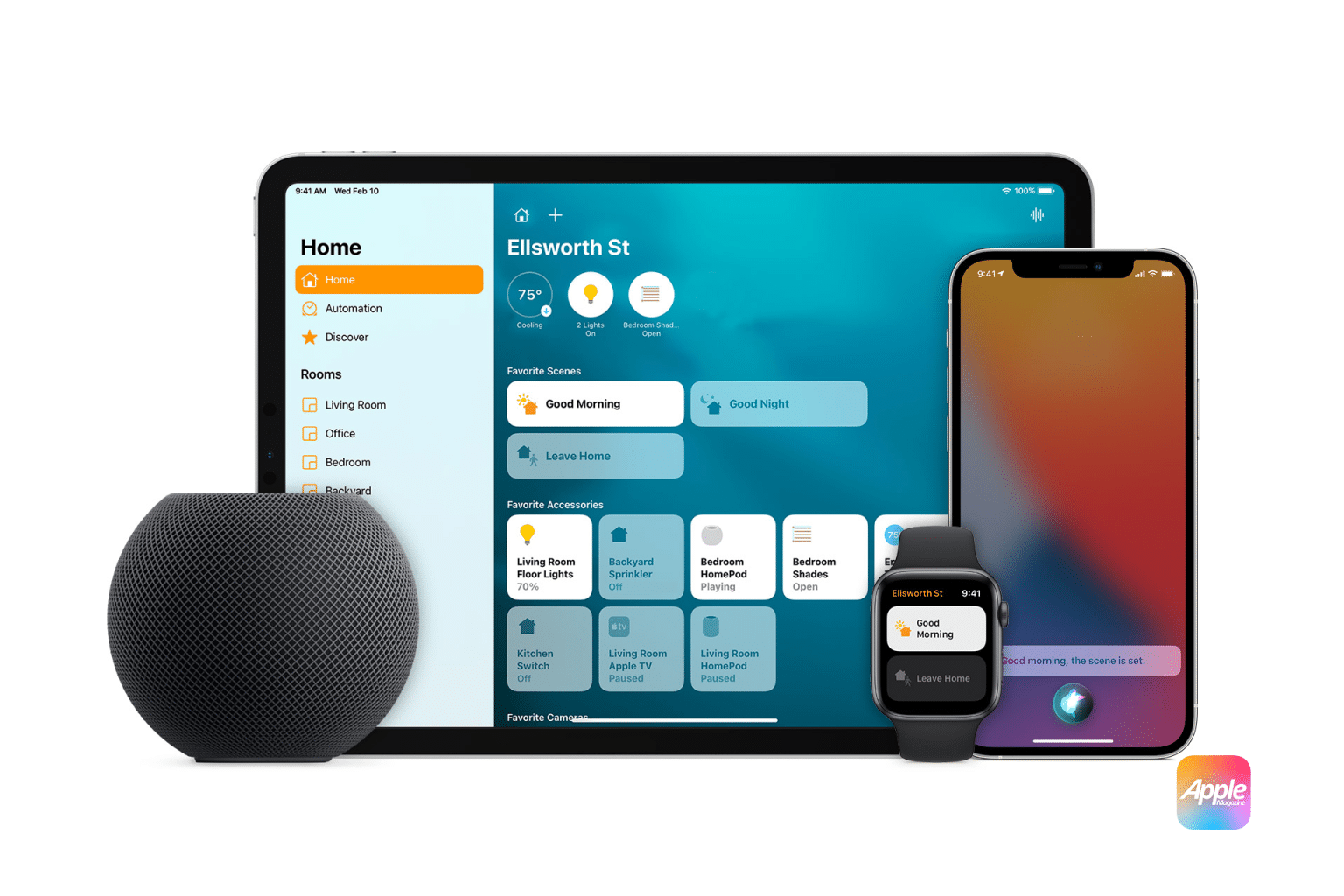
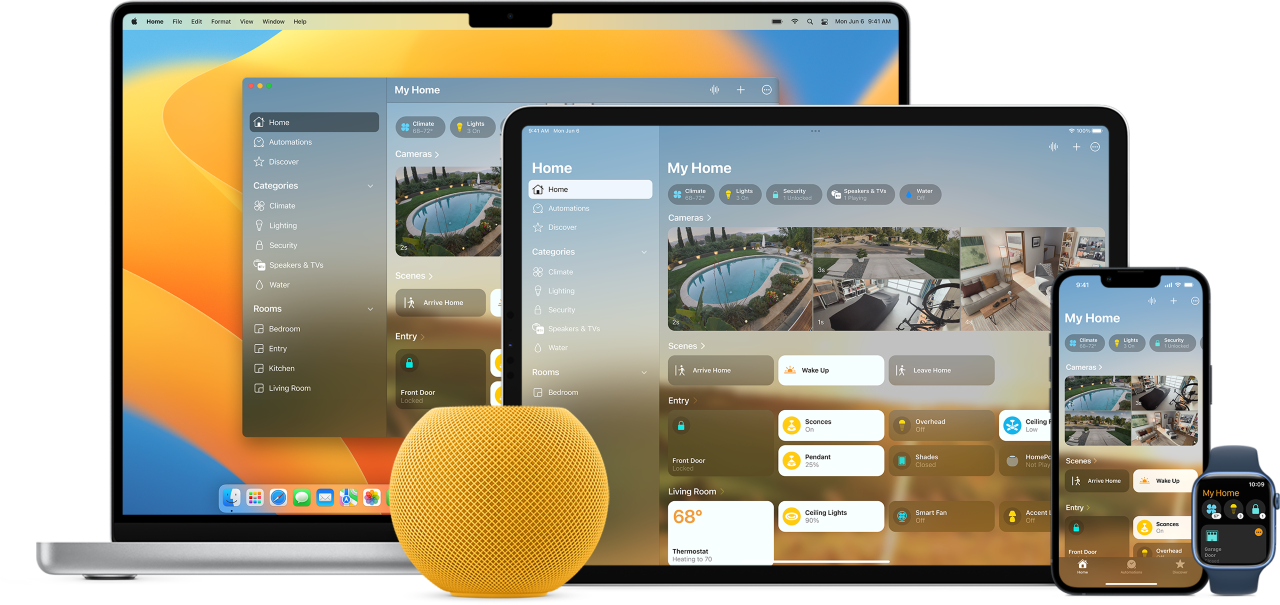
At its core, Apple HomeKit is a software framework that allows third-party smart home devices to communicate with each other and with Apple devices. Think of it as the universal translator for your smart home. Instead of needing a dozen different apps to control your lights, locks, thermostats, and speakers, HomeKit consolidates it all into a single, intuitive interface: the Home app.
This isn’t just about convenience; it’s about security and privacy. Apple has built HomeKit with a strong emphasis on protecting your personal data. Unlike some other smart home platforms that might send your data to the cloud for processing, HomeKit is designed to keep as much of that information local as possible. When you control a HomeKit device, the commands are often processed directly on your Apple device or a home hub (like an Apple TV or HomePod) within your network. This significantly reduces the risk of your sensitive information falling into the wrong hands. This commitment to privacy is a major differentiator and a compelling reason why so many are making the switch to HomeKit.
The Power of Siri: Your Voice, Your Command
The true magic of HomeKit often lies in its integration with Siri. Imagine this: you’re cozied up on the couch, and instead of fumbling for your phone, you simply say, "Hey Siri, dim the living room lights to 50%." Or, "Hey Siri, lock the front door." This hands-free control is not just a futuristic fantasy; it’s an everyday reality with HomeKit.
Siri’s ability to understand natural language commands and translate them into actions for your smart devices is incredibly powerful. You can create custom "scenes" – pre-programmed routines that trigger multiple actions with a single command. For instance, a "Good Morning" scene could gradually turn on your bedroom lights, raise the thermostat, and start your favorite morning playlist. A "Movie Night" scene could dim the lights, close the blinds, and even adjust the smart TV settings. The possibilities are limited only by your imagination, and the ease with which you can orchestrate these complex sequences is truly revolutionary.
Beyond the Basics: Unveiling the Versatile World of HomeKit Devices
The HomeKit ecosystem has exploded in recent years, offering a vast array of devices to transform every aspect of your home. Let’s explore some of the most popular and impactful categories:
-
Smart Lighting: This is often the gateway drug to HomeKit. From simple smart bulbs that let you change color and brightness to intricate lighting systems that can mimic the sun’s cycle, HomeKit lights offer unparalleled ambiance and energy efficiency. Brands like Philips Hue, Nanoleaf, and Govee have become synonymous with intelligent illumination. Imagine waking up to a gentle, simulated sunrise or setting the perfect mood for a dinner party with a tap or a voice command.
-
Smart Thermostats: Energy savings and comfort go hand-in-hand with HomeKit-enabled thermostats. Devices from ecobee and Honeywell allow you to remotely control your home’s temperature, set schedules, and even learn your habits to optimize energy usage. This not only reduces your utility bills but also ensures your home is always at the perfect temperature when you arrive.
-
Smart Locks and Security: Peace of mind is paramount, and HomeKit offers robust solutions for home security. Smart locks from brands like August and Level allow you to lock and unlock your doors remotely, grant temporary access to guests, and receive notifications when your door is opened or closed. HomeKit-enabled cameras, like those from Logitech Circle View, provide crystal-clear video feeds and motion detection, all integrated seamlessly into your Home app for easy monitoring.
-
Smart Plugs and Outlets: The unsung heroes of the smart home. These simple yet incredibly useful devices can turn any "dumb" appliance into a smart one. Plug in a lamp, a fan, or even a coffee maker, and you can control it with your voice or through the Home app. Want to ensure you never leave a curling iron on again? A smart plug gives you that power.
-
Smart Blinds and Shades: Elevate your home’s comfort and energy efficiency with automated blinds and shades. Companies like Lutron and Eve offer solutions that can open and close your window coverings on a schedule, or in response to specific events, helping to regulate sunlight and temperature.
-
Smart Speakers and Displays: While not strictly devices you control with HomeKit, Apple’s own HomePod and HomePod mini act as essential home hubs, enabling remote access to your HomeKit accessories and serving as a powerful Siri interface. They are the central nervous system of your HomeKit home.
-
Sensors and Detectors: From water leak detectors to motion sensors and environmental monitors (temperature, humidity, air quality), these devices provide invaluable data and trigger automations. A water leak detected in the basement can instantly send an alert to your phone, potentially saving you from costly damage.
The HomeKit Advantage: Why Choose Apple’s Ecosystem?
You might be wondering, "Why HomeKit specifically? There are other smart home platforms out there." The answer lies in a combination of factors that Apple consistently prioritizes:
-
Unrivaled Privacy and Security: As mentioned, this is a cornerstone of HomeKit. Apple’s commitment to on-device processing and end-to-end encryption offers a level of security that is difficult to match. In an era where data breaches are increasingly common, this is a significant selling point.
-
Seamless Integration and Simplicity: The Home app is a testament to Apple’s design philosophy. It’s clean, intuitive, and designed for ease of use. No more juggling a multitude of apps. Everything is in one place, and it just works.
-
Reliability and Stability: HomeKit devices are rigorously tested to ensure they meet Apple’s high standards for performance and reliability. This translates to a more stable and dependable smart home experience.
-
The Power of the Apple Ecosystem: If you’re already invested in the Apple ecosystem – an iPhone, iPad, Mac, or Apple Watch – HomeKit integration is natural and effortless. Your existing devices become the control center for your entire home.
-
Future-Proofing: Apple is constantly innovating and updating its software and hardware. By choosing HomeKit, you’re investing in a platform that is continuously evolving and improving, ensuring your smart home remains cutting-edge for years to come.
The "Clickbait" Factor: Are You Missing Out on a Smarter, Safer Home?
The title might sound dramatic, but the reality is that many are still living in a "dumb" home when a truly intelligent and secure one is within reach. The barrier to entry for HomeKit is lower than ever, with a wide range of affordable and high-quality devices available.
The real question is: Are you content with the status quo, or are you ready to embrace the future of living? The convenience of voice control, the peace of mind that comes with enhanced security, and the sheer elegance of a seamlessly integrated home are all waiting for you.
Getting Started with HomeKit: Your First Steps into the Future
Diving into HomeKit might seem daunting, but it’s surprisingly straightforward.
-
Check for the "Works with Apple HomeKit" Badge: When purchasing any smart home device, always look for this official certification. It guarantees compatibility.
-
Start Small: You don’t need to automate your entire house overnight. Begin with a few smart bulbs, a smart plug, or a smart speaker. Experience the magic and gradually expand your system.
-
Set Up a Home Hub: To control your HomeKit devices remotely (when you’re away from home) and to enable automations, you’ll need a Home hub. This can be an Apple TV (4th generation or later), an iPad (with the latest iOS), or a HomePod or HomePod mini.
-
Explore the Home App: Familiarize yourself with the Home app on your iPhone or iPad. It’s your central command center for all things HomeKit.
The Future is Now, and It’s Intelligent
Apple HomeKit is more than just a collection of smart devices; it’s a philosophy of living. It’s about creating a home that is responsive, secure, and effortlessly convenient. By embracing HomeKit, you’re not just upgrading your home; you’re upgrading your lifestyle. The question isn’t if you should consider HomeKit, but rather, how soon you’re ready to unlock the full potential of your home and leave the limitations of the past behind. Don’t be the one who looks back and wonders why you waited so long. The future of your home is calling – and it’s ready to listen.





Leave a Comment
You must be logged in to post a comment.