

Tired of the same old smart home pitches? You’ve seen the ads, the sleek interfaces, and the promises of effortless control. But let’s be honest, for many of us, the reality of a truly integrated and intuitive smart home feels perpetually out of reach. And if you’ve been eyeing systems like Brilliant, you might be experiencing a similar pang of "almost there."
Brilliant, with its impressive wall-mounted touchscreens and integrated control, certainly paints a picture of sophisticated living. It’s a system that aims to consolidate your smart devices into a central, aesthetically pleasing hub. But what if I told you that achieving that futuristic smart home experience, complete with seamless automation and effortless control, doesn’t have to come with a Brilliant-sized price tag? What if there are alternatives that are not only more affordable but, dare I say, even more powerful and customizable, allowing you to craft a smart home that truly reflects your needs and desires?
Get ready to have your mind blown. We’re diving deep into the world of Brilliant smart home alternatives that will not only impress your guests but also leave you wondering why you ever considered the conventional route. Prepare to unlock a new level of smart living, without breaking the bank.
The Brilliant Allure: Why the Hype, and What’s Missing?
Before we explore the alternatives, it’s crucial to understand what makes Brilliant so appealing. Its core strength lies in its centralized, in-wall control panels. These sleek, tablet-like devices replace traditional light switches, offering a visually appealing and unified interface for managing lights, thermostats, smart locks, and even music. The idea is to eliminate the need for multiple apps and voice commands for everyday tasks.
Brilliant’s key selling points include:
- Unified Control: A single point of interaction for various smart home devices.
- Elegant Design: Aesthetically pleasing, replacing unsightly switches with a modern look.
- Built-in Intercom: The ability to communicate between rooms via the control panels.
- Scene Creation: Easy setup of pre-programmed automations for different moods or activities.
However, Brilliant isn’t without its drawbacks. The most significant barrier for many is its premium price point. The initial investment for the control panels, plus the potential need for professional installation, can quickly escalate. Furthermore, while it integrates with many popular brands, its ecosystem can feel somewhat closed. You might find yourself limited in the breadth of devices you can control compared to more open-ended platforms. Finally, for those who are deeply invested in specific smart home ecosystems (like HomeKit, Google Home, or Amazon Alexa), Brilliant might feel like a redundant layer rather than a seamless integration.
The Brilliant Alternatives: Unlocking Next-Level Smart Homes Without the Sticker Shock
This is where the real magic happens. We’re going to explore smart home systems that offer comparable, and in some cases superior, functionality to Brilliant, often at a fraction of the cost, and with far greater flexibility. These alternatives empower you to build a truly personalized smart home, tailored to your budget and your technological inclinations.
1. The Powerhouse Platform: Home Assistant – Your Ultimate DIY Smart Home Master
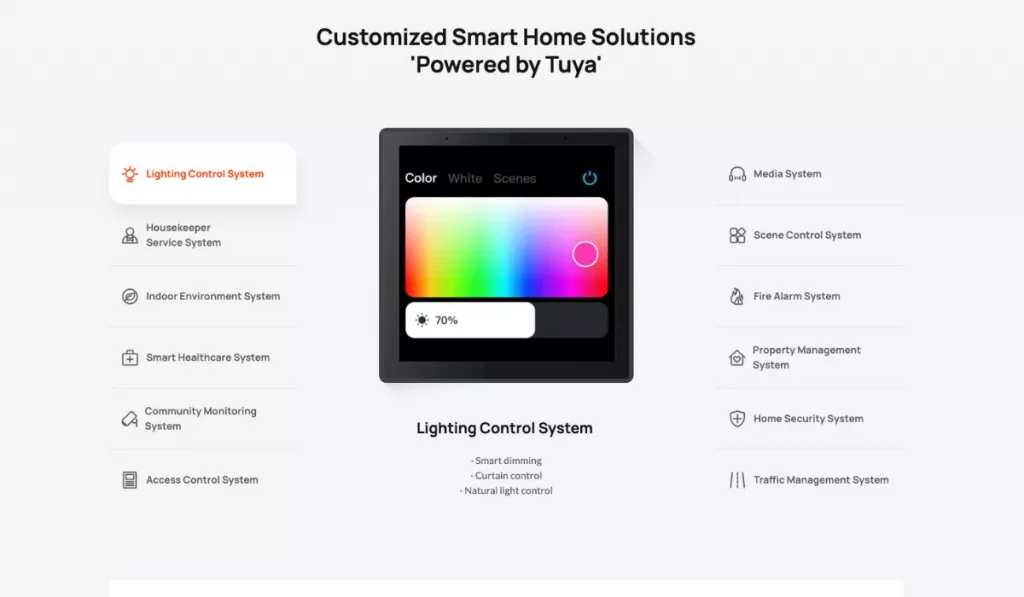
If you’re willing to roll up your sleeves a little and embrace the DIY spirit, Home Assistant is the undisputed king of smart home customization. Think of it as the ultimate open-source operating system for your home.
Why it’s a Brilliant Alternative:
- Unparalleled Integration: Home Assistant boasts an astonishingly vast library of integrations, supporting thousands of devices from virtually every manufacturer. If a smart device exists, chances are Home Assistant can control it. This far surpasses the curated integrations of a system like Brilliant.
- Deep Customization: You’re not limited to pre-defined interfaces. Home Assistant allows you to design your own dashboards with intricate layouts, custom cards, and personalized automations that go far beyond simple scene creation. You can build logic that responds to specific conditions, sensor readings, time of day, and even your presence.
- Privacy-Focused: As an open-source platform, your data stays within your home network, offering a significant privacy advantage over cloud-dependent commercial solutions.
- Cost-Effective: The software itself is free. The hardware required is typically a small computer like a Raspberry Pi, which is significantly cheaper than Brilliant’s hardware.
- Voice Control Synergy: While Home Assistant doesn’t have its own built-in voice assistant (though it can integrate with them), it works flawlessly with Google Assistant, Amazon Alexa, and Apple’s Siri via HomeKit integration. You can then use voice commands to trigger incredibly complex automations you’ve built within Home Assistant.
How it Compares to Brilliant: Instead of replacing your light switches with expensive panels, you can use affordable smart switches, smart plugs, and sensors that communicate with your Home Assistant server. You can then access and control everything through a beautiful, custom-designed dashboard on your tablet, smartphone, or even a dedicated smart display. The level of control and automation you can achieve is exponentially higher.
Getting Started: You’ll need a compatible device to run Home Assistant (e.g., Raspberry Pi 4, Intel NUC) and then you’ll install the software. From there, it’s a matter of connecting your smart devices. There are extensive online communities and tutorials to guide you.
2. The Apple Ecosystem Embrace: HomeKit – Seamless Simplicity for Apple Users
For those already entrenched in the Apple ecosystem, HomeKit offers a remarkably intuitive and secure path to a smart home. While it doesn’t offer the same physical wall-mounted control as Brilliant, its integration into iOS devices and the power of Siri make it a compelling alternative.
Why it’s a Brilliant Alternative:
- Native Integration: HomeKit is built directly into Apple devices. If you have an iPhone, iPad, or Apple Watch, you already have a powerful HomeKit controller.
- Siri Voice Control: Seamlessly control your devices with voice commands through Siri. "Hey Siri, dim the living room lights to 50%" is incredibly convenient.
- Enhanced Security and Privacy: HomeKit is designed with privacy and security at its core, with end-to-end encryption for device communication.
- Growing Device Support: The number of HomeKit-certified devices is constantly expanding, offering a good range of options for lighting, locks, thermostats, and more.
- Apple TV as a Hub: An Apple TV (4K or HD) can act as a home hub, enabling remote access and automation even when you’re away from home.
How it Compares to Brilliant: HomeKit offers a software-centric approach to smart home control, leveraging the devices you already own. While Brilliant focuses on dedicated hardware interfaces, HomeKit uses your existing Apple devices and Siri. You can achieve similar lighting and thermostat control, and for many, the ease of use and integration with their Apple devices makes it a more natural fit. You can even use third-party apps to create more advanced automations and custom dashboards, bridging some of the gap in visual customization.
Getting Started: Ensure your smart devices are HomeKit compatible. Then, simply add them to the Home app on your iPhone or iPad. You can then create rooms, scenes, and automations directly within the app.
3. The Google Ecosystem Powerhouse: Google Home/Google Assistant – Ubiquitous Control and Intelligence
For users who are deeply invested in the Google ecosystem, Google Home and the Google Assistant provide a robust and widely accessible smart home platform.
Why it’s a Brilliant Alternative:
- Vast Device Compatibility: Google Assistant integrates with an enormous number of smart home devices from various brands, rivaling even Home Assistant in sheer numbers.
- Intelligent Voice Control: The Google Assistant is renowned for its conversational abilities and understanding of natural language, making voice commands feel incredibly intuitive.
- Smart Displays as Visual Hubs: Google Nest Hubs and other smart displays offer a visual interface that can rival Brilliant’s touchscreens for controlling devices, viewing security camera feeds, and accessing information.
- Routines for Automation: Similar to scenes, Google Assistant’s "Routines" allow you to trigger multiple actions with a single voice command or at a scheduled time.
- Cost-Effective Hardware: Google Nest devices, from speakers to displays, are generally very affordably priced.
How it Compares to Brilliant: While Brilliant focuses on dedicated wall panels, Google Home leverages its smart displays as central hubs. You can get a Nest Hub Max for a fraction of the cost of a Brilliant panel and have a device that not only controls your smart home but also acts as a digital photo frame, a video conferencing tool, and a smart speaker. The voice control capabilities are arguably more advanced and conversational than Brilliant’s.
Getting Started: Purchase Google Assistant-compatible smart devices and set them up through the Google Home app. You can then link your devices and create custom routines.
4. The Amazon Ecosystem Dominance: Amazon Alexa – The Most Widely Adopted Smart Home Platform
Amazon Alexa is arguably the most prevalent smart home platform, thanks to its widespread adoption of Echo devices and its vast ecosystem of compatible products.
Why it’s a Brilliant Alternative:
- Extensive Device Support: Alexa boasts an unparalleled selection of compatible devices, often exceeding even Google Assistant and HomeKit in sheer numbers.
- Powerful Voice Control: Alexa’s voice commands are robust and can trigger a wide array of smart home actions.
- Echo Show Devices as Visual Hubs: Similar to Google Nest Hubs, Amazon Echo Show devices offer a touchscreen interface for controlling your smart home, viewing cameras, and more.
- Skills for Customization: The Alexa Skills store provides a vast array of third-party applications that can extend Alexa’s functionality, allowing for more complex automations and integrations.
- Affordable Hardware Options: Echo devices are available at a wide range of price points, making it an accessible entry into smart home control.
How it Compares to Brilliant: Alexa offers a strong alternative to Brilliant’s hardware-centric approach by utilizing Echo Show devices as its primary visual interface. You can achieve similar control over lights, thermostats, and other devices, and the voice control is a core component. The vastness of Alexa skills means you can often find solutions for niche smart home needs that might not be as readily available on other platforms.
Getting Started: Acquire Alexa-compatible smart devices and link them to your Amazon account via the Alexa app. You can then use voice commands and the Alexa app to manage your devices and create routines.
Beyond the Platforms: Individual Devices That Punch Above Their Weight
It’s also important to remember that you don’t always need a single overarching platform to achieve a smart and convenient home. Many individual smart devices offer sophisticated features that can complement or even replace some of Brilliant’s functionalities:
- Smart Lighting Systems (Philips Hue, LIFX): These systems offer unparalleled control over lighting ambiance, color, and scheduling, often with their own intuitive apps and integrations.
- Smart Thermostats (Nest, ecobee): These devices learn your habits and optimize energy usage, offering remote control and advanced scheduling.
- Smart Locks (August, Schlage): For enhanced security and convenience, smart locks allow keyless entry and remote access control.
- Smart Plugs and Switches: These are the unsung heroes of smart homes, allowing you to make "dumb" devices smart by controlling their power supply.
The Verdict: Craft Your Dream Smart Home, Your Way
While Brilliant offers a glimpse into a unified smart home experience, its limitations in cost and ecosystem openness leave a significant void for many. The alternatives we’ve explored – Home Assistant, HomeKit, Google Home, and Amazon Alexa – each offer compelling pathways to achieving a sophisticated, automated, and convenient smart home, often with greater flexibility, deeper customization, and a more accessible price point.
Whether you’re a DIY enthusiast craving ultimate control, an Apple loyalist seeking seamless integration, or someone who thrives on the convenience of voice commands from Google or Amazon, there’s a brilliant (pun intended!) alternative out there for you. Stop dreaming about the future of smart homes and start building it today. The power is in your hands, and it doesn’t have to cost a fortune. It’s time to experience smart living that’s truly tailored to you.






Leave a Comment
You must be logged in to post a comment.