
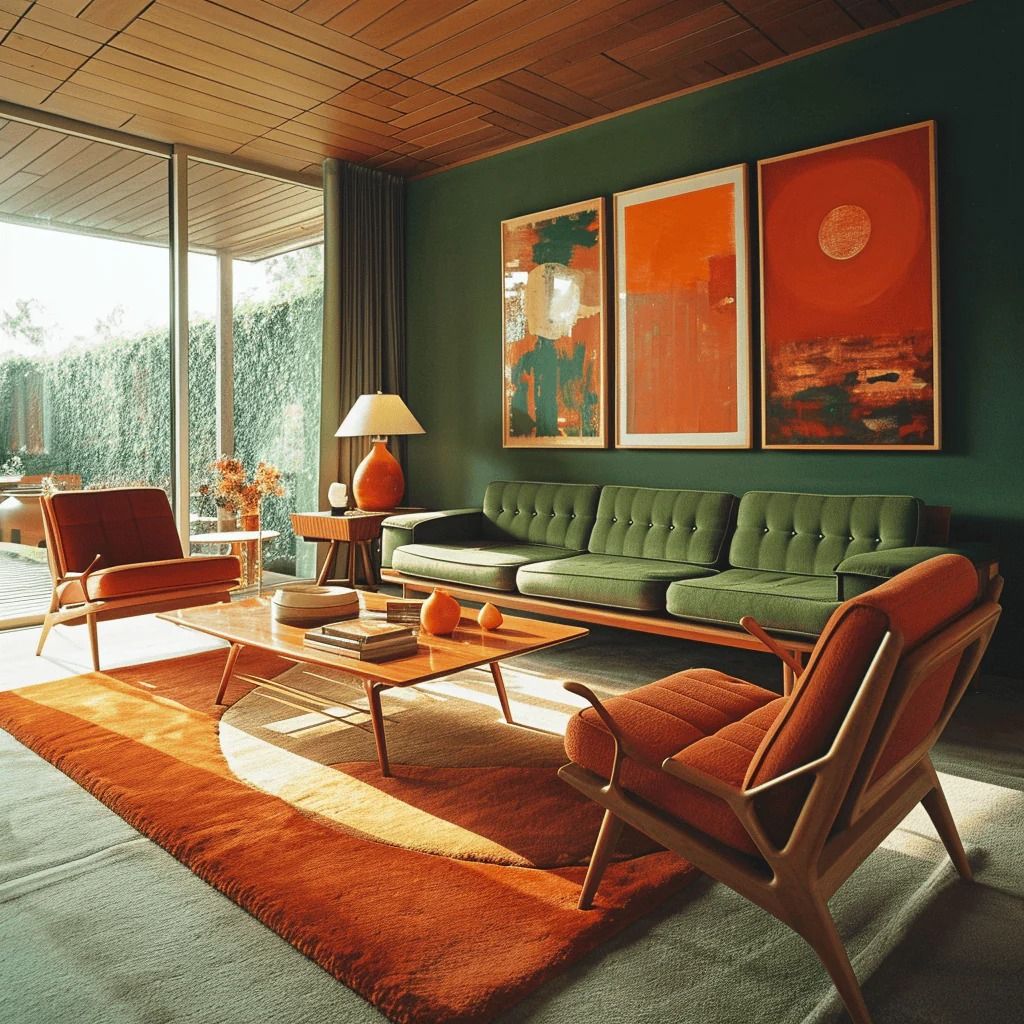
The 1970s. A decade synonymous with vibrant colors, bold patterns, and an undeniable sense of freedom and self-expression. Think disco balls, shag carpets, and an abundance of natural elements. While some trends fade into the rearview mirror, the aesthetic of the 70s is experiencing a powerful resurgence, proving that this era’s design philosophy wasn’t just a fleeting fad, but a timeless statement. Forget the dated stereotypes; we’re talking about a sophisticated, yet undeniably fun, take on 70s home decor that’s perfectly suited for today’s modern living.
This isn’t about recreating a museum piece or making your home feel like a time capsule. Instead, it’s about cherry-picking the best elements of 70s design and seamlessly integrating them into your existing space, injecting it with personality, warmth, and a touch of playful rebellion. So, buckle up, buttercups, because we’re about to dive deep into how you can transform your home into a groovy sanctuary that’s both stylishly retro and refreshingly contemporary.
The Soul of the 70s: Color, Texture, and Nature
At the heart of 70s decor lies a fearless embrace of color. This wasn’t a decade for shy neutrals. Instead, it was a celebration of rich, earthy tones and vibrant, unexpected pops. Think deep oranges, mustard yellows, avocado greens, and warm browns. These colors evoke a sense of comfort, grounding, and a connection to the natural world.
Earthy Palettes with a Punch: Instead of painting your entire living room a searing orange, consider incorporating these warm hues through accent walls, statement furniture pieces, or even smaller decor items like throw pillows and rugs. A burnt orange velvet sofa, for instance, can be a showstopper that grounds a room while still feeling luxuriously modern. Alternatively, pair a neutral base with pops of mustard yellow or avocado green in your textiles and artwork. The key is balance.
The Tactile Revolution: Texture was king in the 70s, and this is a trend that translates beautifully into modern interiors. Shag carpets, while perhaps a bit much for an entire room today, have been reimagined in more refined, shorter piles or as statement area rugs. Think about introducing rich textures through:
- Velvet: Plush velvet upholstery on sofas, armchairs, or even curtains adds an instant touch of opulence and retro charm.
- Corduroy: A more casual yet equally textural option, corduroy can be found in upholstery for seating or as decorative pillows.
- Woven Materials: Rattan, wicker, and macrame are making a huge comeback. These natural fibers bring an organic, bohemian feel, perfect for lighting fixtures, storage baskets, or even decorative wall hangings.
- Textured Wall Finishes: Consider textured wallpaper with subtle patterns or even a limewash finish for an added layer of depth and visual interest.
Nature’s Embrace: The 70s had a profound appreciation for bringing the outdoors in. This manifested in the use of natural materials and an abundance of plants. This is a trend that aligns perfectly with today’s biophilic design principles, making it a no-brainer for modern homes.
- Houseplants Galore: Think large-leafed plants like Monstera, Fiddle Leaf Figs, and Snake Plants. Place them in large ceramic pots or woven planters for an instant bohemian vibe. Hanging plants from macrame holders also adds a classic 70s touch.
- Natural Wood Tones: Embrace the warmth of wood. Think teak, walnut, or even bamboo for furniture pieces, shelving units, or decorative accents. The rich grains of these woods add a natural, organic feel that’s both timeless and sophisticated.

Iconic Furniture Forms: Curves, Comfort, and Conversation
The furniture of the 70s was all about comfort and creating inviting spaces. Gone were the rigid, formal lines of previous decades. Instead, we saw a rise in organic shapes, plush cushioning, and pieces designed for lounging and socializing.
The Rise of the Round and the Curved: Embrace the gentle curves that defined 70s furniture. Round sofas, kidney-shaped coffee tables, and chairs with rounded edges create a softer, more inviting atmosphere. These organic forms break away from sharp, angular lines and promote a sense of flow and movement within a room.
Modular Marvels and Low-Slung Silhouettes: Modular sofas were a hallmark of the era, offering flexibility and the ability to reconfigure spaces. Today, this concept translates into adaptable seating arrangements that can be tailored to your needs. Low-slung furniture also gained popularity, creating a relaxed and grounded feel. Think of deep, comfortable sofas that invite you to sink in and stay a while.
Statement Pieces with Personality: The 70s weren’t afraid of bold furniture choices. Think about a statement armchair in a vibrant color or a uniquely shaped credenza. These pieces act as focal points, injecting personality and a sense of fun into your decor. Don’t shy away from vintage finds; a well-chosen antique can add character and a story to your space.
Patterns and Prints: A Bold Renaissance
If there’s one element that screams 70s, it’s the fearless use of patterns. From geometric designs to psychedelic swirls and bold floral prints, the decade embraced visual excitement. The modern interpretation is about strategic placement and thoughtful curation.
Geometric Glamour: Think clean lines, bold shapes, and repeating motifs. Geometric patterns can be incorporated through rugs, throw pillows, wallpaper, or even upholstery. A statement geometric rug can instantly elevate a neutral living room, adding a touch of retro flair without overwhelming the space.
Floral Fantasies, Reimagined: The bold, often oversized floral prints of the 70s have been softened and modernized. Look for floral patterns with a more muted color palette or a more abstract interpretation. A vintage-inspired floral wallpaper on an accent wall can add a touch of bohemian romance.
Psychedelic Strokes: While full-blown psychedelic prints might be a bit much for everyday living, the spirit of bold, swirling patterns can be captured through abstract art or smaller decorative items. Think about a vibrant abstract painting that incorporates the bold color palette of the 70s.
Lighting: Setting the Mood, 70s Style
Lighting in the 70s was about creating ambiance and making a statement. It was a time of dramatic fixtures that were as much art pieces as they were functional.
The Lava Lamp Legacy: While a traditional lava lamp might be a kitschy addition, the concept of fluid, mesmerizing light is still relevant. Consider modern interpretations with more sophisticated designs or use it as a playful accent piece in a den or game room.
Globe Pendants and Sputnik Chandeliers: These iconic lighting fixtures are back in a big way. Globe pendant lights in smoked glass or brass add a touch of mid-century modern sophistication with a distinctly 70s feel. Sputnik chandeliers, with their radiating arms, offer a dramatic and eye-catching focal point.
Warm, Ambient Glow: The 70s favored warm, diffused lighting. Opt for lamps with fabric shades that cast a soft glow. Consider dimmer switches to control the mood and create a cozy atmosphere, perfect for winding down after a long day.
Accessories and Art: The Finishing Touches
The devil is in the details, and the 70s were all about expressive accessories and art.
Macrame Magic: As mentioned earlier, macrame is experiencing a huge revival. From plant hangers to wall hangings and even lampshades, macrame adds a bohemian, handcrafted touch that’s both stylish and warm.
Ceramic Sensations: Earthy, handcrafted ceramic pieces were highly prized. Think chunky vases, decorative bowls, and sculptural objects in muted tones or with organic textures.
Vintage Finds and Personal Touches: Don’t be afraid to scour antique shops and flea markets for authentic 70s treasures. Vintage record players, quirky ashtrays (used as trinket dishes, of course!), and retro artwork can add immense character. Personal photographs in vintage frames also contribute to the warm, lived-in feel of the era.
The Power of Wood Paneling (Used Wisely!): While full wood-paneled rooms might feel overwhelming today, consider incorporating wood accents. A single wood-paneled accent wall, a wooden feature in your shelving unit, or even wooden frames for artwork can bring in that beloved 70s warmth without dating your space.
Bringing it All Together: The Modern 70s Home
The beauty of the modern 70s revival lies in its adaptability. It’s not about adhering to strict rules, but about capturing the spirit of the decade: a spirit of comfort, self-expression, and a joyous embrace of life.
Start small. Introduce a few key pieces – a velvet accent chair, a macrame plant hanger, or a vibrant geometric rug. Observe how these elements transform your space and gradually incorporate more as you feel inspired. The most important thing is to create a home that feels authentic to you, a space that’s both stylishly retro and wonderfully comfortable. So, go ahead, embrace the groove, and let your modern 70s haven unfold. Your home will thank you for it, and you might just find yourself saying, "Far out!" more often than you think.

Leave a Comment
You must be logged in to post a comment.