
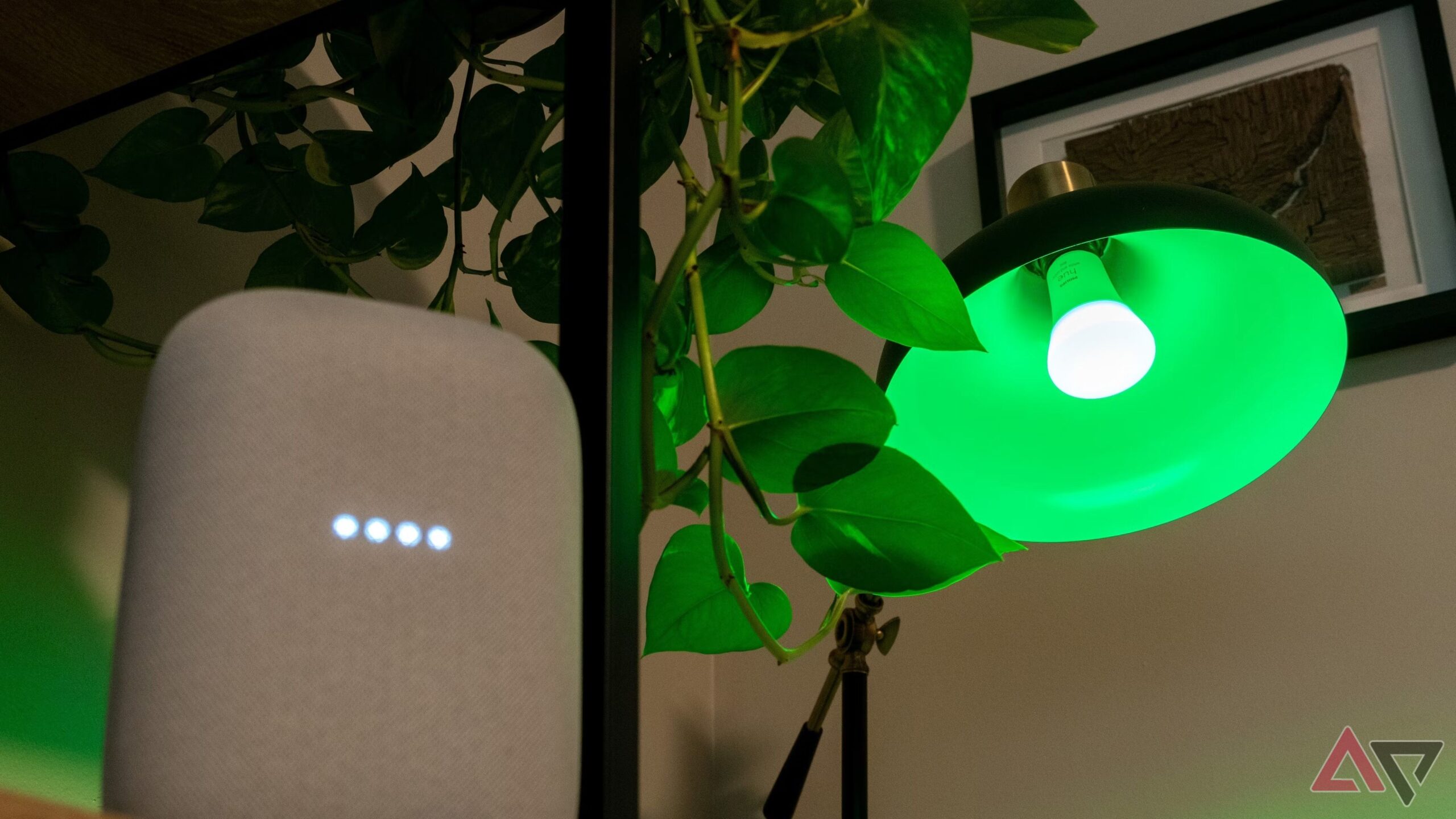
The glow of your living room, the gentle hum of your bedroom nightlight, the vibrant hues that set the mood for a party – all orchestrated with a simple voice command. This isn’t a scene from a sci-fi movie; this is the reality that Google Home and smart lights are bringing to homes around the world. But as the initial novelty wears off for some, a crucial question emerges: are these connected devices truly revolutionizing our living spaces, or are they destined to become expensive paperweights in a drawer filled with forgotten tech?
The promise of a "smart home" has been a siren song for years, and at its forefront, Google Home (now part of the Google Nest family) and the burgeoning world of smart lighting have become the most accessible entry points for many. For the uninitiated, imagine a central hub, your Google Assistant-powered speaker or display, that acts as the conductor of your home’s symphony. From this conductor, you can command an orchestra of smart devices, and among the most popular and impactful are smart lights.
Gone are the days of fumbling for light switches in the dark. With a Google Home device, you can illuminate your home with phrases like, "Hey Google, turn on the living room lights," or "Hey Google, dim the bedroom lights to 30%." This basic functionality alone offers a remarkable level of convenience, especially for those with mobility challenges, or simply for those moments when your hands are full.
But the magic of smart lighting, amplified by the intuitive control of Google Home, extends far beyond simple on-off commands. The true innovation lies in the customization and automation capabilities. Let’s delve into why this pairing might just be the future you’ve been waiting for, and why some might be tempted to dismiss it as just another fleeting trend.
The Unlocking of Ambiance: Beyond the Ordinary Bulb
Traditional light bulbs are, frankly, a bit one-dimensional. They provide light, and that’s about it. Smart bulbs, on the other hand, are a canvas for creativity. Connected to your Google Home, they unlock a spectrum of possibilities that can transform the very atmosphere of your home.
-
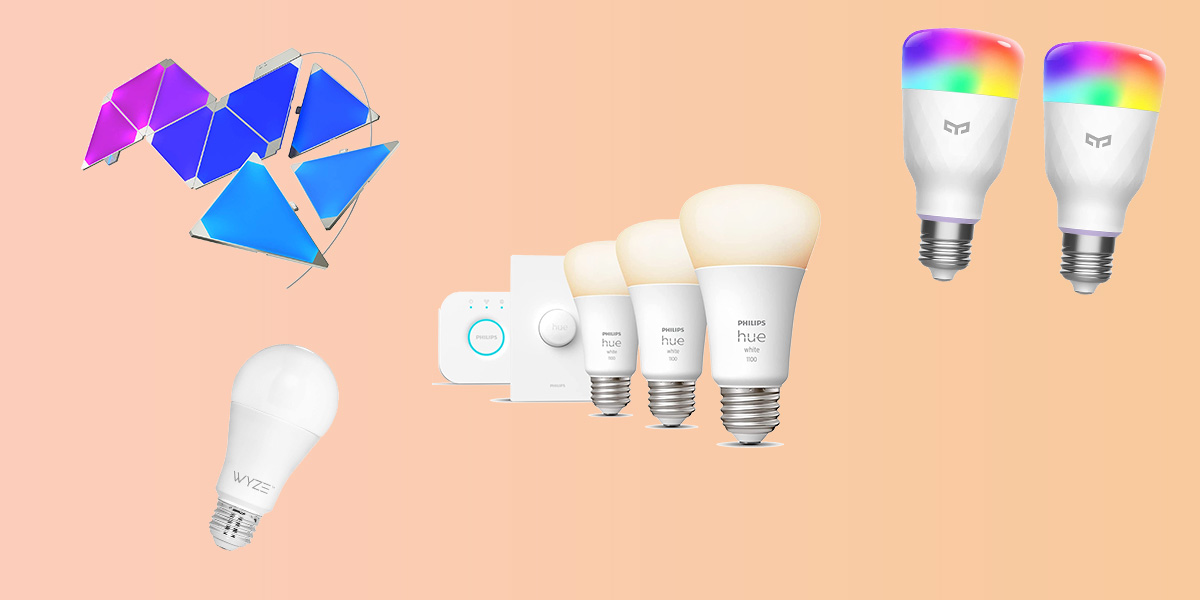
Color Your World: This is perhaps the most visually striking feature. Smart bulbs, particularly those from brands like Philips Hue, LIFX, and Nanoleaf, can produce millions of colors. Want a calming blue for relaxation? A vibrant red for a romantic evening? A cheerful yellow to boost your mood? Your Google Assistant can deliver. You can even set up specific color scenes for different activities, like a "Movie Night" scene that dims the lights and casts a warm, inviting glow.
-
The Power of White Light: Even if you’re not a fan of colored lighting, the ability to control the white light is incredibly valuable. Smart bulbs allow you to adjust the color temperature of white light, from a cool, energizing blue-white to a warm, cozy amber. This means you can mimic natural daylight cycles, helping to regulate your sleep patterns. Imagine waking up to a gradually brightening light that simulates a sunrise, or winding down in the evening with a soft, warm glow that prepares you for sleep. This is where smart lighting truly starts to feel like a wellness tool, not just a gadget.
-
Dimming and Brightness Control: This might seem basic, but the granular control offered by smart lights is a game-changer. Instead of crude dimmer switches, you can specify exact brightness percentages. "Hey Google, set the kitchen lights to 75%." This precision allows for fine-tuning the ambiance for any situation, from bright task lighting while cooking to a subtle glow for late-night snacking.
Automation: Letting Your Home Do the Thinking
Where Google Home and smart lights truly shine, and where the "future" argument gains significant traction, is in their ability to automate your home. This is where the convenience moves from active command to passive brilliance.
-
Routines: The Choreographers of Your Day: Google Home’s "Routines" are a powerful tool. You can create custom commands that trigger multiple actions. For example, a "Good Morning" routine could turn on your bedroom lights to a gentle brightness, start your favorite news podcast, and even adjust your smart thermostat. Conversely, a "Good Night" routine could turn off all the lights, lock your smart doors, and set your alarm. This level of automation streamlines your daily life, saving you time and mental energy.
-
Scheduling: Never Forget to Turn Off a Light Again: How many times have you left the house and wondered, "Did I turn off the porch light?" With smart lights and Google Home, this worry becomes a thing of the past. You can schedule lights to turn on and off at specific times, whether it’s to deter potential burglars by making your home appear occupied, or simply to ensure you don’t waste energy.
-
Geofencing: Lights That React to Your Presence: More advanced smart home setups can leverage geofencing. This means your lights can turn on automatically as you approach your home and turn off as you leave. Imagine arriving home after a long day to a welcoming, illuminated entryway – all without lifting a finger.
The Clickbait Question: Is It Worth the Hype (and the Price)?
So, is this the future, or just another gadget gathering dust? The answer, as with most things in technology, is nuanced.
Arguments for the "Future is Here" Camp:
- Unparalleled Convenience: The ability to control your lighting with your voice or through automation is undeniably convenient and can significantly enhance your quality of life.
- Enhanced Ambiance and Mood: Smart lights offer a level of customization for home atmosphere that was previously unimaginable.
- Energy Efficiency: Through scheduling and dimming, smart lights can contribute to energy savings.
- Increased Security: Automated lighting can create the illusion of occupancy, deterring potential intruders.
- Accessibility: For individuals with disabilities or mobility issues, voice-controlled smart lighting is a transformative technology.
Arguments for the "Dust Collector" Camp:
- Initial Cost: Smart bulbs and Google Home devices can represent a significant upfront investment, especially when outfitting an entire home.
- Complexity and Setup: While generally user-friendly, setting up and integrating multiple smart devices can still be a hurdle for some.
- Reliance on Wi-Fi and Internet: If your internet connection is down, your smart lights might become… well, just regular lights, or worse, completely unresponsive.
- App Overload and Ecosystem Lock-in: Managing multiple apps for different smart devices can become cumbersome. While Google Home aims to consolidate control, the underlying device compatibility can still be a factor.
- The "Do I Really Need This?" Factor: For some, the added convenience might not justify the cost or the learning curve, especially if they are perfectly happy with their existing light switches.
Navigating the Smart Lighting Landscape with Google Home:
If you’re considering diving into the world of Google Home and smart lights, here are a few tips to ensure you don’t end up with a drawer full of dust collectors:
- Start Small: Begin with a few smart bulbs in a key area, like your living room or bedroom, to get a feel for the technology.
- Prioritize Compatibility: Ensure the smart bulbs you choose are compatible with Google Assistant. Look for the "Works with Google Assistant" badge.
- Consider Your Needs: Are you looking for mood lighting, automation, or basic voice control? Your primary needs will guide your purchasing decisions.
- Explore Brands: Popular brands like Philips Hue, LIFX, Wyze, and Sengled offer a range of options at different price points.
- Embrace Routines: Once you’re comfortable with basic control, explore Google Home’s Routines to unlock the true power of automation.
Conclusion: Is Your Home Ready for the Illumination Revolution?
Google Home and smart lights are more than just a passing fad. They represent a tangible step towards a more convenient, personalized, and responsive home environment. For those who embrace the technology, the benefits of enhanced ambiance, effortless control, and intelligent automation can significantly improve daily life.
However, the "future" argument hinges on individual adoption and the perceived value proposition. If the cost, complexity, and reliance on internet connectivity outweigh the benefits for you, then perhaps your current light switches will continue to serve you just fine.
The real question isn’t whether Google Home and smart lights are the future, but rather, is this the future you want for your home? For many, the answer is a resounding yes. The ability to paint their living spaces with light, orchestrate their days with automated routines, and command their environment with a simple voice command is an invitation to a more modern, comfortable, and even magical way of living. So, are you ready to flip the switch on the future? The decision, and the illumination, are now in your hands – or rather, at the tip of your tongue.



Leave a Comment
You must be logged in to post a comment.