
The world of smart homes is no longer a futuristic fantasy; it’s a rapidly evolving reality. From lights that dim with your voice to thermostats that learn your schedule, our homes are getting smarter by the day. At the heart of this revolution lies the "hub" – the central brain that orchestrates all your connected devices. While many players have entered this arena, one contender often sparks intense debate and fervent anticipation: Apple’s Smart Home Hub.
But what exactly is Apple’s vision for the smart home, and is their offering the seamless, intuitive experience we’ve come to expect from the Cupertino giant, or is it a costly misstep in an already crowded market? In this in-depth exploration, we’re pulling back the curtain to reveal the secrets, the potential, and the surprising truths about the Apple Smart Home Hub that you absolutely need to know before you invest your hard-earned money. Prepare to have your expectations challenged.
The Apple Ecosystem: A Foundation Built on Seamless Integration
Before diving into the specifics of their smart home hub, it’s crucial to understand Apple’s overarching philosophy. Apple has always excelled at creating an ecosystem where its devices work in harmony. Think about how your iPhone effortlessly syncs with your iPad, Mac, and Apple Watch. This interconnectedness is the bedrock upon which their smart home ambitions are built.
For years, Apple has been quietly building its smart home infrastructure through HomeKit, its software framework for controlling smart home accessories. HomeKit enables devices to communicate with each other and be controlled via the Home app on your iPhone, iPad, Apple Watch, and Mac, as well as through Siri. While HomeKit-enabled devices have been available for some time, the missing piece – a dedicated, powerful hardware hub – has been a subject of intense speculation.
Enter the "Hub": It’s Not What You Might Expect (And That’s a Good Thing!)
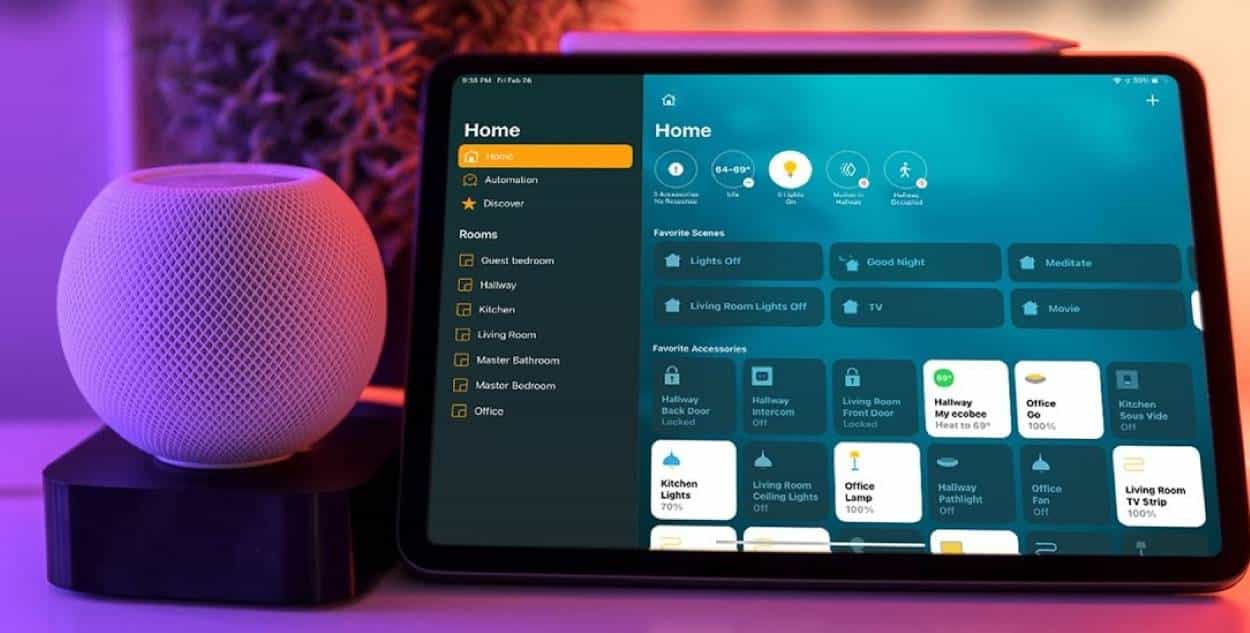
When most people think of a "smart home hub," they envision a standalone, dedicated box. However, Apple’s approach has been more integrated, leveraging their existing devices to perform this crucial function. Currently, the primary "smart home hubs" within the Apple ecosystem are:
- Apple TV (4K models): This unassuming streaming box has quietly become the powerhouse behind many HomeKit-enabled homes.
- HomePod and HomePod mini: These smart speakers are designed with smart home control at their core, offering both voice interaction and acting as dedicated hubs.
This strategy might seem unconventional to some, but it aligns perfectly with Apple’s design ethos: simplicity, elegance, and seamless user experience. Instead of introducing another gadget to clutter your home, Apple empowers you to use devices you might already own or that enhance your entertainment and audio experience.
The Power of Siri and the Home App: Your Command Center
The true magic of the Apple Smart Home Hub experience lies in its intuitive control interfaces:
- Siri: The familiar voice assistant is your primary gateway to controlling your smart home. "Hey Siri, turn off the living room lights," "Hey Siri, set the thermostat to 22 degrees," or "Hey Siri, lock the front door" are commands that become second nature. Siri’s natural language processing is exceptional, making it feel less like issuing commands and more like having a conversation with your home.
- The Home App: This beautifully designed app on your iOS devices is your visual control panel. It allows you to:
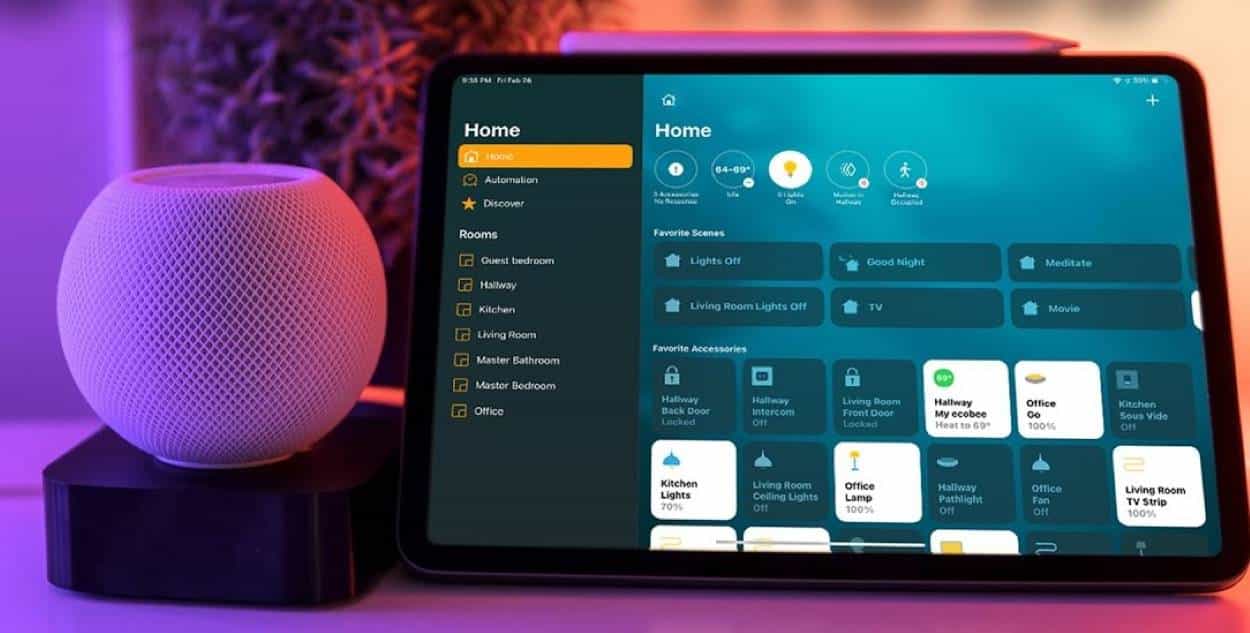
- Organize devices by room: Easily manage lights, thermostats, locks, cameras, and more, all categorized for effortless access.
- Create scenes: Group multiple actions into a single command. For example, a "Goodnight" scene could turn off all lights, lock the doors, and lower the thermostat. A "Movie Night" scene might dim the lights and close the smart blinds.
- Automate routines: Set up triggers for actions. Have your lights turn on automatically at sunset, or have your thermostat adjust when you leave home.
- Monitor security cameras: View live feeds and recorded events from your HomeKit-secure cameras directly within the app.
- Manage accessories remotely: Control your home even when you’re away, ensuring peace of mind.
What Makes Apple’s Smart Home Hub Stand Out (And Why It Might Be a Game Changer)
Here’s where the clickbait-worthy aspects truly shine. Apple isn’t just playing catch-up; they’re actively shaping the future of smart homes in ways that could fundamentally change how we interact with our living spaces.
-
Unrivaled Privacy and Security: The Silent Guardian You Didn’t Know You Needed!
In an age where data breaches and privacy concerns are rampant, Apple’s commitment to on-device processing and end-to-end encryption is a monumental advantage. Unlike many competitors that rely heavily on cloud servers, HomeKit processes as much data as possible locally. This means your commands, your usage patterns, and your personal information are far less likely to be compromised. For security-conscious individuals, this is a dealbreaker. Apple’s focus on privacy isn’t just a feature; it’s a core tenet that sets it apart. -
The Power of Thread and Matter: The Interoperability Revolution is HERE!
This is perhaps the most exciting development and the true "future" of Apple’s smart home strategy. Apple has been a major proponent of Matter, a new open-source connectivity standard designed to make smart home devices from different manufacturers work together seamlessly. Coupled with Thread, a low-power, low-bandwidth wireless networking protocol, Matter and Thread promise to break down the walled gardens that have plagued the smart home industry.What does this mean for you? It means that a smart lightbulb from one company can now potentially work flawlessly with a smart plug from another, all controlled through your Apple Home app, regardless of their original ecosystems. Apple TV 4K (2nd gen and later) and HomePod models act as Matter controllers and Thread border routers, making them the central nervous system for this new era of interoperability. This is a huge step towards a truly unified smart home experience, and Apple is at the forefront of making it a reality.
-
Seamless Integration with the Apple Ecosystem: The "It Just Works" Factor, Amplified!
If you’re already invested in the Apple ecosystem, the transition to a HomeKit-centric smart home is incredibly smooth. Adding new accessories is often as simple as scanning a QR code or holding your iPhone near the device. The consistency of the Home app across all your Apple devices ensures a familiar and intuitive user experience. There’s no learning curve for a new interface; it’s an extension of what you already know and love. -
HomeKit Secure Video: The Smarter, Safer Way to Monitor Your Home!
This feature is a game-changer for home security. HomeKit Secure Video, when paired with a compatible camera and an iCloud+ plan, offers advanced features like:- On-device analysis: Cameras analyze video locally to detect people, animals, vehicles, and specific activity zones (like packages arriving at your door).
- Encrypted storage: Video clips are securely stored in your iCloud account, accessible only by you.
- Activity notifications: Receive intelligent alerts on your Apple devices when specific events are detected.
- No subscription fees for the service itself (beyond your iCloud+ plan): This is a significant cost saving compared to many third-party cloud storage solutions.
The Potential Downsides: Is It All Sunshine and Rainbows?
While the Apple Smart Home Hub offers compelling advantages, it’s not without its considerations:
- Cost of Entry: If you don’t already own an Apple TV 4K or a HomePod, the initial investment can be higher compared to some other smart home hub solutions.
- Device Compatibility: While Matter is expanding compatibility, some older smart home devices may not be HomeKit-compatible or Matter-enabled. It’s always wise to check for compatibility before purchasing new accessories.
- Limited Customization (for some): While HomeKit offers robust automation and scenes, users who crave extremely granular, code-level customization might find it less flexible than some open-source alternatives. However, for the vast majority of users, the built-in options are more than sufficient.
The Verdict: Is the Apple Smart Home Hub the Future?
The answer is a resounding YES, it’s a significant part of the future. Apple’s strategic integration of HomeKit, Siri, and their powerful hardware offerings (Apple TV and HomePod) as the central hubs, combined with their leadership in promoting standards like Matter and Thread, positions them as a dominant force in the smart home landscape.
The "Apple Smart Home Hub" isn’t just a device; it’s an ecosystem designed for simplicity, security, and seamless interoperability. If you value privacy, appreciate intuitive design, and are looking for a smart home experience that "just works" with the devices you already use, then investing in the Apple HomeKit ecosystem is not just a smart choice – it’s a glimpse into the future of living.
The question is no longer if Apple will dominate the smart home, but rather how quickly their vision of a secure, interconnected, and effortless smart home will become the universal standard. And based on their current trajectory, that future is closer than you think. Don’t get left behind – the smart home revolution is here, and Apple is leading the charge!





Leave a Comment
You must be logged in to post a comment.