
In the blink of an eye, our homes have transformed. Gone are the days of clunky alarm panels and tinny sirens. Today, we live in a world where our houses are becoming extensions of our digital lives, and at the forefront of this revolution lies the realm of smart home security systems. We’re talking about systems that not only protect our loved ones and possessions but also learn, adapt, and communicate with us on a level we could only dream of a decade ago. But here’s the million-dollar question, the one that keeps security experts up at night and tech enthusiasts buzzing: Are these intelligent guardians truly making our homes impenetrable fortresses, or are we inadvertently inviting digital wolves into our sheepfolds?
The allure of a smart home security system is undeniable. Imagine a world where you can monitor your home from a beach in Bali, receive instant alerts if a window is tampered with, or even have your lights automatically turn on when you approach your doorstep after dark. It’s a vision of convenience, control, and, most importantly, peace of mind. But beneath this polished surface of futuristic living lies a complex ecosystem of interconnected devices, cloud-based services, and potential vulnerabilities. This article will peel back the layers, exposing the astonishing truths about smart home security, the incredible benefits it offers, and the critical questions you must ask before embracing this technological leap.
The Smart Security Revolution: Beyond Basic Alarms
For decades, home security meant a physical barrier and a noisy alarm. While effective to a degree, it was largely reactive. Smart home security, however, is a paradigm shift. It’s about proactive protection, intelligent monitoring, and seamless integration. Let’s dive into the core components that define this revolution:
-
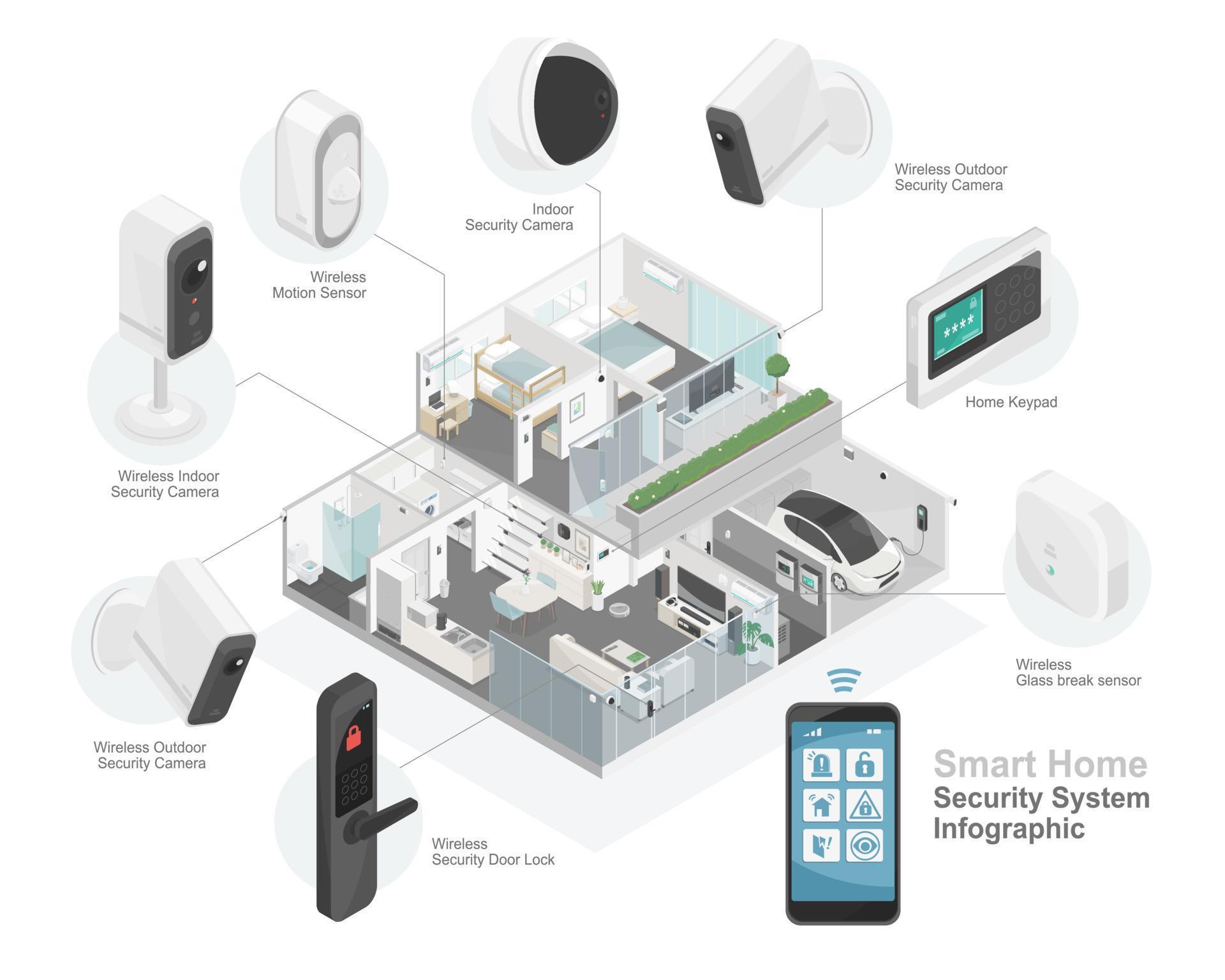
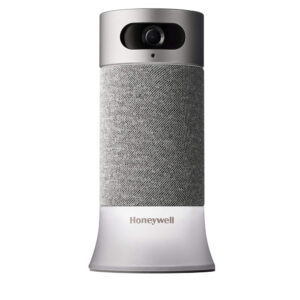
Smart Cameras: Your Ever-Watchful Eyes: Gone are the days of grainy footage. Modern smart cameras offer crystal-clear HD resolution, often with night vision capabilities that pierce through darkness. Many boast motion detection, allowing them to only record when activity is detected, saving storage space and reducing false alarms. The truly game-changing feature? Two-way audio. Imagine being able to speak to a delivery person at your door, or even scold a mischievous pet, all from your smartphone. Some advanced cameras even utilize AI to differentiate between people, pets, and vehicles, sending you more relevant alerts.
-
Smart Sensors: The Silent Sentinels: These are the unsung heroes of your smart security system.
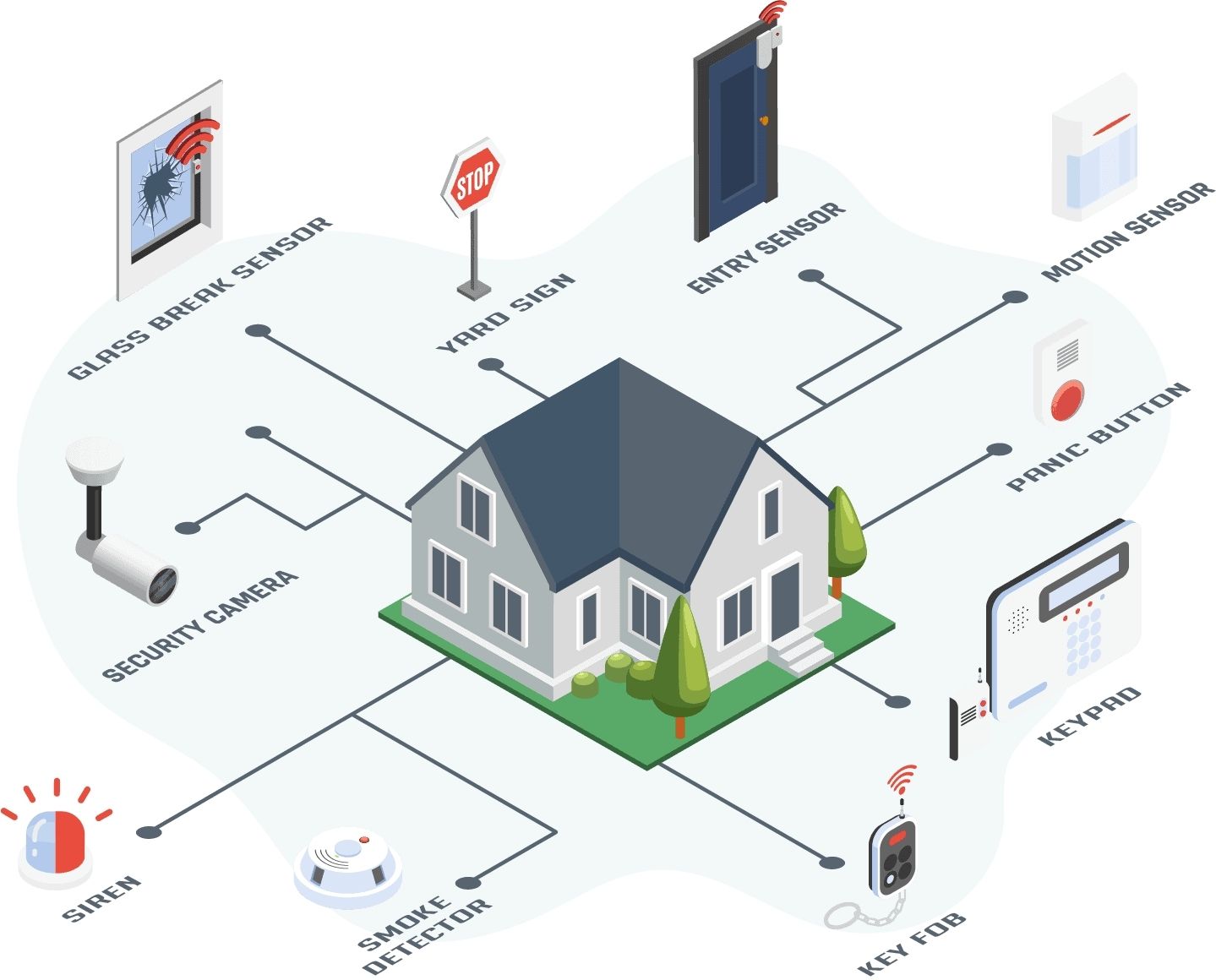
- Door and Window Sensors: These small, unobtrusive devices detect when a door or window is opened or closed. When armed, they send an immediate alert to your phone.
- Motion Sensors: Utilizing infrared technology, these sensors detect movement within a room or area. Many can be customized to ignore pets, preventing unnecessary alerts.
- Glass Break Sensors: These sophisticated sensors listen for the distinct sound of breaking glass, offering an extra layer of protection for vulnerable windows.
- Environmental Sensors: Beyond security, smart homes can monitor for hazards like smoke, carbon monoxide, and water leaks, alerting you to potential disasters before they escalate.
-
Smart Locks: The Key to Convenience (and Concern): Keyless entry is no longer a futuristic dream. Smart locks allow you to lock and unlock your doors remotely via your smartphone, grant temporary access to guests or service providers, and even set schedules for when certain codes are valid. They offer unparalleled convenience, but also raise significant security questions that we’ll explore later.
-
The Central Hub: The Brain of the Operation: Most smart security systems are controlled by a central hub or base station. This device acts as the communication nexus, connecting all your sensors, cameras, and other smart devices. It’s typically connected to your home’s Wi-Fi network and often has a cellular backup to ensure functionality even during power outages or internet disruptions.
-
The Mobile App: Your Command Center: The smartphone app is your primary interface with your smart home security system. It allows you to arm/disarm the system, view live camera feeds, receive alerts, manage user access, and customize settings – all from the palm of your hand.
The Unforeseen Benefits: More Than Just Protection
While the primary motivation for installing a smart home security system is undoubtedly safety, the benefits extend far beyond simply deterring intruders. The intelligence and connectivity of these systems unlock a wealth of advantages:
-
Unparalleled Remote Access and Control: This is perhaps the most significant benefit. Whether you’re at work, on vacation, or just out for dinner, you have complete oversight of your home. You can check on children, ensure pets are safe, or even confirm that you locked the door after leaving in a hurry. This constant connectivity offers an unprecedented level of reassurance.
-
Enhanced Convenience and Automation: Smart security systems seamlessly integrate with other smart home devices. Imagine your system disarming automatically as you approach your home, your entryway lights turning on, and your thermostat adjusting to your preferred temperature. This level of automation creates a truly responsive and comfortable living environment.
-
Deterrence Through Visibility: The presence of visible smart cameras and security system signage can be a powerful deterrent to potential criminals. The knowledge that their actions are being recorded and that the home is protected can make them think twice.
-
Reduced False Alarms and Smarter Alerts: Advanced systems with AI capabilities can distinguish between a genuine threat and a false alarm, such as a pet triggering a sensor or a gust of wind rattling a window. This means you receive alerts that are more meaningful and less likely to cause unnecessary panic.
-
Potential Insurance Discounts: Many home insurance providers offer discounts for homes equipped with monitored security systems. This can help offset the initial cost of the system.
-
Peace of Mind for Loved Ones: For families, especially those with elderly relatives or young children, smart home security provides an invaluable layer of reassurance. Knowing you can quickly check in, receive alerts in case of an emergency, or even communicate remotely can significantly alleviate stress.
The Dark Side of the Digital Fortress: Critical Vulnerabilities You CANNOT Ignore
Now, let’s address the elephant in the room. The very interconnectedness that makes smart home security so powerful also presents a unique set of vulnerabilities. The "digital fortress" can, in certain circumstances, become a "Trojan horse."
-
The Cybersecurity Conundrum: Hacking and Unauthorized Access: This is the most significant concern. Like any internet-connected device, smart home security systems are susceptible to hacking. If a hacker gains access to your network or your system’s account, they could:
- Disarm your system: Rendering your home defenseless.
- View camera feeds: Invading your privacy and potentially observing your daily routines.
- Unlock smart locks: Gaining physical access to your home.
- Disable alerts: Preventing you from knowing your home is compromised.
-
The Weak Link: Your Wi-Fi Network: Your home’s Wi-Fi network is the backbone of your smart security system. If your Wi-Fi is not secured with a strong, unique password and up-to-date encryption (like WPA2 or WPA3), it becomes an easy entry point for hackers.
-
Password Pitfalls: The Human Element: Weak, default, or reused passwords for your security system account or your Wi-Fi are a hacker’s best friend. A simple brute-force attack can quickly crack these easily guessable credentials.
-
Outdated Software and Firmware: A Digital Open Door: Manufacturers regularly release software updates to patch security vulnerabilities. Failing to update your smart devices and their firmware leaves them exposed to known exploits.
-
Privacy Concerns: Who’s Watching the Watchers? While you’re using cameras to monitor your home, there’s always the possibility that the data being collected could be accessed by unauthorized parties, including the manufacturer or even government entities, depending on their policies and the legal framework.
-
Reliance on Cloud Services: The Single Point of Failure: Many smart security systems rely on cloud servers for data storage, remote access, and processing. If these servers go down, or if the company experiences a data breach, your entire system could be compromised or rendered inoperable.
-
Device Compatibility and Interoperability Issues: Not all smart devices play nicely together. Compatibility issues can lead to system instability, and sometimes, a poorly designed integration can create a security loophole.
Navigating the Smart Security Landscape: Your Essential Checklist
The idea of smart home security shouldn’t deter you; it should empower you. By understanding the risks and taking proactive steps, you can build a truly secure and intelligent sanctuary. Here’s your essential checklist for making informed decisions:
-
Research, Research, Research! Before you buy anything, dive deep into reviews, security audits, and independent testing. Look for brands with a strong reputation for cybersecurity and a track record of addressing vulnerabilities promptly.
-
Prioritize Strong Network Security:
- Secure your Wi-Fi: Use a strong, unique password with WPA2 or WPA3 encryption.
- Consider a separate network: For your IoT devices, consider setting up a guest network or a dedicated IoT network to isolate them from your main network.
- Enable your router’s firewall: Ensure it’s properly configured.
-
Master Your Passwords:
- Unique and Complex: Use strong, unique passwords for your security system account, your Wi-Fi, and any associated apps.
- Two-Factor Authentication (2FA): This is non-negotiable. Enable 2FA on your security system account and any other connected services. This adds an extra layer of security, requiring a second form of verification (like a code sent to your phone) in addition to your password.
- Password Manager: Consider using a reputable password manager to generate and store strong, unique passwords.
-
Keep Everything Updated:
- Firmware Updates: Regularly check for and install firmware updates for your router, smart hub, cameras, and all other connected devices. Many systems have an auto-update feature – enable it.
- App Updates: Keep your mobile apps for your security system and other smart devices updated to the latest versions.
-
Understand Privacy Policies: Read the privacy policies of your security system provider. Understand what data they collect, how it’s stored, and who has access to it.
-
Be Mindful of Device Placement: Position cameras in areas where you want to monitor activity, but be mindful of privacy in areas like bedrooms or bathrooms.
-
Consider Professional Monitoring: While self-monitoring offers convenience, professional monitoring services provide an added layer of security, with trained professionals who can dispatch authorities in case of an alarm.
-
Regularly Audit Your System: Periodically review your system’s settings, connected devices, and user access. Remove any old or unused devices and ensure only authorized individuals have access.
-
Backup Solutions: For critical data, consider cloud storage options that offer robust security and encryption.
The Future is Smart, and It Needs to Be Secure
Smart home security systems are no longer a luxury; they are rapidly becoming an integral part of modern living. They offer an unprecedented combination of convenience, control, and protection. However, the promise of a digital fortress can only be realized if we approach this technology with a healthy dose of caution and a commitment to robust cybersecurity practices.
The astonishing truth is that your smart home security system is only as strong as its weakest link. By educating yourself, implementing strong security measures, and staying vigilant, you can ensure that your smart home truly is a sanctuary, a place of unparalleled safety and peace of mind, rather than a digital vulnerability waiting to be exploited. The future of home security is undeniably smart, but its true strength lies in its unwavering security. Are you ready to build yours?


Leave a Comment
You must be logged in to post a comment.