
You’ve scrolled through countless Pinterest boards, meticulously curated Instagram feeds, and perhaps even flipped through glossy magazines. You’ve dreamt of that perfectly styled living room, that serene bedroom sanctuary, that kitchen that looks like it stepped out of a magazine spread. You’ve invested time, money, and a whole lot of creative energy into crafting your ideal home. But lately, something feels… off. Instead of tranquility, there’s a subtle hum of unease. Instead of calm, there’s a nagging feeling of being overwhelmed.
The culprit? It might not be a lack of effort, but rather a silent saboteur that’s crept into your carefully chosen decor: clutter. And not just the obvious piles of junk, but the insidious, often disguised clutter that masquerades as "decoration."
We’re talking about the seemingly innocent trinkets, the "meaningful" mementos, the "useful" storage solutions that have become more of a burden than a blessing. This isn’t about minimalism for the sake of it; it’s about understanding how seemingly innocuous decorative choices can actually work against your well-being, your productivity, and the very aesthetic you’re striving for.
Let’s pull back the curtain on the Clutter Conspiracy and reveal how your beautiful home might be holding you hostage, and more importantly, how to reclaim your space and your sanity.
The Illusion of "Decoration": When More Isn’t More
We’re conditioned to believe that a home needs "stuff" to feel lived-in, personal, and stylish. We fill shelves with picture frames, coffee tables with stacks of books and magazines, and countertops with an array of decorative objects. Each item, in its own right, might be beautiful or hold sentimental value. But when these items multiply, and when their placement isn’t thoughtfully considered, they cease to be decorative elements and become visual noise.
Think about it:
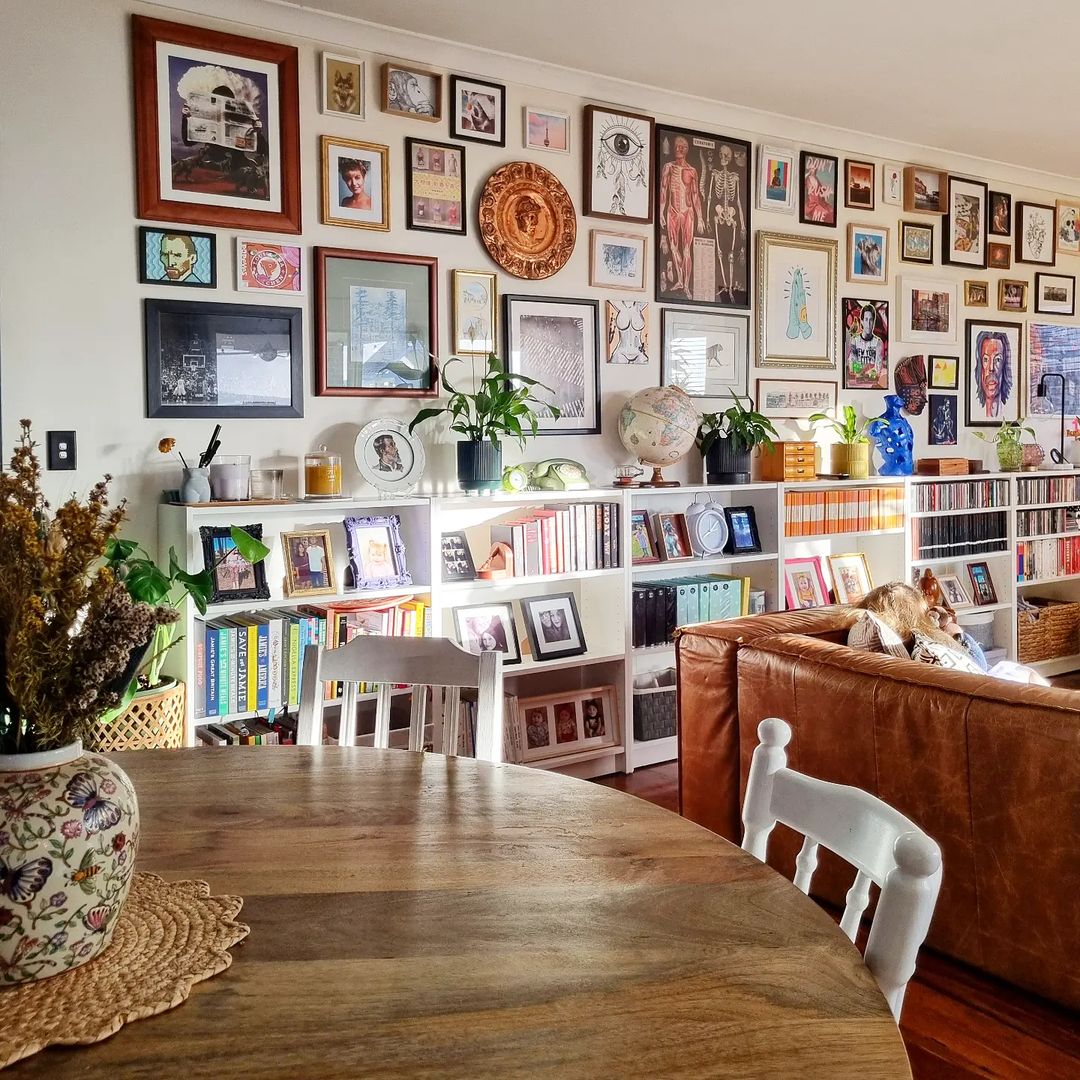
- The "Sentimental" Minefield: We love our memories. Family photos, souvenirs from trips, gifts from loved ones – these are all precious. But when every surface is adorned with these items, they lose their individual impact. Instead of evoking fond memories, they create a sense of being bombarded. Imagine a wall covered in a hundred framed photos. While each photo is a cherished moment, the sheer volume makes it impossible to appreciate any single one. This is a prime example of decorative clutter.
- The "Curated" Collection That Got Out of Hand: You started a small collection of vintage teacups, or perhaps a few artisanal ceramic vases. It was a charming addition. Then, you found a few more at an antique fair, and then another online. Suddenly, your display cabinet is overflowing, and the individual pieces are lost in the sheer quantity. What was once a tasteful accent has become a visual jumble.
- The "Functional" Decor That Isn’t: Baskets are wonderful for storage. Decorative boxes can hide unsightly remotes. But when these "functional" items are themselves filled to the brim with things that should be put away properly, they become part of the problem. A beautifully woven basket overflowing with mail and stray papers isn’t décor; it’s a cleverly disguised mess.
The core issue here is the lack of intentionality. We acquire and display items without a clear purpose or a cohesive vision. We fall prey to impulse buys, the allure of "sales," or the pressure to fill empty spaces. And before we know it, our homes transform from curated sanctuaries into unintentional storage units for decorative clutter.
The Psychological Toll of Decorative Clutter: It’s Not Just About Aesthetics
The impact of clutter goes far beyond the visual. Research has consistently shown a strong link between clutter and our mental well-being. And while we often associate this with physical disorganization, decorative clutter can be just as detrimental, if not more so, because it’s often harder to identify and address.
- Increased Stress and Anxiety: A cluttered environment can trigger a constant low-level stress response. Your brain is constantly processing visual information, and when that information is disorganized and overwhelming, it can lead to feelings of anxiety, frustration, and a general sense of unease. That "off" feeling you’ve been experiencing? It’s likely your subconscious screaming at the visual chaos.
- Reduced Focus and Productivity: When your surroundings are visually cluttered, your attention is constantly being pulled in different directions. This makes it harder to concentrate on tasks, whether it’s working from home, reading a book, or simply enjoying a quiet moment. Imagine trying to focus on a complex project with a hundred tiny objects vying for your attention on your desk.
- Feelings of Being Overwhelmed and Out of Control: Clutter can create a sense of being overwhelmed by your possessions. It can make you feel like your things are controlling you, rather than the other way around. This can lead to feelings of helplessness and a lack of motivation to tackle larger issues in your life.
- Impact on Mood and Sleep: A cluttered bedroom, for example, can make it difficult to relax and unwind, leading to sleep disturbances. Similarly, a perpetually messy living space can contribute to feelings of depression and low mood.
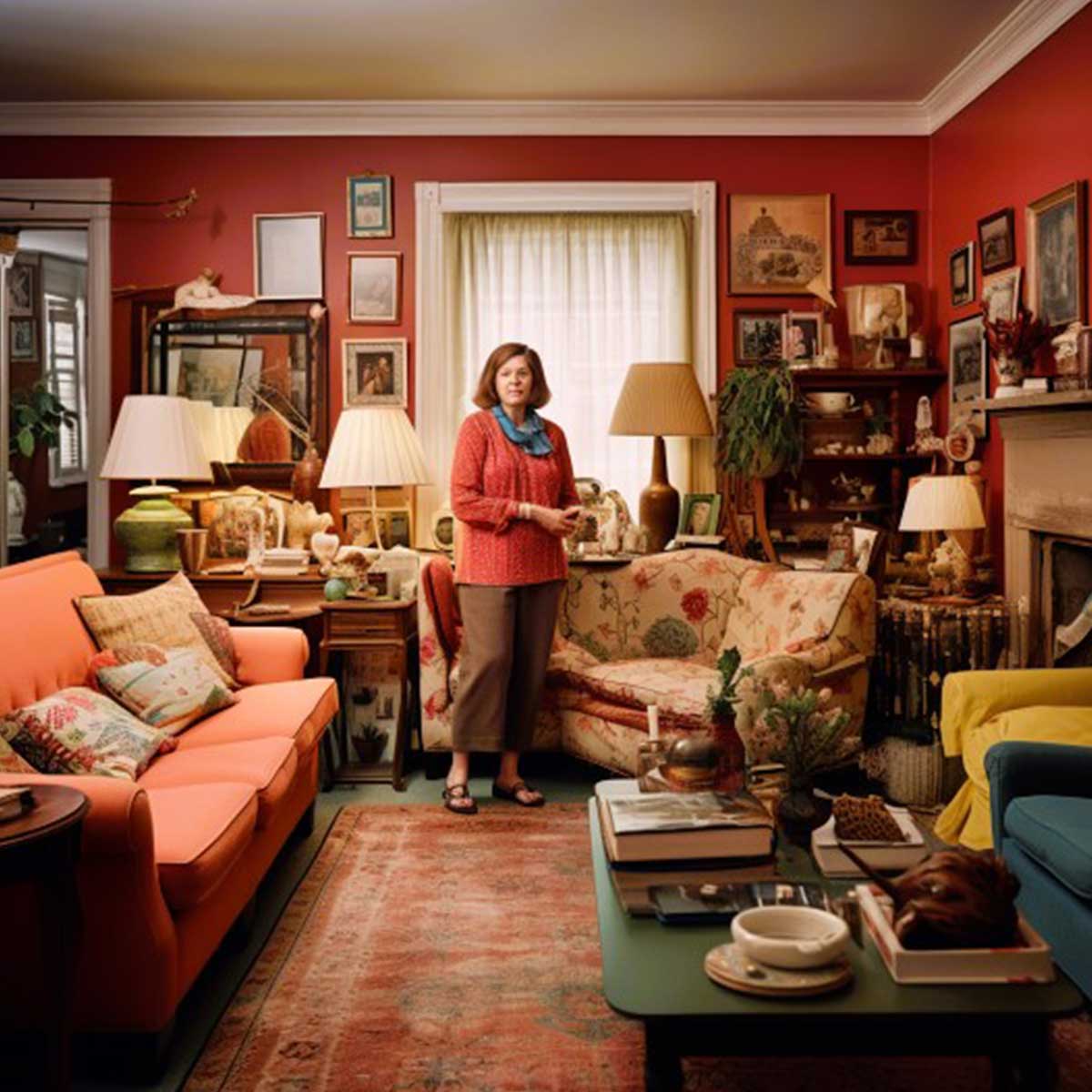
The irony is that we often use decorative items to create a sense of calm and beauty, but when these items become clutter, they achieve the exact opposite. They become a constant, subtle reminder of unfinished business, of things that aren’t quite right, and of a space that doesn’t feel truly restful.
The "Clickbait" Culprits: Common Decorative Clutter Traps You Might Be Falling Into
Let’s get specific. What are the most common decorative elements that can easily morph into clutter? Be honest with yourself – you might be surprised by how many of these resonate.
-
The Gallery Wall Gone Wild: A few well-placed frames can be stunning. But when you start adding every picture you’ve ever taken, every postcard you’ve ever received, and every motivational quote you’ve ever seen, it becomes a visual cacophony. The individual pieces lose their impact, and the wall itself feels overwhelming.
- The Clickbait Twist: "Your Beloved Gallery Wall is Secretly Making You Depressed (Here’s Why!)"
-
The Coffee Table Clutter Syndrome: Stacks of magazines you plan to read, trinkets from every vacation, a multitude of remote controls, and perhaps a decorative bowl filled with… well, who knows what? The coffee table is a prime target for clutter because it’s a central, highly visible surface.
- The Clickbait Twist: "Is Your Coffee Table a Black Hole for Your Sanity? The Shocking Truth!"
-
The Countertop Chaos: Kitchen countertops are notorious for accumulating clutter. While some items are necessary for daily use, many are decorative additions that serve no real purpose and simply add to the visual mess. Think decorative spice racks overflowing with unused spices, or an abundance of small appliances that are rarely used.
- The Clickbait Twist: "Your Kitchen Countertops Are Stealing Your Joy (And It’s Not Just the Dishes!)"
-
The "Shelfie" Overload: Shelves are designed to display items, but it’s easy to go overboard. Too many knick-knacks, a haphazard collection of books, and an assortment of decorative objects can turn a stylish shelf into a visual minefield.
- The Clickbait Twist: "The ‘Pretty’ Shelves That Are Actually Destroying Your Peace of Mind."
-
The "Decorative" Storage That Hides Clutter: Beautiful baskets, ornate boxes, and stylish containers are great when used intentionally. But when they become dumping grounds for items that should be put away properly, they simply mask the problem, making it harder to see and address the actual clutter.
- The Clickbait Twist: "Your ‘Smart’ Storage Solutions Are Lying To You (And Making Your Home Messier!)"
-
The Overabundance of Throw Pillows and Blankets: While cozy and inviting, an excessive number of throw pillows and blankets can quickly make a sofa or bed feel cluttered and overwhelming. It’s hard to find a comfortable spot to sit when you’re constantly navigating a sea of fabric.
- The Clickbait Twist: "Is Your ‘Cozy’ Living Room Actually a Pillow Prison?"
Fighting the Clutter Conspiracy: Practical Strategies for a More Serene Space
The good news is, you can fight back! Reclaiming your space and your sanity from decorative clutter is entirely achievable with a few strategic shifts in your mindset and approach.
-
Embrace the Power of "Less is More" (Truly!): This isn’t about deprivation; it’s about intentionality. For every item you keep, ask yourself:
- Does it serve a purpose (even a decorative one)?
- Does it bring me genuine joy or evoke a positive emotion?
- Does it contribute to the overall aesthetic I’m trying to achieve?
- If I were shopping today, would I buy this again?
-
The "One In, One Out" Rule for Decorative Items: This is crucial for preventing accumulation. For every new decorative item you bring into your home, commit to letting go of an existing one. This forces you to be more thoughtful about your acquisitions.
-
Curate with Intention: The "Hero Piece" Approach: Instead of displaying every single item you own, focus on a few "hero pieces" that truly stand out and have meaning. Give these items space to breathe and be appreciated. Group similar items together thoughtfully, rather than scattering them everywhere.
-
Create "Zones" of Calm: Designate specific areas in your home as "clutter-free zones." This could be your bedside table, a corner of your desk, or even a clear surface in your kitchen. These zones act as visual respites and can significantly reduce feelings of overwhelm.
-
Declutter Regularly, Not Just When It Becomes a Crisis: Make decluttering a regular habit, not a monumental undertaking. Spend 15-30 minutes each week going through one area or category of decorative items. This prevents clutter from building up to overwhelming levels.
-
Embrace Negative Space (The Unsung Hero of Design): Empty space is not a void to be filled; it’s an essential element of good design. It allows the items you do choose to display to shine. Don’t be afraid of blank walls or uncluttered surfaces.
-
Re-evaluate Your "Sentimental" Items: If you’re holding onto items out of obligation or guilt, it’s time to let them go. Take photos of them, or write down the memories associated with them. You can also create a dedicated "memory box" for truly special items, rather than displaying them all.
-
Think About Scale and Proportion: An abundance of small, fussy objects can feel more cluttered than a few larger, well-chosen pieces. Consider the scale of your decorative items in relation to the space they inhabit.
The Ultimate Payoff: A Home That Serves You, Not The Other Way Around
The Clutter Conspiracy is real, but it doesn’t have to win. By understanding how seemingly innocent decorative choices can contribute to clutter and by implementing intentional strategies, you can transform your home from a source of stress into a sanctuary of peace and beauty.
Imagine walking into your home after a long day and feeling an immediate sense of calm. Imagine being able to focus, relax, and truly enjoy your surroundings. This isn’t a pipe dream; it’s the achievable reality when you consciously curate your decor and banish the insidious decorative clutter.
So, are you ready to break free from the Clutter Conspiracy and create a home that truly nourishes your soul? The first step is recognizing the subtle signs, and the next is taking action. Your sanity, and your beautifully styled home, will thank you for it.



Leave a Comment
You must be logged in to post a comment.