
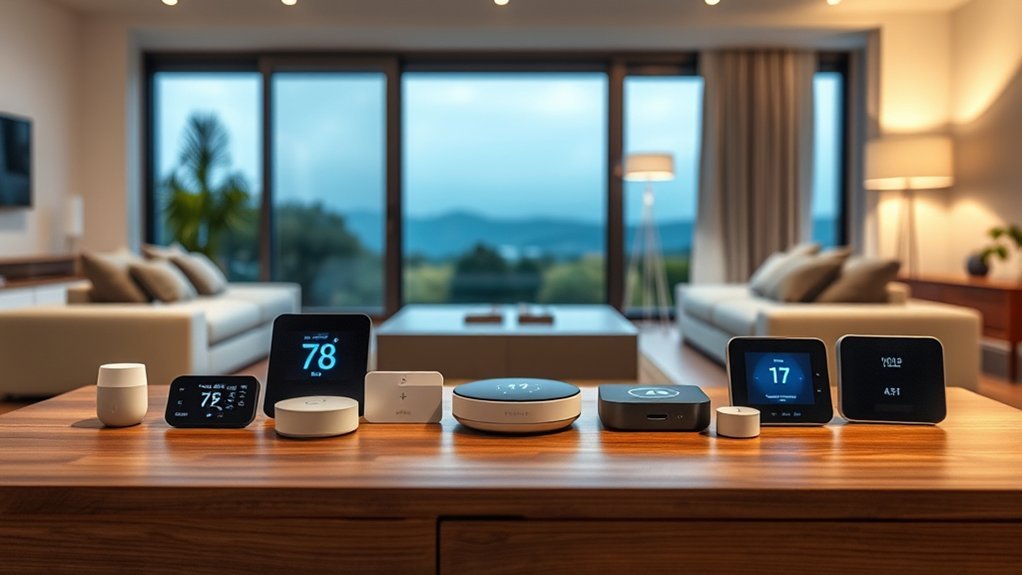
Are you tired of juggling multiple apps to control your lights, thermostat, and security system? Do you dream of a home that anticipates your needs, a sanctuary of seamless automation and effortless living? If you’ve ever felt overwhelmed by the fragmented landscape of smart home technology, then prepare to have your mind blown. The secret to unlocking true smart home bliss isn’t a collection of individual gadgets, but a single, powerful Smart Home Hub.
In this comprehensive guide, we’re diving deep into the world of these unsung heroes. We’ll reveal the best smart home hubs that are revolutionizing the way we interact with our living spaces. Forget complicated setups and confusing interfaces; we’re talking about technology so intuitive, so powerful, it will make you wonder how you ever lived without it. Get ready to discover how a smart home hub can transform your house into an intelligent, responsive, and unbelievably convenient haven.
What Exactly is a Smart Home Hub, and Why Do You NEED One?
Imagine your smart home devices as individual musicians, each playing their own tune. Without a conductor, it’s chaos. A smart home hub is that conductor. It’s the central nervous system of your smart home, a device that acts as a translator and orchestrator, allowing all your disparate smart gadgets to communicate with each other and with you.
Here’s why a hub is no longer a luxury, but a necessity for anyone serious about smart home living:
- Unified Control: The biggest pain point of a fragmented smart home is managing multiple apps. A hub consolidates control, allowing you to manage everything from a single app or voice command. No more switching between Philips Hue, Nest, Ring, and Alexa apps!
- Interoperability: Different smart home ecosystems often struggle to work together. A hub bridges these gaps, enabling devices from different brands to interact. Think of your smart lock unlocking your door and simultaneously turning on your entryway lights.
- Advanced Automation: This is where the magic truly happens. Hubs allow you to create sophisticated routines and scenes. Imagine a "Good Morning" scene that slowly brightens your bedroom lights, starts your coffee maker, and reads you the day’s news. Or a "Movie Night" scene that dims the lights, closes the blinds, and turns on your entertainment system.
- Enhanced Security and Privacy: Many hubs offer local processing for certain commands, meaning your data doesn’t always have to travel to the cloud, enhancing privacy. They can also act as a central point for monitoring security devices, sending alerts, and even triggering automated responses.
- Future-Proofing: As the smart home market evolves, new devices and protocols emerge. A good hub is designed to adapt and integrate with future technologies, ensuring your investment remains relevant.
- Voice Control Integration: While many smart devices have their own voice assistants, a hub allows for more nuanced and complex voice commands that can control multiple devices simultaneously.
The Contenders: Our Top Picks for the Best Smart Home Hubs
The market for smart home hubs is diverse, with options catering to different needs, budgets, and technical aptitudes. After extensive research, testing, and consideration of user reviews, here are our top recommendations for the best smart home hubs that will redefine your home experience:
1. Samsung SmartThings Hub (Gen 3): The Versatile Powerhouse
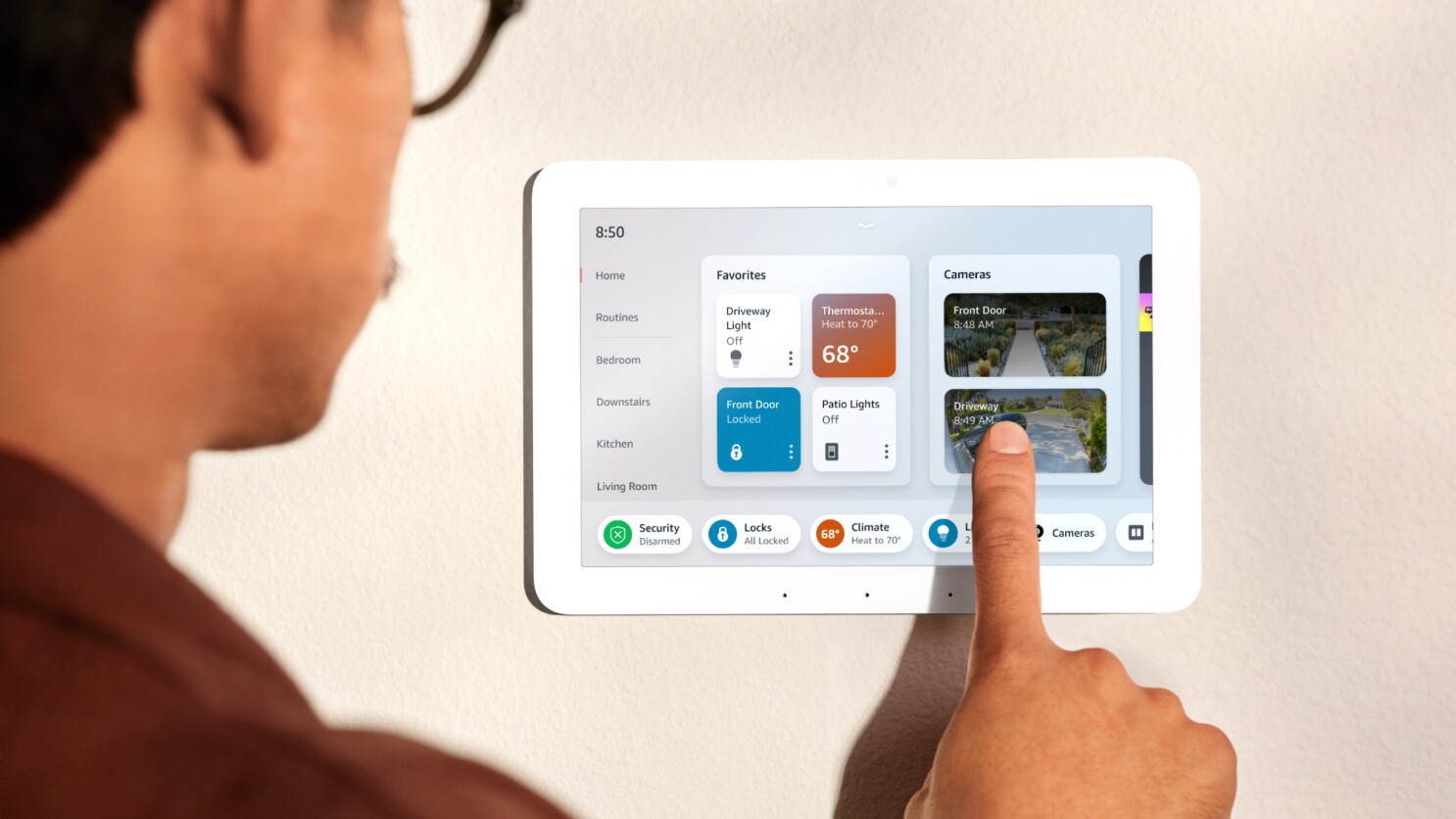
Why it’s a game-changer: SmartThings has long been a leader in the smart home space, and the Gen 3 hub solidifies its position. Its incredible versatility and broad compatibility make it an excellent choice for beginners and advanced users alike.
Key Features and Benefits:
- Unparalleled Compatibility: SmartThings supports a vast array of protocols, including Zigbee, Z-Wave, Wi-Fi, and even Wi-Fi 6. This means it can connect to an astonishing number of devices from virtually every major brand.
- Intuitive App Interface: The SmartThings app is well-designed and user-friendly, making it easy to set up devices, create automations, and monitor your home.
- Powerful Automation Capabilities: The platform allows for complex "automations" (their term for routines) with conditional triggers and actions. You can create sophisticated scenarios that adapt to your lifestyle.
- Local Processing for Key Functions: While cloud connectivity is essential, SmartThings has been increasingly focusing on local processing for certain automations, improving responsiveness and privacy.
- Voice Assistant Integration: Seamless integration with Amazon Alexa and Google Assistant means you can control your entire smart home with your voice.
- Geofencing Capabilities: Automations can be triggered based on your location, like turning off lights when you leave home or turning them on when you arrive.
Who it’s for: Anyone looking for a highly compatible, powerful, and user-friendly hub that can grow with their smart home needs. It’s a fantastic all-rounder.
2. Apple HomePod (with HomeKit): The Seamless Ecosystem Enforcer
Why it’s a game-changer: If you’re deeply embedded in the Apple ecosystem, the HomePod (and its smaller sibling, the HomePod Mini) is the undisputed king of best smart home hubs for your Apple devices. It offers an unparalleled level of integration and security for HomeKit-certified accessories.
Key Features and Benefits:
- Superior HomeKit Integration: For HomeKit devices, the HomePod offers a level of integration and responsiveness that other hubs struggle to match. Setup is incredibly simple.
- Privacy-Focused: Apple prioritizes user privacy, and HomeKit operates with a strong emphasis on on-device processing for many commands, with encrypted communication.
- Exceptional Audio Quality: Beyond its smart home capabilities, the HomePod is a premium smart speaker, delivering rich, room-filling sound.
- Seamless Siri Integration: Control your HomeKit devices with natural language commands through Siri.
- Home Hub Functionality: When you have multiple HomePods or iPads set up as home hubs, you can control your HomeKit devices remotely, receive notifications, and even set up home automations.
- Thread and Matter Support: Newer HomePods are equipped with Thread and Matter support, ensuring compatibility with the next generation of smart home standards.
Who it’s for: Dedicated Apple users who want the most seamless, secure, and integrated smart home experience possible.
3. Amazon Echo (with Alexa as a Hub): The Voice Control Champion
Why it’s a game-changer: While not a dedicated hub in the traditional sense, newer Amazon Echo devices with built-in Zigbee hubs have transformed them into powerful, accessible smart home controllers, especially for those already invested in the Alexa ecosystem.
Key Features and Benefits:
- Built-in Zigbee Hub: Many Echo devices (like the Echo Plus, Echo Show 10, and newer standard Echos) have an integrated Zigbee hub, allowing you to connect compatible devices directly without a separate hub.
- Vast Alexa Ecosystem: Leverage the power of Alexa’s extensive skills and voice command capabilities to control your smart home.
- Simplified Setup: For Zigbee devices, setup is often as simple as saying, "Alexa, discover devices."
- Routines and Automations: Create custom Alexa Routines to automate tasks based on voice commands, time of day, or even the status of other devices.
- Widely Available and Affordable: Echo devices are readily available and often on sale, making them an accessible entry point into smart home control.
- Matter Compatibility (with updates): Amazon is actively integrating Matter support into its Echo devices, further enhancing their future-proofing.
Who it’s for: Users who prioritize voice control, are already invested in the Alexa ecosystem, and want a simple, affordable way to manage a growing number of smart devices.
4. Hubitat Elevation: The Local Control Enthusiast’s Dream
Why it’s a game-changer: For those who value privacy, speed, and robust local control above all else, the Hubitat Elevation is the undisputed champion. It keeps your automations running directly on the device, not in the cloud.
Key Features and Benefits:
- 100% Local Control: This is Hubitat’s killer feature. All automations, device communication, and processing happen locally on the hub, meaning your smart home works even if your internet goes down.
- No Cloud Dependency: Eliminates privacy concerns associated with cloud-based systems and ensures faster response times.
- Robust Automation Engine: Hubitat offers a powerful and flexible rule-making engine that allows for incredibly complex and nuanced automations.
- Broad Protocol Support: Supports Zigbee, Z-Wave, and Wi-Fi devices, offering excellent compatibility.
- Active and Knowledgeable Community: The Hubitat community forum is a treasure trove of information, support, and custom drivers.
- Developer-Friendly: For those with coding inclinations, Hubitat offers ways to customize and extend its functionality.
Who it’s for: Advanced users, DIY enthusiasts, and privacy-conscious individuals who want complete control over their smart home without relying on the cloud.
Choosing the Right Hub for YOU: Factors to Consider
With the best smart home hubs identified, how do you pick the one that’s perfect for your home? Consider these key factors:
- Your Existing Devices and Ecosystem: Are you heavily invested in Apple, Amazon Alexa, or Google Home? This will heavily influence your choice.
- Protocols Supported: Ensure the hub supports the protocols your current and future smart devices use (Zigbee, Z-Wave, Wi-Fi, Thread, Matter).
- Ease of Use vs. Power: Do you want a plug-and-play experience, or do you crave granular control and advanced customization?
- Privacy Concerns: If local control and minimal cloud dependency are important, Hubitat or HomeKit might be your best bet.
- Budget: Hubs range in price from affordable Echo devices to more premium options.
- Future-Proofing: Look for hubs that support emerging standards like Matter.
The Future is Smart, and Your Hub is the Key
The world of smart homes is no longer a distant futuristic fantasy; it’s here, and it’s more accessible and powerful than ever before. By investing in one of the best smart home hubs, you’re not just buying a gadget; you’re investing in convenience, security, efficiency, and a truly intelligent living experience.
Stop wrestling with multiple apps and embrace the seamless power of a unified smart home. The journey to a smarter, more automated home starts with the right hub. So, which one will you choose to unlock your home’s full potential? The answer might just surprise you with how simple and transformative it can be!




Leave a Comment
You must be logged in to post a comment.