
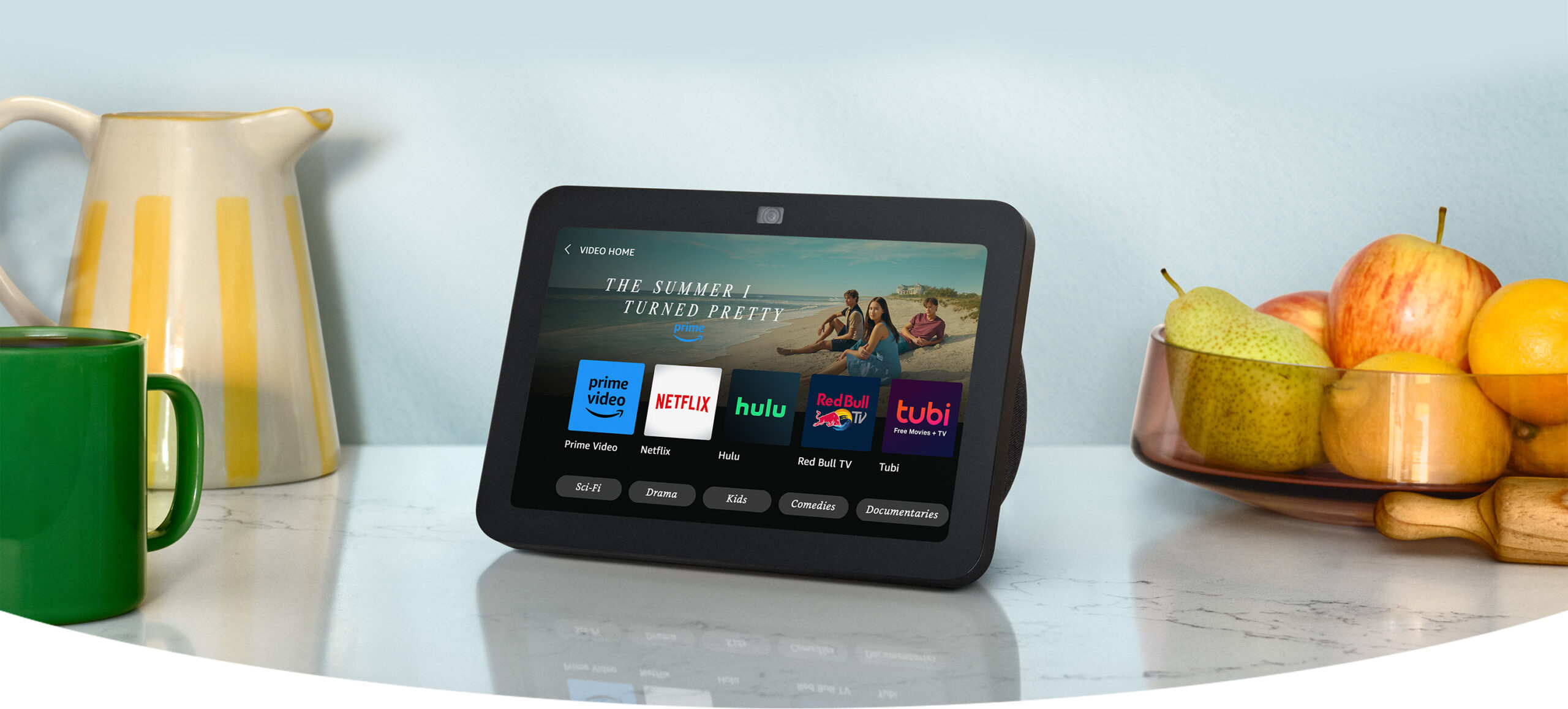
You’ve got an Amazon Echo. It plays your music, tells you the weather, and maybe even sets a timer or two. But is that really all it can do? What if I told you that your sleek little cylinder is actually the key to unlocking a truly intelligent, seamlessly connected home – a home that anticipates your needs, simplifies your life, and might even make you feel like you’re living in the future?
For too long, many Echo owners have treated their devices as glorified Bluetooth speakers. They’ve tapped into a fraction of its potential, unaware of the incredible power lurking beneath the surface. The secret? Pairing your Echo with a smart home hub. This isn’t just a trendy gadget; it’s the conductor of your smart home orchestra, and your Echo is the lead singer.
If you’re ready to move beyond basic voice commands and transform your living space into a responsive, automated sanctuary, then buckle up. This article is your definitive guide to understanding the magic of Echo with a smart home hub. We’re about to reveal how this dynamic duo can revolutionize your daily routine, enhance your security, save you money, and frankly, make your life a whole lot cooler.
The Echo’s Hidden Potential: Beyond the Basics
Let’s be honest, the built-in capabilities of an Echo are impressive. "Alexa, play my morning playlist." "Alexa, what’s the traffic like?" "Alexa, set a reminder for my doctor’s appointment." These are all fantastic conveniences. However, these functions operate in a silo. They don’t interact with each other, nor do they leverage the full interconnectedness that a smart home ecosystem is designed for.
Think of it this way: your Echo is like a highly intelligent individual with a vast knowledge base. But without a way to communicate and orchestrate with others (your smart lights, thermostat, locks, etc.), its intelligence remains largely theoretical. It can tell you about the weather, but it can’t act on it by automatically adjusting your thermostat. It can turn on a light, but it can’t integrate that action into a "goodnight" routine that also locks your doors and arms your security system.
Enter the Smart Home Hub: The Brains Behind the Operation
This is where the smart home hub enters the picture. While some newer Echo devices have some rudimentary hub-like capabilities (like built-in Zigbee hubs), the true power comes from a dedicated, robust hub that acts as the central nervous system for your entire smart home.
What exactly is a smart home hub? In essence, it’s a device that bridges the communication gap between different smart home devices that might use different wireless protocols (like Wi-Fi, Zigbee, Z-Wave, Bluetooth). It allows them to “talk” to each other, be controlled from a single app or interface, and most importantly, to work together in automated routines.
Why Your Echo Needs a Smart Home Hub (and Why You Might Not Realize It Yet)
You might be thinking, "But I can control my smart lights with Alexa already!" And yes, you can. But can you:
- Create truly complex automations? Imagine this: as you drive home, your Echo, connected to your location services and your smart home hub, triggers your porch lights to turn on, your thermostat to adjust to your preferred temperature, and your smart lock to disarm. This level of sophisticated, context-aware automation is often beyond the direct capabilities of an Echo alone.
- Integrate devices from different brands seamlessly? Many smart home devices don’t natively speak the same language. A smart bulb from Brand A might not directly communicate with a smart plug from Brand B. A smart home hub acts as a universal translator, allowing these disparate devices to work harmoniously.
- Enhance security beyond basic alerts? With a hub, you can create intricate security routines. For instance, if a motion sensor detects movement while your system is armed, the hub can instruct your Echo to play a loud deterrent sound, turn on all the lights, and send you an immediate alert, all simultaneously.
- Improve responsiveness and reliability? Relying solely on Wi-Fi for all your smart devices can sometimes lead to lag or dropped connections, especially if your Wi-Fi network is congested. Hubs often utilize protocols like Zigbee and Z-Wave, which create their own mesh networks, offering a more stable and responsive experience.
- Unlock advanced voice commands? While Alexa is great, a hub can interpret more nuanced commands by understanding the context of your request within your smart home setup. Instead of saying "Alexa, turn on the living room lights," you might be able to say "Alexa, make it cozy in here," and the hub, understanding your pre-set "cozy" scene, will dim the lights, adjust the temperature, and perhaps even turn on a smart diffuser.
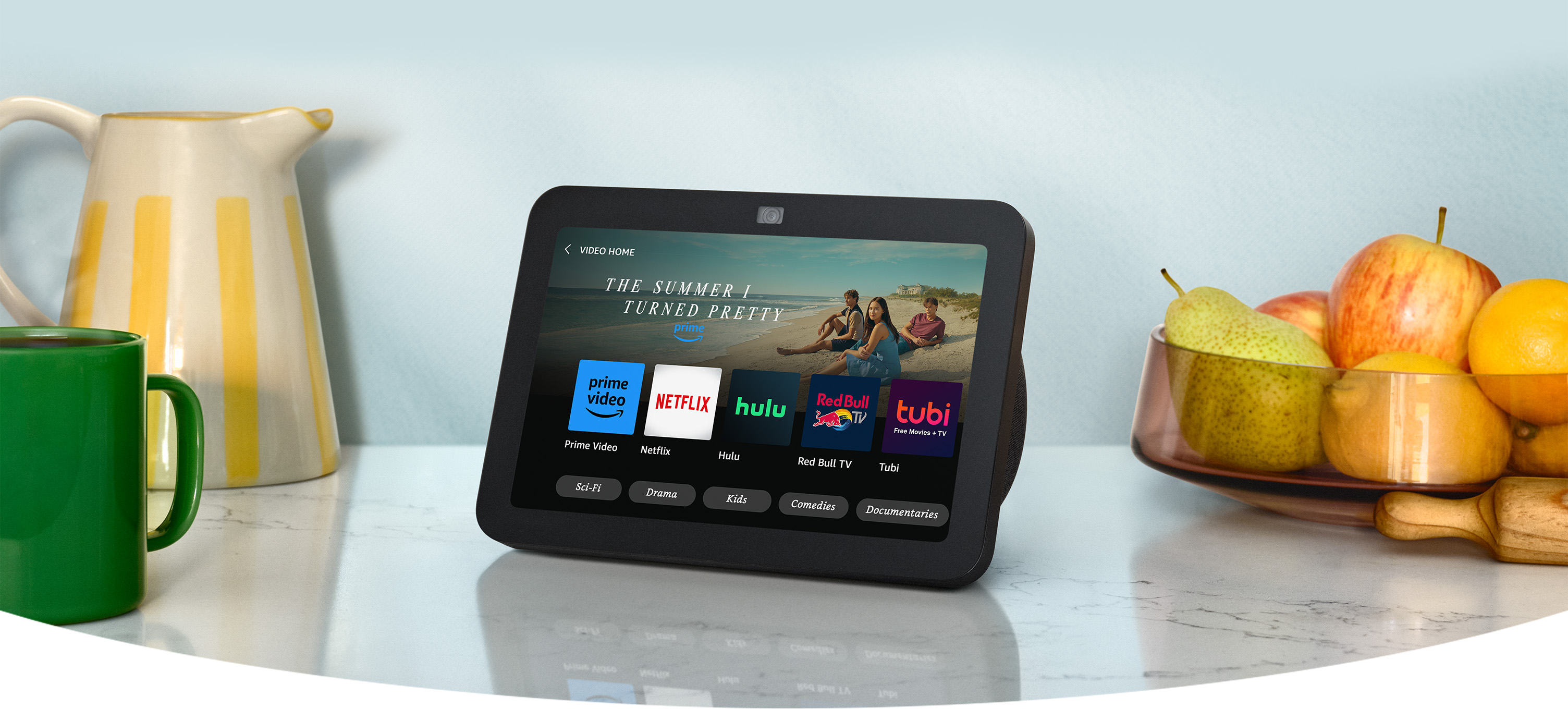
The Synergy: How Echo and a Smart Home Hub Become an Unstoppable Duo
The magic truly happens when you combine the intuitive voice control of your Echo with the robust automation and connectivity of a smart home hub.
-
Voice Control Meets Intelligent Action: Your Echo remains your primary interface for natural language commands. You speak, Alexa hears. But instead of just performing a single action, Alexa can now relay your command to the smart home hub, which then orchestrates a complex sequence of events across multiple devices.
- Example: You say, "Alexa, good morning." The hub receives this command and initiates a "morning" scene: lights in the bedroom gently fade on, the thermostat nudges up a few degrees, your smart blinds open, and your coffee maker (connected via a smart plug) starts brewing.
-
Location-Based Triggers: Imagine arriving home to a perfectly lit and comfortable house. A smart home hub, integrated with your Echo and your smartphone’s location services, can trigger automations when you leave or arrive.
- Example: As you leave, the hub triggers a "away" scene: all lights turn off, the thermostat goes into energy-saving mode, and your security system arms. When you’re within a certain radius of your home, the hub reverses this process, preparing your home for your return.
-
Sensor-Driven Automation: Smart home hubs excel at integrating with various sensors – motion, door/window, temperature, humidity, water leak, etc. This allows for proactive and reactive home management.
- Example: If a water leak sensor in the basement detects moisture, the hub can immediately instruct your Echo to announce the leak, send you an alert, and, if connected to a smart water shut-off valve, automatically turn off your main water supply.
-
Enhanced Security and Peace of Mind: The combination elevates your home security to a new level.
- Example: If your smart door sensor indicates the door has been opened while you’re away and the security system is armed, the hub can trigger your Echo to make an announcement like "Front door opened," turn on specific lights to deter intruders, and send you an immediate notification.
-
Energy Efficiency and Cost Savings: By intelligently managing your heating, cooling, and lighting based on occupancy, time of day, and even external weather conditions, a smart home hub can significantly reduce your energy consumption and utility bills.
- Example: The hub can learn your routines and automatically adjust the thermostat when you’re asleep or out, and your Echo can confirm the temperature settings with a simple voice query.
Choosing the Right Smart Home Hub for Your Echo Ecosystem
The world of smart home hubs can seem daunting, but for Echo users, certain hubs offer superior integration. Popular and highly recommended options include:
- Samsung SmartThings: Known for its broad compatibility with a vast array of devices and protocols (Zigbee, Z-Wave, Wi-Fi), SmartThings offers robust automation capabilities and excellent integration with Alexa.
- Hubitat Elevation: For those who crave local control and advanced customization, Hubitat is a powerful choice. It runs automations locally on the hub, ensuring speed and reliability even without an internet connection. It also integrates seamlessly with Alexa.
- Home Assistant (with a compatible hub): While technically software, Home Assistant can be run on dedicated hardware (like a Raspberry Pi) and integrated with a Zigbee/Z-Wave USB stick to create a highly customizable and powerful smart home hub. It offers the ultimate in flexibility and privacy, with deep integration possibilities with Alexa.
Bridging the Gap: How to Connect Your Echo to Your Hub
The process is generally straightforward:
- Set up your smart home hub: Follow the manufacturer’s instructions to get your hub up and running.
- Connect your smart devices to the hub: Pair your smart lights, plugs, sensors, etc., with your chosen hub.
- Enable the Alexa Skill for your hub: In the Alexa app, search for the specific skill associated with your smart home hub (e.g., "SmartThings," "Hubitat").
- Link your accounts: Follow the prompts to link your hub’s account with your Amazon account.
- Discover devices: Ask Alexa to "Discover devices." She will then find all the devices connected to your hub and make them controllable via voice.
The Future is Now: Are You Ready to Elevate Your Home?
If you’ve invested in an Amazon Echo, you’ve already taken a step towards a smarter home. But don’t let that potential go to waste! By pairing your Echo with a dedicated smart home hub, you’re not just adding another gadget; you’re unlocking a universe of possibilities. You’re transforming your house into a responsive, intuitive, and truly intelligent environment that works for you.
Stop settling for a speaker that just plays music. It’s time to awaken the genius within your Echo and experience the full, exhilarating potential of a connected smart home. The convenience, security, and sheer cool factor are waiting. Are you ready to unleash it?



Leave a Comment
You must be logged in to post a comment.