
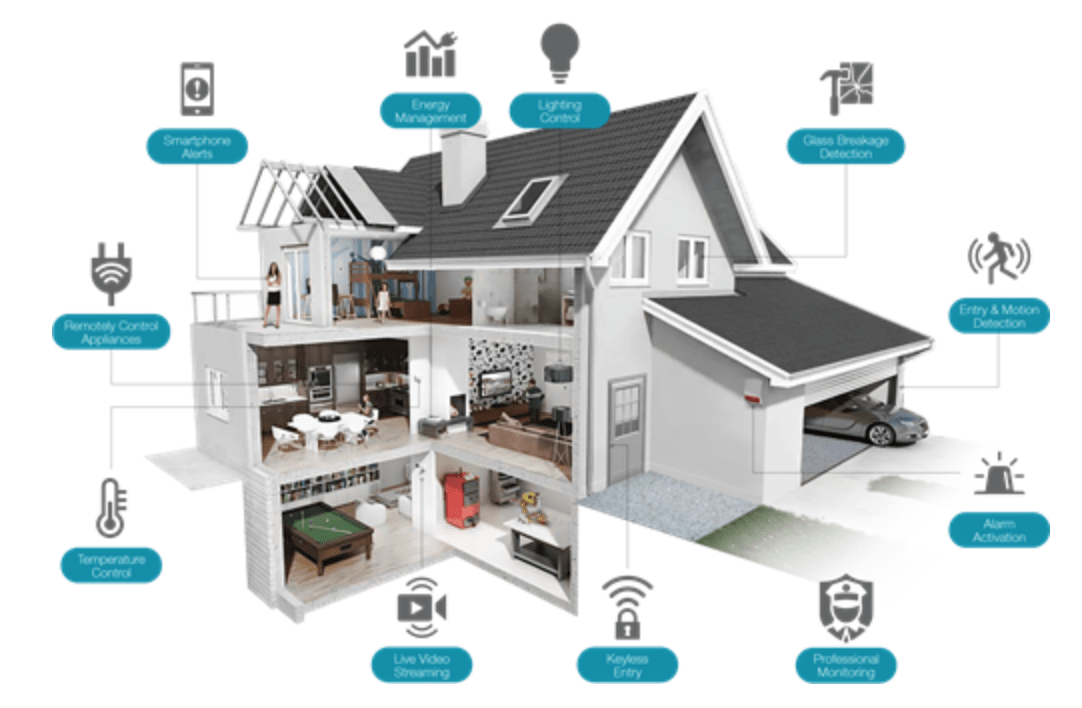
Are you tired of the mundane? Do you dream of a home that anticipates your needs, simplifies your routines, and even saves you money? The era of the "smart home" is no longer a futuristic fantasy; it’s a tangible reality, and it’s more accessible than you might think. Forget the sci-fi movies and the intimidating tech jargon. This guide is your personal roadmap to transforming your ordinary dwelling into an intelligent, responsive, and incredibly convenient living space. We’re not just talking about a few gadgets; we’re talking about a lifestyle upgrade that will make you wonder how you ever lived without it.
The "Why" Behind the Smart Home Craze: More Than Just Gadgets
Before we dive into the "how," let’s solidify the "why." Why should you embark on this journey of home automation? The benefits extend far beyond mere novelty.
- Unparalleled Convenience: Imagine waking up to your lights gently illuminating your room, your favorite playlist softly starting, and your coffee maker brewing a fresh pot – all before you even get out of bed. Smart homes automate repetitive tasks, freeing up your precious time and mental energy.
- Enhanced Security: From remote-controlled door locks and smart security cameras to motion sensors and smart smoke detectors, a smart home significantly bolsters your peace of mind. You can monitor your property from anywhere, receive instant alerts, and even grant temporary access to guests remotely.
- Energy Efficiency and Cost Savings: Smart thermostats learn your habits and adjust temperatures accordingly, preventing unnecessary energy consumption. Smart plugs can turn off devices that are drawing phantom power, and intelligent lighting systems dim or turn off lights in unoccupied rooms. Over time, these savings can add up significantly.
- Improved Comfort and Ambiance: Create the perfect atmosphere for any occasion with smart lighting. Adjust the mood, color, and brightness of your rooms with a simple voice command or a tap on your smartphone. Control your home’s climate with precision, ensuring optimal comfort year-round.
- Accessibility for All: Smart home technology can be a game-changer for individuals with mobility challenges or disabilities. Voice control, automated routines, and remote access can empower them to manage their environment independently.
- Future-Proofing Your Home: As technology evolves, so do the possibilities of smart homes. Investing in smart infrastructure now will make it easier to integrate future innovations and maintain your home’s relevance.
Your Entry Point: The Brains of the Operation (The Smart Hub)
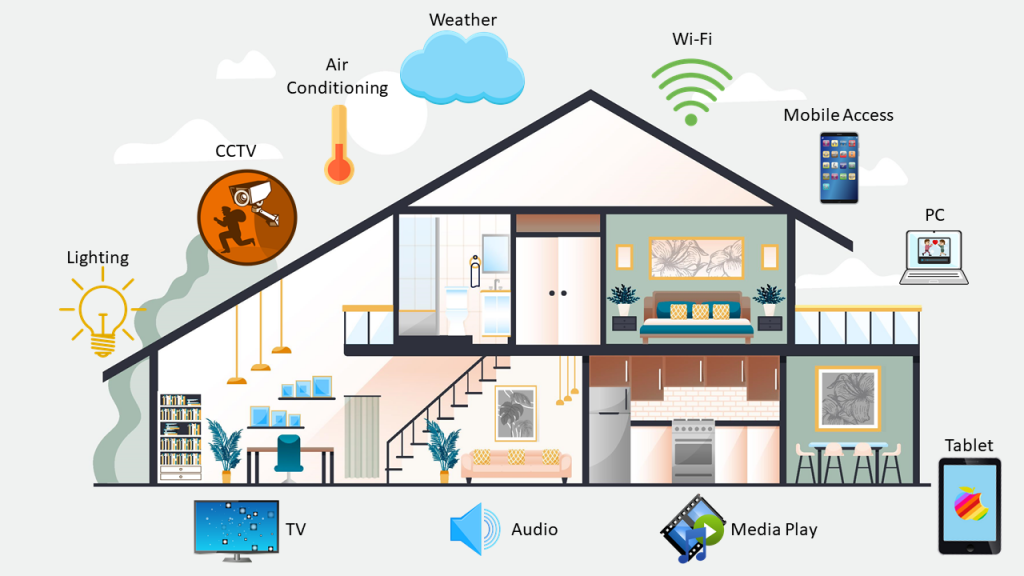
While you can start with individual smart devices, the true magic of a smart home lies in their interconnectedness. This is where the smart hub comes in. Think of it as the central nervous system of your smart home.
- What is a Smart Hub? A smart hub is a device that connects and controls various smart devices in your home. It acts as a bridge, allowing different brands and protocols (like Wi-Fi, Bluetooth, Zigbee, and Z-Wave) to communicate with each other.
- Why You Need One (Eventually): While some devices can connect directly to your Wi-Fi and be controlled via their own apps, a hub offers a unified experience. It allows you to:
- Create Routines and Automations: This is where the real power lies. You can set up rules like "When I leave home, turn off all lights, lock the doors, and arm the security system."
- Voice Control Integration: Most hubs integrate seamlessly with voice assistants like Amazon Alexa, Google Assistant, and Apple’s Siri, allowing you to control your entire home with your voice.
- Simplified Management: Instead of juggling multiple apps, you manage most of your smart devices through a single interface.
- Popular Smart Hub Options:
- Amazon Echo (with built-in hub capabilities for some models): Integrates with Alexa and a vast ecosystem of smart devices.
- Google Nest Hub/Mini: Leverages Google Assistant and is excellent for those already in the Google ecosystem.
- Apple HomePod/HomePod Mini: For users deeply invested in the Apple ecosystem, offering Siri integration and HomeKit compatibility.
- Dedicated Hubs (e.g., SmartThings Hub, Hubitat Elevation): Offer more advanced control, broader protocol support, and greater customization options, often preferred by tech enthusiasts.
Building Your Smart Home, Piece by Piece: Essential Categories
Now that you understand the core concept, let’s break down the essential components you can add to your smart home, starting with the most impactful and budget-friendly.
1. Smart Lighting: The Gateway to Ambiance and Savings
This is often the easiest and most visually impactful starting point.
- Smart Bulbs: Replace your existing bulbs with smart ones. You can control their brightness, color (for RGB bulbs), and schedule them to turn on and off.
- Brands to Consider: Philips Hue, LIFX, Wyze Bulb, Kasa Smart.
- Benefits: Mood setting, energy saving (dimming and scheduling), security (simulating occupancy).
- Smart Switches and Dimmers: If you have multiple lights on a single switch, a smart switch or dimmer can make them all controllable. This is also a great option for fixtures that don’t take standard bulbs.
- Brands to Consider: Kasa Smart, Lutron Caseta, Leviton.
- Benefits: More comprehensive control for existing fixtures, sleek integration.
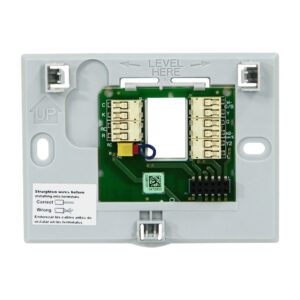
2. Smart Thermostats: Your Home’s Personal Climate Controller
This is a no-brainer for both comfort and significant energy savings.
- How They Work: Smart thermostats learn your daily routines and preferences, automatically adjusting the temperature to optimize comfort and minimize energy waste. They can also be controlled remotely.
- Key Features: Geofencing (adjusts temperature based on your location), learning capabilities, energy usage reports, remote access.
- Popular Choices: Nest Learning Thermostat, ecobee SmartThermostat, Honeywell Home T-Series.
- Savings Potential: Many users report saving 10-15% on their heating and cooling bills annually.
3. Smart Security: Peace of Mind at Your Fingertips
Elevate your home’s security with intelligent devices that offer real-time monitoring and control.
- Smart Locks: Lock and unlock your doors remotely, grant temporary access to visitors, and receive notifications when your door is opened or closed.
- Brands to Consider: August Smart Lock, Schlage Encode, Yale Assure Lock.
- Benefits: Keyless entry, enhanced security, convenient access for guests.
- Smart Security Cameras: Monitor your home’s interior and exterior from your smartphone. Many offer motion detection, night vision, and two-way audio.
- Brands to Consider: Ring, Arlo, Nest Cam, Wyze Cam.
- Benefits: Deterrence, evidence gathering, remote monitoring.
- Smart Doorbells: See and speak to visitors at your door, even when you’re not home.
- Brands to Consider: Ring Video Doorbell, Nest Doorbell, Eufy Video Doorbell.
- Benefits: Enhanced security, package monitoring, convenience.
- Smart Sensors (Door/Window, Motion, Smoke/CO): These devices provide alerts for unauthorized entry, movement, or hazardous conditions.
- Benefits: Early detection of potential threats, enhanced safety.
4. Smart Plugs and Outlets: Simple Yet Powerful Automation
These are the unsung heroes of a smart home, offering an affordable way to make almost any appliance smart.
- How They Work: Plug a smart plug into a regular outlet, then plug your appliance into the smart plug. You can then control the power to the appliance remotely or schedule it.
- Use Cases: Turning on lamps, fans, coffee makers, holiday lights, or even non-smart air purifiers.
- Brands to Consider: Kasa Smart, Wyze Plug, Wemo Mini.
- Benefits: Affordable entry into smart home, energy saving (eliminating phantom power draw), scheduling.
5. Smart Assistants: The Voice of Your Home
These are the devices that allow you to interact with your smart home using voice commands.
- Amazon Echo (Alexa): Widely compatible with a vast array of smart devices.
- Google Nest (Google Assistant): Excellent integration with Google services and a growing device ecosystem.
- Apple HomePod (Siri): Seamless for Apple users, leveraging the HomeKit framework.
- Benefits: Hands-free control, information retrieval, music playback, setting reminders, and controlling your smart devices.
Getting Started on a Budget: Smart Strategies
The idea of a smart home might seem expensive, but it doesn’t have to be. Here’s how to get started without breaking the bank:
- Start Small: Begin with one or two devices that offer the most immediate benefit to you, like smart bulbs or a smart plug.
- Focus on Core Needs: Prioritize areas like security, energy savings, or convenience that will have the biggest impact on your daily life.
- Look for Sales and Bundles: Many retailers offer discounts on smart home devices, especially during holiday seasons. Bundles can also offer cost savings.
- Choose Compatible Brands: When selecting devices, pay attention to which voice assistant or smart hub they are compatible with to ensure they can work together.
- DIY Installation: Many smart home devices are designed for easy DIY installation, saving you on professional setup costs.
- Consider Refurbished or Older Models: Sometimes, you can find great deals on slightly older but still perfectly functional smart home devices.
The Future is Now: Embracing Your Smarter Life
Transforming your home into a smart haven is an ongoing journey, not a destination. As you become more comfortable, you’ll discover new ways to integrate technology and enhance your living experience. From automated routines that streamline your mornings to enhanced security that provides unparalleled peace of mind, a smart home offers a future that is more convenient, efficient, and enjoyable. So, take the leap. Start small, be strategic, and unlock the incredible potential of your own smart home. The future is calling, and it’s time to answer.



Leave a Comment
You must be logged in to post a comment.