
Ever felt overwhelmed by the sheer volume of terms thrown around when discussing interior design? From "Bohemian" to "Mid-Century Modern," the language of home decor can feel like a secret code. But what if understanding these style names wasn’t just about memorizing labels, but about unlocking the very essence of your personal taste and creating a sanctuary that truly reflects you? This isn’t just about trends; it’s about discovering the aesthetic DNA that makes your heart sing. Prepare to dive deep into the world of home decor style names, uncover their unique characteristics, and, most importantly, pinpoint the one that’s been waiting to be your home’s signature.
The journey to a beautifully designed home often begins with a vague idea, a feeling, or a collection of images that resonate. But translating that feeling into tangible design choices requires a vocabulary. Understanding home decor style names empowers you to communicate your vision, make informed decisions, and ultimately, build a space that feels authentically yours. Let’s embark on this stylish exploration, breaking down the most popular and influential styles, their origins, and the key elements that define them.
The Classic Cornerstones: Enduring Styles with Timeless Appeal
These styles have stood the test of time, offering elegance, comfort, and a sense of history.
1. Traditional: Think of stately homes and time-honored craftsmanship. Traditional decor draws inspiration from European design, particularly from the 18th and 19th centuries.
- Key Elements: Rich, dark woods (mahogany, cherry, walnut), ornate details like carvings and moldings, plush fabrics (velvet, silk, brocade), antique or reproduction furniture with classic silhouettes (e.g., Queen Anne chairs, Chippendale tables), symmetrical arrangements, detailed patterns (florals, damask, paisley), and a warm, inviting color palette.
- Feeling: Sophisticated, elegant, formal, comfortable, and enduring.
- Who it’s for: Those who appreciate history, fine craftsmanship, and a sense of timeless luxury.
2. Transitional: The perfect bridge between traditional and contemporary, Transitional style offers a sophisticated yet relaxed aesthetic. It embraces the best of both worlds, avoiding the excessive ornamentation of traditional and the starkness of some modern designs.
- Key Elements: A blend of classic and modern furniture shapes, neutral color palettes with pops of color, comfortable and inviting textures, clean lines with some curves, balanced proportions, and a focus on understated elegance. Think of a plush sofa with clean lines, paired with a more traditional coffee table.
- Feeling: Comfortable, inviting, sophisticated, balanced, and versatile.
- Who it’s for: Those who want a stylish home that’s also comfortable and adaptable, avoiding extreme design choices.
3. French Country: Evoking the rustic charm of the French countryside, this style is all about warmth, simplicity, and natural beauty.

- Key Elements: Weathered or distressed wood furniture, wrought iron accents, natural fabrics (linen, cotton, burlap), floral or toile patterns, muted color palettes (creams, whites, soft blues, pale yellows), stone or terracotta flooring, and a relaxed, lived-in feel.
- Feeling: Rustic, charming, relaxed, warm, and inviting.
- Who it’s for: Those who love a cozy, lived-in look with a touch of European romance.
4. Coastal/Nautical: Bringing the refreshing essence of the seaside indoors, this style is synonymous with light, airy spaces and a relaxed vibe.
- Key Elements: A palette of blues, whites, and sandy neutrals, natural materials like driftwood, rattan, and jute, nautical motifs (stripes, anchors, shells), light and airy fabrics, and furniture that suggests comfort and ease.
- Feeling: Relaxed, breezy, fresh, clean, and serene.
- Who it’s for: Anyone who loves the ocean, natural light, and a sense of calm.
The Modern Movement: Embracing Simplicity and Innovation
These styles are defined by their clean lines, functional design, and often, a forward-thinking approach.
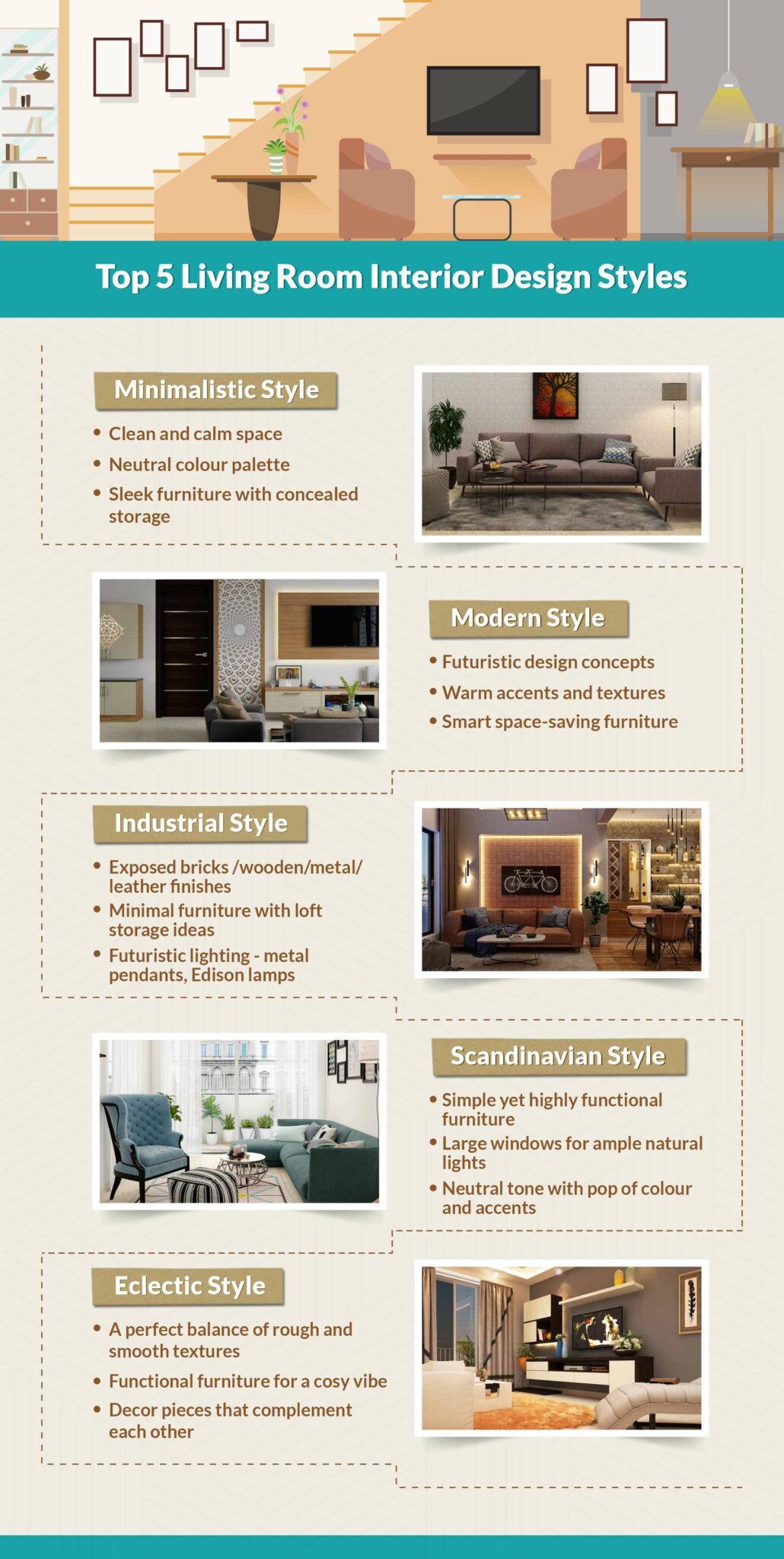
5. Modern: Emerging in the early to mid-20th century, Modern design is characterized by its simplicity, functionality, and lack of ornamentation. It’s a rejection of fussy, traditional styles.
- Key Elements: Clean lines, smooth surfaces, minimal ornamentation, open floor plans, functional furniture, a focus on natural materials like wood, metal, and glass, and a neutral color palette often accented with bold colors.
- Feeling: Sleek, minimalist, functional, uncluttered, and sophisticated.
- Who it’s for: Those who appreciate clean aesthetics, functionality, and a minimalist approach to living.
6. Mid-Century Modern: A beloved sub-genre of Modern design, Mid-Century Modern (MCM) flourished from roughly the 1940s to the 1960s. It’s known for its organic shapes, functionalism, and integration with nature.
- Key Elements: Organic and geometric forms, tapered legs on furniture, a mix of natural and man-made materials (wood, plastic, metal), a focus on functionality and comfort, vibrant pops of color within a neutral base, and a connection to the outdoors. Think of iconic Eames chairs and Sputnik chandeliers.
- Feeling: Retro, stylish, functional, optimistic, and playful.
- Who it’s for: Design enthusiasts who appreciate iconic furniture, a blend of organic and geometric forms, and a touch of retro charm.
7. Scandinavian (Scandi): Rooted in the design traditions of Denmark, Sweden, Norway, and Finland, Scandi style is all about hygge (coziness) and lagom (just the right amount). It prioritizes simplicity, functionality, and natural light.
- Key Elements: Light wood tones (birch, ash, pine), white or light gray walls, minimal clutter, functional and comfortable furniture with clean lines, natural textures (wool, felt, linen), and a focus on natural light.
- Feeling: Cozy, minimalist, functional, bright, and serene.
- Who it’s for: Those who value simplicity, comfort, and a bright, airy living space.
8. Industrial: Inspired by warehouses, factories, and urban lofts, Industrial style celebrates raw, unfinished elements and a utilitarian aesthetic.
- Key Elements: Exposed brick, concrete floors, metal accents (steel, iron), reclaimed wood, Edison bulbs, open shelving, utilitarian furniture, and a neutral color palette.
- Feeling: Edgy, raw, utilitarian, spacious, and urban.
- Who it’s for: Those who appreciate a more rugged, unfinished look and a connection to urban environments.
9. Minimalist: Taking simplicity to its extreme, Minimalist design focuses on essential elements and a lack of adornment. Every item serves a purpose.
- Key Elements: Extreme simplicity, clean lines, monochromatic color palettes (whites, grays, blacks), uncluttered spaces, functional furniture, and high-quality, well-designed pieces.
- Feeling: Serene, calm, ordered, sophisticated, and intentional.
- Who it’s for: Those who thrive in organized, uncluttered environments and appreciate the beauty of negative space.
The Eclectic and Expressive: Celebrating Individuality
These styles are about breaking the rules and creating spaces that are rich in personality and unique finds.
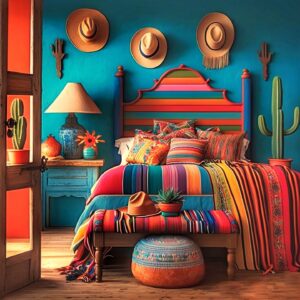
10. Bohemian (Boho): A free-spirited and unconventional style, Boho is all about layering, personal expression, and a relaxed, eclectic mix of patterns, colors, and textures.
- Key Elements: Rich textures (velvet, macrame, fringe), vibrant colors and patterns (global prints, florals, geometrics), layered rugs and textiles, plants galore, vintage and global finds, and a generally unconventional and artistic feel.
- Feeling: Free-spirited, artistic, eclectic, cozy, and unconventional.
- Who it’s for: Creatives, travelers, and anyone who loves to mix and match and express their personality through their space.
11. Shabby Chic: This style embraces vintage charm with a romantic, feminine touch. It’s about comfort, coziness, and a beautifully aged aesthetic.
- Key Elements: Distressed furniture (often painted white or pastel), floral patterns, lace, ruffles, vintage finds, soft and muted color palettes, and a generally romantic and whimsical feel.
- Feeling: Romantic, charming, feminine, cozy, and vintage.
- Who it’s for: Those who love a soft, romantic aesthetic, vintage treasures, and a lived-in, comfortable feel.
12. Rustic: Embracing the raw beauty of nature, Rustic style is characterized by natural materials, earthy tones, and a cozy, cabin-like feel.
- Key Elements: Natural wood (often unfinished or with a rough texture), stone, leather, plaid patterns, earthy color palettes (browns, greens, reds), and a focus on comfort and warmth.
- Feeling: Cozy, warm, natural, grounded, and outdoorsy.
- Who it’s for: Nature lovers, those who enjoy a cozy cabin atmosphere, and anyone who appreciates natural materials.
13. Farmhouse: A popular style that blends rustic charm with modern comfort and simplicity. Modern Farmhouse is a refined version, incorporating clean lines and updated elements.
- Key Elements: White or neutral walls, natural wood accents (barn wood, shiplap), comfortable and inviting furniture, vintage-inspired pieces, open shelving, and a focus on practicality and warmth.
- Feeling: Cozy, welcoming, relaxed, practical, and charming.
- Who it’s for: Those who love a welcoming, comfortable, and slightly rustic aesthetic with a modern sensibility.
The Emerging and Niche: Styles Making Waves
These styles might be newer or more specific, but they offer unique ways to express personal taste.
14. Japandi: A harmonious fusion of Japanese minimalism and Scandinavian functionality, Japandi offers a serene and sophisticated aesthetic.
- Key Elements: Clean lines, natural materials (wood, bamboo, stone), neutral color palettes, functional design, a focus on craftsmanship and quality, and a sense of calm and order.
- Feeling: Serene, minimalist, functional, warm, and sophisticated.
- Who it’s for: Those who appreciate the calm of minimalism and the warmth of Scandinavian design, seeking a balanced and tranquil environment.
15. Wabi-Sabi: This Japanese philosophy celebrates imperfection, impermanence, and the beauty of the natural world. It’s about finding beauty in flaws and appreciating the passage of time.
- Key Elements: Natural materials (wood, stone, clay), muted and earthy color palettes, asymmetry, rough textures, visible wear and tear, and a focus on simplicity and authenticity.
- Feeling: Authentic, imperfect, serene, mindful, and natural.
- Who it’s for: Those who value authenticity, find beauty in imperfection, and seek a deeply mindful and grounded living space.
16. Art Deco: Flourishing in the 1920s and 1930s, Art Deco is synonymous with glamour, luxury, and bold geometric patterns.
- Key Elements: Geometric shapes (chevrons, sunbursts), rich materials (lacquer, chrome, velvet), bold colors, stylized motifs, and a sense of opulence and sophistication.
- Feeling: Glamorous, luxurious, bold, sophisticated, and opulent.
- Who it’s for: Those who are drawn to the Roaring Twenties, appreciate bold design, and love a touch of glamour.
Finding Your Style: The Secret Ingredient
Now that you’re armed with a comprehensive vocabulary, how do you pinpoint your personal style? It’s rarely a single, rigid definition. Most people are a beautiful blend of styles, influenced by their experiences, travels, and personal preferences.
1. Look at Your Wardrobe: What colors, textures, and silhouettes do you gravitate towards in your clothing? This is often a strong indicator of your aesthetic preferences.
2. Analyze Your Favorite Spaces: Think about hotels, cafes, or friends’ homes that you love. What elements draw you in? Is it the color palette, the furniture, the overall mood?
3. Create a Mood Board: Gather images from magazines, Pinterest, or Instagram that resonate with you. Don’t overthink it; just collect what sparks joy. Once you have a collection, look for recurring themes, colors, and textures.
4. Consider Your Lifestyle: Do you entertain frequently? Do you have children or pets? Your lifestyle should inform your design choices. A high-maintenance, delicate style might not be practical for a busy family.
5. Don’t Be Afraid to Mix and Match: The most compelling interiors often blend elements from different styles. The key is to create a cohesive whole by finding common threads – perhaps a similar color palette or a recurring material.
The "Clickbait" Revelation: The secret to unlocking your dream home isn’t just about knowing the names; it’s about understanding the feelings and philosophies behind them. It’s about recognizing that a particular style name isn’t just a label, but a gateway to a specific kind of comfort, beauty, and self-expression.
Perhaps you’ve always been drawn to the clean lines and functionality of Mid-Century Modern, but also love the cozy, natural textures of Scandinavian design. Congratulations, you might be a Japandi enthusiast without even realizing it! Or maybe your heart sings at the sight of distressed wood and floral patterns, pointing towards Shabby Chic or French Country.
Ultimately, the most important "style" is your own. Use these style names as a compass, not a cage. They are tools to help you articulate your vision and build a home that not only looks beautiful but feels profoundly like you. So, go forth, explore, and let your personal style shine!

Leave a Comment
You must be logged in to post a comment.