

Ever walked into a friend’s home and felt an immediate sense of calm, sophistication, or sheer delight? You know the feeling – a space that just works, that whispers stories of comfort and style. And then you look around your own living room, and it feels… well, a little flat. Uninspired. Like a puzzle with missing pieces.
If you’ve ever scrolled through Pinterest or flipped through interior design magazines and thought, "How do they do that?" then this article is your golden ticket. Forget fleeting trends and overwhelming choices. We’re about to pull back the curtain and reveal the core principles that transform ordinary spaces into extraordinary havens. These aren’t just tips; they’re the foundational secrets that interior designers use to create homes that are not only beautiful but also deeply functional and reflective of their inhabitants. Get ready to unlock your home’s hidden potential and create a space you’ll truly love.
The Foundation: Understanding Your Style (It’s Not Just About Pretty Pictures!)
Before you even think about choosing a sofa or a paint color, the most crucial step is understanding your personal style. This is where many people stumble, getting caught up in what’s popular rather than what resonates with them. Interior designers don’t just follow trends; they cultivate a unique aesthetic for each client.
- The "Mood Board" Revelation: Creating a mood board isn’t just a designer’s trick; it’s your secret weapon. Gather images from magazines, Pinterest, Instagram, even screenshots of rooms you admire in movies or TV shows. Don’t overthink it. Look for common threads: the colors you’re drawn to, the textures that feel inviting, the overall vibe (minimalist, bohemian, modern farmhouse, industrial, eclectic, etc.). Are you drawn to clean lines and neutral palettes, or do you crave vibrant colors and bold patterns? Do you prefer natural materials like wood and linen, or do you lean towards sleek metals and glass?
- Beyond Aesthetics: Functionality is King (or Queen!): Your home should serve your lifestyle. Are you a homebody who loves to entertain? Do you work from home and need a dedicated, inspiring workspace? Do you have young children or pets? The furniture you choose, the layout of your rooms, and even the decorative elements should support your daily life. A beautiful sofa is great, but if it’s not comfortable or durable enough for your family, it’s a failed design choice. Designers ask: "How will this space be used?"
- The Power of "Less is More" (When Done Right): Often, the key to a sophisticated look isn’t clutter, but intentionality. Every item in a well-designed room has a purpose, whether it’s functional or purely decorative. Embrace the idea of curated pieces that tell a story or evoke a feeling. This doesn’t mean your home has to be stark; it means each element is chosen with care.
The Unsung Heroes: Color Palette and Lighting – The Architects of Atmosphere
If style is the DNA of your home, then color and lighting are its heartbeat and soul. These two elements have the power to completely transform the mood and perception of a space, often more than any expensive piece of furniture.
- Color Psychology: Painting Your Emotions: Colors evoke emotions. Blues and greens can create a sense of calm and tranquility, perfect for bedrooms and bathrooms. Warm tones like reds, oranges, and yellows can foster energy and warmth, ideal for living areas or dining rooms. Neutrals like beige, grey, and white provide a sophisticated backdrop that allows other elements to shine, and they offer incredible versatility.
- The 60-30-10 Rule: A classic designer trick for a balanced color palette. 60% of the space should be a dominant color (walls, large furniture), 30% a secondary color (accent chairs, curtains), and 10% an accent color (throw pillows, artwork, decorative objects). This provides visual interest without being overwhelming.
- Don’t Fear the Bold: While neutrals are safe, don’t shy away from a statement wall or a bold accent color if it speaks to your style. It can be the focal point that elevates the entire room.
- Lighting: The Magic Wand of Interior Design: The right lighting can make a small room feel larger, a dark room feel brighter, and a sterile room feel cozier. It’s not just about turning on a switch; it’s about layering light for different purposes and moods.
- Ambient Lighting: This is the general, overall illumination of a room. Think ceiling fixtures, recessed lighting, or floor lamps that cast a soft glow.
- Task Lighting: Focused light for specific activities. This includes desk lamps for a home office, pendant lights over a kitchen island, or reading lamps next to a sofa.
- Accent Lighting: Used to highlight architectural features, artwork, or decorative objects. This can be achieved with spotlights, picture lights, or even cleverly placed uplights.
- The Warmth Factor: Pay attention to the Kelvin temperature of your bulbs. Warmer tones (around 2700K) create a cozy, inviting atmosphere, while cooler tones (4000K+) are more energizing and better suited for task-oriented areas. Dimmers are your best friend for controlling the mood.
Furniture Fundamentals: Beyond Just Sitting – It’s About Form and Function
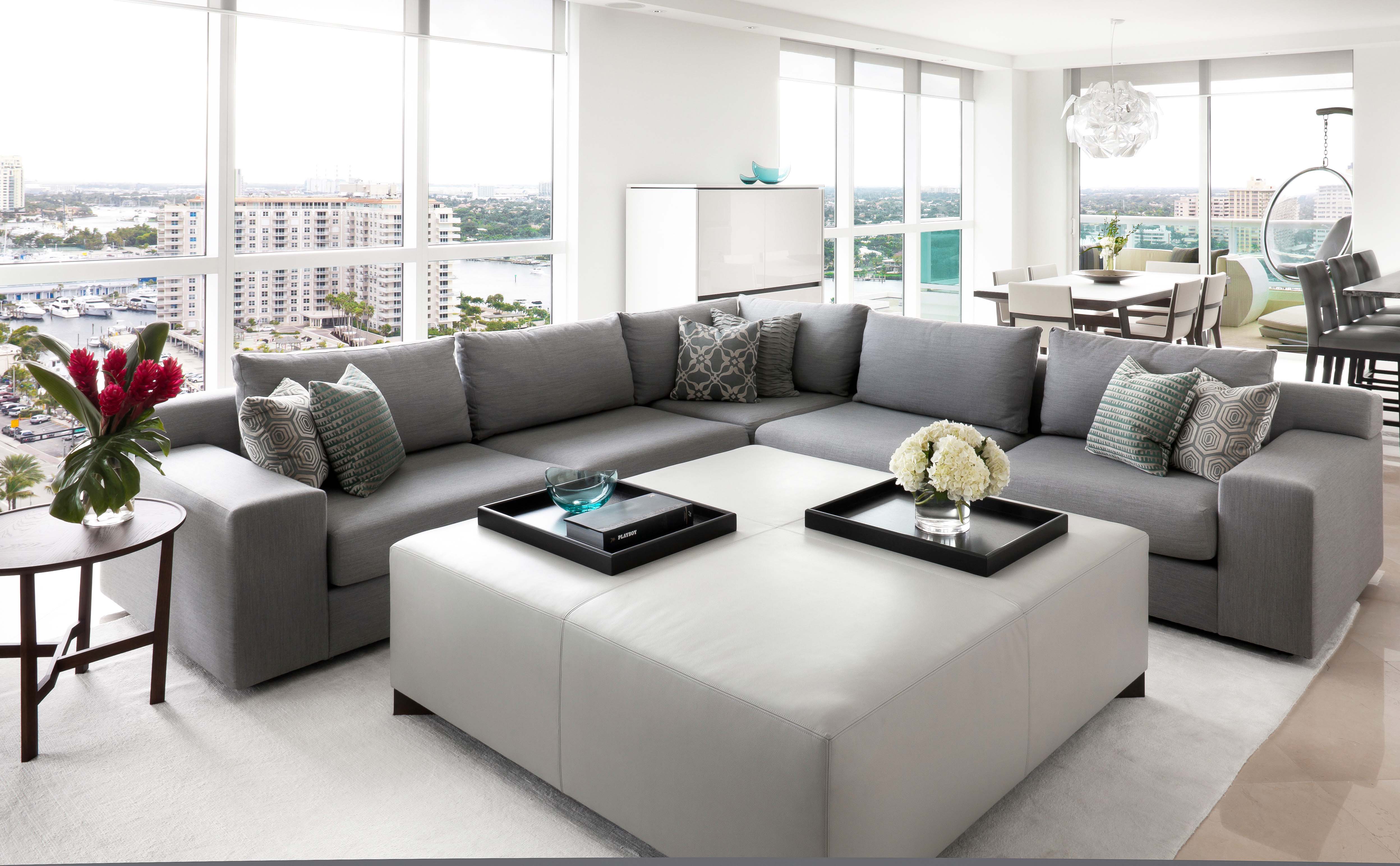
Furniture is the backbone of any room, but choosing the right pieces goes far beyond simply picking something that looks good. It’s about scale, proportion, material, and how it integrates with the overall design.
- Scale and Proportion: The Golden Ratio of Your Room: This is perhaps the most overlooked aspect of furniture selection. A giant sectional sofa in a tiny living room will overwhelm the space, making it feel cramped. Conversely, a collection of delicate, small pieces in a large room can feel lost and insignificant.
- Measure Twice, Buy Once: Always measure your space and the intended furniture pieces before purchasing. Consider traffic flow – ensure there’s enough room to walk comfortably around your furniture.
- The Rule of Thirds (for furniture arrangement): Imagine your room divided into thirds. Place your largest furniture pieces first, then fill in with smaller items. This helps create balance and prevents a cluttered or empty feel.
- The Power of a Focal Point: Every well-designed room has a focal point – a statement piece or area that immediately draws the eye. This could be a stunning fireplace, a large piece of art, a bold accent wall, or a beautifully designed piece of furniture. Arrange your furniture around this focal point to create a cohesive and intentional layout.
- Material Matters: Texture, Durability, and Style: The materials of your furniture significantly impact the look, feel, and longevity of your space.
- Natural Materials: Wood, rattan, linen, and cotton exude warmth and comfort, fitting beautifully into bohemian, farmhouse, or Scandinavian styles.
- Modern Materials: Leather, metal, glass, and velvet offer a more sophisticated and contemporary feel, perfect for modern, industrial, or art deco designs.
- Durability for Real Life: Consider how the furniture will be used. For high-traffic areas or homes with children and pets, opt for durable fabrics like microfiber, performance velvet, or treated leather.
- The "Statement Piece" Gamble: While investing in timeless, foundational pieces is wise, don’t be afraid to incorporate a "statement piece" – a chair with a unique silhouette, a vintage dresser, or a striking coffee table – that adds personality and visual interest.
The Finishing Touches: Details That Make the Difference (And People Will Talk About!)
This is where the magic truly happens. The accessories, textiles, and decorative elements are the unsung heroes that tie everything together and inject your personality into the space. These are the details that transform a house into a home.
- Textile Play: Softening and Styling: Rugs, curtains, throw pillows, and blankets are your secret weapons for adding texture, color, and warmth.
- Rugs as Anchors: A well-chosen rug can define a seating area, add warmth underfoot, and introduce color and pattern. Ensure it’s the right size – it should anchor your furniture, not just sit awkwardly in the middle.
- Pillow Power: Throw pillows are the easiest and most affordable way to update your decor. Mix and match textures, patterns, and sizes for a layered, inviting look.
- Draping with Style: Curtains aren’t just for privacy; they frame your windows, add softness, and can control light. Consider the fabric, color, and how they hang to maximize their impact.
- The Art of Arrangement: Groupings and Visual Balance: How you display your decorative objects is as important as the objects themselves.
- Gallery Walls: A curated collection of art and photographs can create a dynamic focal point. Mix frame styles and sizes for an eclectic look, or keep them uniform for a more cohesive feel.
- "The Rule of Three" for Vignettes: Grouping decorative items in odd numbers (three or five) often creates a more pleasing visual arrangement than even numbers.
- Don’t Forget Greenery: Plants bring life, color, and a sense of well-being to any space. From a large statement plant to small succulents, they add a natural, organic touch.
- Personalization is Paramount: This is your home! Incorporate items that are meaningful to you – travel souvenirs, family heirlooms, books you love, and photographs. These personal touches are what make a house truly yours and tell your unique story.
Your Home, Your Sanctuary: Embracing the Journey
Creating a home you love isn’t about replicating magazine spreads perfectly; it’s about understanding the principles of good design and applying them to your own life and style. It’s a journey of discovery, experimentation, and ultimately, creating a space that nurtures and inspires you.
By focusing on your personal style, mastering the art of color and lighting, selecting furniture with intention, and paying attention to the finishing touches, you can transform your living space. You have the power to unlock your home’s hidden potential and create a sanctuary that reflects who you are. So, start small, have fun, and watch your home blossom into a place you’ll be proud to share and cherish.


Leave a Comment
You must be logged in to post a comment.