
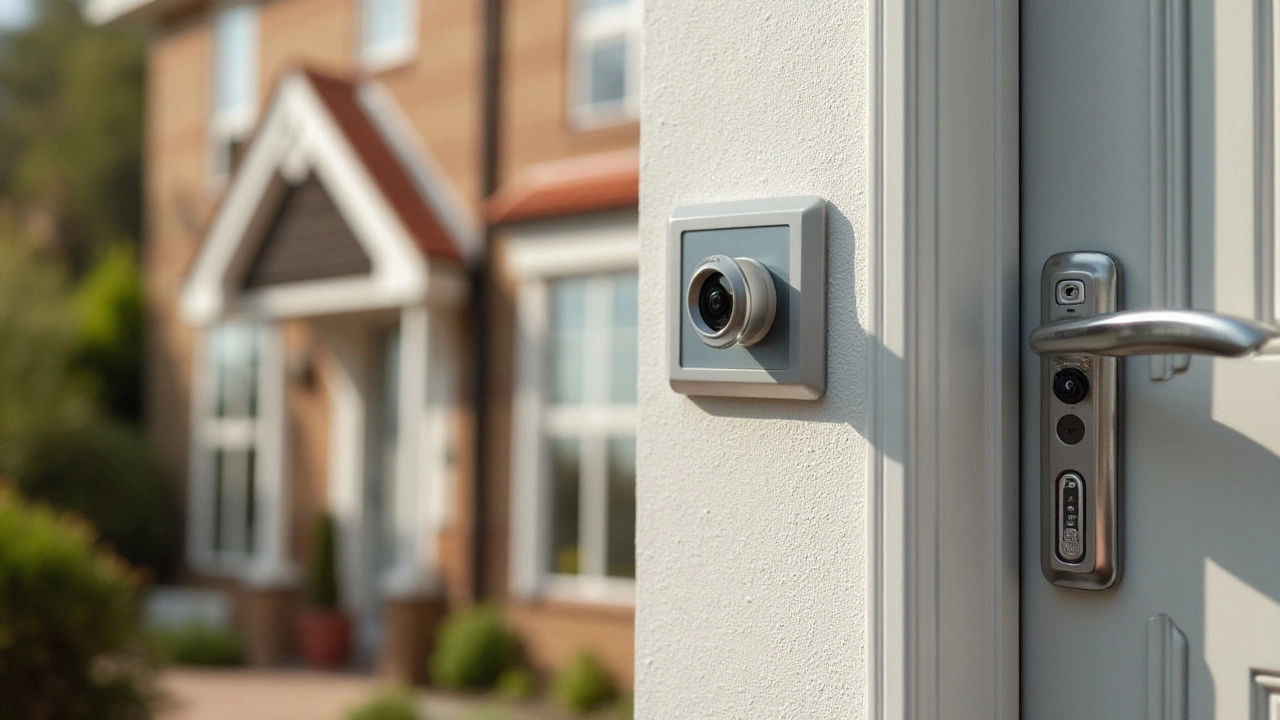
The allure of a smart home is undeniable. Imagine waking up to lights gently illuminating your room, your coffee brewing automatically, and your thermostat set to the perfect temperature – all before you even get out of bed. This vision of convenience and futuristic living has captivated millions, leading to a surge in the adoption of smart home devices. From voice-activated assistants and smart locks to security cameras and connected appliances, our homes are becoming increasingly intelligent.
However, beneath the surface of this technological marvel lies a growing concern: security. As our homes become more connected, they also become more vulnerable. The very systems designed to enhance our lives can, in the wrong hands, become a gateway for criminals, hackers, and privacy invaders. The question isn’t if your smart home can be compromised, but when and how severely. This article will delve into the critical aspects of smart home security, revealing the shocking vulnerabilities present in many popular systems and, more importantly, guiding you on how to build an impenetrable fortress for your digital sanctuary.
The Growing Threat: Why Your Smart Home is a Hacker’s Dream
The rapid proliferation of smart devices has outpaced the development of robust security protocols. Many manufacturers prioritize ease of use and cost-effectiveness over comprehensive security measures, leaving consumers exposed. Here are some of the most common attack vectors that target smart homes:
- Weak Passwords and Default Credentials: This is the most basic, yet alarmingly prevalent, vulnerability. Many users fail to change default passwords on their routers and smart devices, making them easily guessable. Hackers can also exploit brute-force attacks to crack weak passwords.
- Unsecured Wi-Fi Networks: Your home Wi-Fi is the backbone of your smart home. If your network is not secured with strong encryption (WPA2/WPA3) and a complex password, it becomes an open invitation for anyone on the street to access your devices.
- Outdated Firmware and Software: Like any software, smart home device firmware and apps require regular updates to patch security vulnerabilities. Many users neglect these updates, leaving their devices exposed to known exploits.
- Insecure Communication Protocols: Some smart devices communicate using unencrypted or weakly encrypted protocols, allowing attackers to intercept sensitive data, such as login credentials, camera feeds, and even commands sent to your devices.
- Vulnerable IoT Devices: Many Internet of Things (IoT) devices are designed with minimal security in mind. This can include cameras with no authentication, smart locks with exploitable firmware, and even connected appliances that can be used as entry points into your network.
- Phishing and Social Engineering: Hackers can trick users into revealing their login credentials or downloading malicious software through phishing emails, fake websites, or deceptive phone calls, ultimately compromising their smart home accounts.
- Man-in-the-Middle (MITM) Attacks: In this type of attack, a hacker intercepts communication between two devices, allowing them to eavesdrop on conversations or even alter the data being exchanged.
The Real-World Consequences: What Happens When Your Smart Home is Hacked?
The implications of a compromised smart home extend far beyond mere inconvenience. The consequences can be devastating:
- Privacy Invasion: Hackers can gain access to your live camera feeds, listen to conversations through smart speakers, and even track your daily routines. This can lead to stalking, blackmail, and a profound loss of personal privacy.
- Financial Loss: If your smart home is connected to financial accounts or allows for remote purchases, hackers can exploit this to steal money or make unauthorized transactions.
- Physical Security Risks: A compromised smart lock could allow burglars to enter your home. In more extreme scenarios, hackers could manipulate smart appliances, such as ovens or heaters, to cause damage or injury.
- Identity Theft: Sensitive personal information collected by your smart devices could be used for identity theft, leading to significant financial and legal repercussions.
- DDoS Attacks and Botnets: Your compromised smart devices can be recruited into a botnet, used by hackers to launch Distributed Denial of Service (DDoS) attacks against websites or other targets without your knowledge.
- Reputational Damage: If your smart home is used to conduct illegal activities, it could lead to legal trouble and damage your reputation.
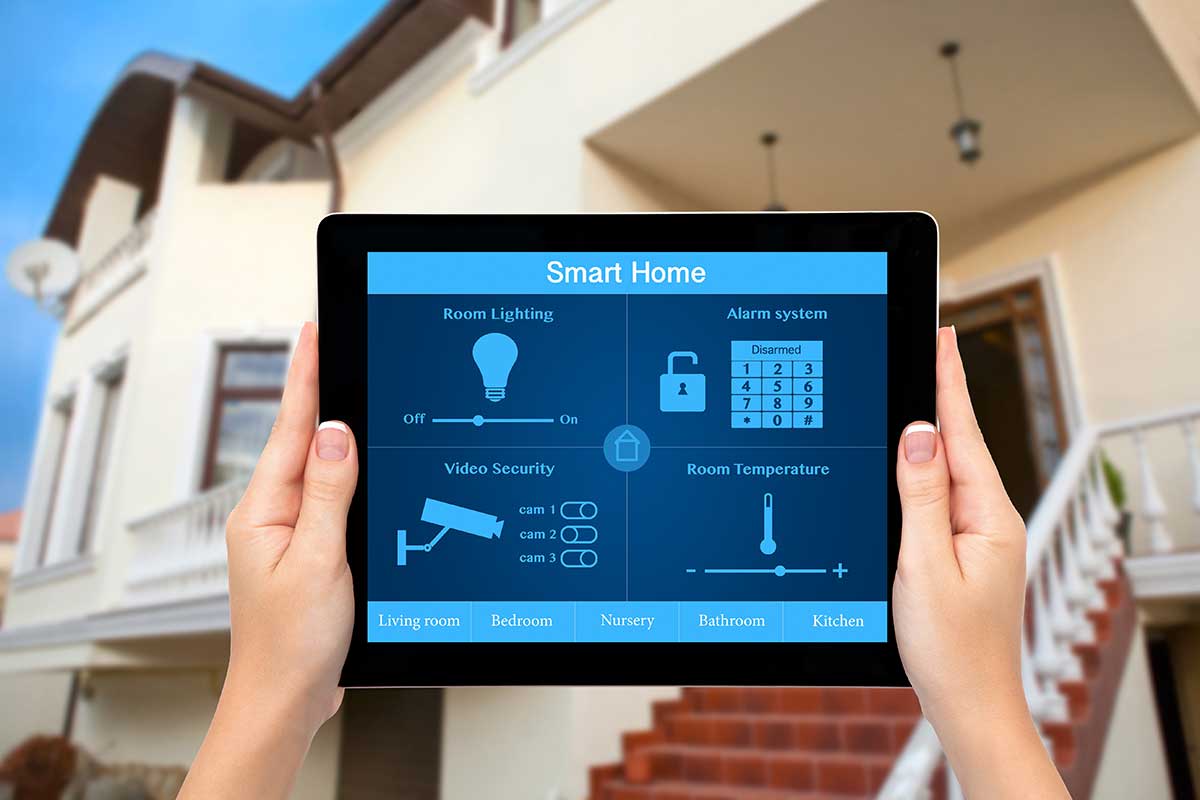
Building Your Digital Fortress: The Pillars of a Secure Smart Home
While the threats are real, building a secure smart home is achievable with a proactive and layered approach. It’s not about avoiding smart technology altogether, but about making informed choices and implementing robust security practices.
1. The Foundation: Securing Your Network is Paramount
Your Wi-Fi network is the gateway to your smart home. Neglecting its security is like leaving your front door wide open.
- Router Security:
- Change Default Credentials: Immediately change the default username and password on your router. Use a strong, unique password that combines upper and lowercase letters, numbers, and symbols.
- Enable WPA2/WPA3 Encryption: Ensure your Wi-Fi network is using the strongest available encryption protocol. WPA3 is the latest and most secure.
- Disable WPS (Wi-Fi Protected Setup): WPS is a convenient feature but is known to be vulnerable.
- Regularly Update Router Firmware: Just like your devices, your router needs updates. Check for firmware updates from your router manufacturer and install them promptly.
- Consider a Guest Network: Create a separate guest network for visitors. This isolates their devices from your main network, preventing potential infections from spreading.
- Change Default SSID (Network Name): While not a major security measure, changing the default SSID makes your network less of a target for automated scans.
2. Device-Level Defense: Fortifying Your Smart Gadgets
Each smart device you introduce needs individual attention to security.
- Strong, Unique Passwords for Every Device: Never reuse passwords. Create a strong, unique password for each smart device and its associated app. Consider using a password manager to keep track of them all.
- Enable Two-Factor Authentication (2FA): Wherever possible, enable 2FA on your smart device accounts. This adds an extra layer of security by requiring a second form of verification (e.g., a code sent to your phone) in addition to your password.
- Keep Firmware and Software Updated: Make it a habit to check for and install updates for all your smart devices and their companion apps regularly. Enable automatic updates if available.
- Research Before You Buy: Before purchasing any smart device, research its security track record. Look for brands known for their commitment to security and regular updates. Read reviews specifically mentioning security concerns.
- Limit Device Permissions: When setting up apps for your smart devices, be mindful of the permissions they request. Grant only the necessary permissions.
- Disable Unused Features: If a smart device has features you don’t use, disable them. This reduces the attack surface.
- Physical Security: For devices like smart locks and cameras, consider their physical security. Ensure they are installed correctly and are not easily tampered with.
3. Smart Hubs and Ecosystems: The Central Command Center
If you’re using a smart home hub (like Amazon Echo, Google Home, Apple HomeKit, or Samsung SmartThings), its security is critical.
- Secure Your Hub’s Account: Treat your smart hub account with the same rigor as your online banking. Use a strong, unique password and enable 2FA.
- Understand Device Compatibility: Ensure that the devices you connect to your hub are compatible and have a good security reputation. Avoid connecting devices from unknown or untrusted manufacturers.
- Regularly Review Connected Devices: Periodically review the list of devices connected to your hub and remove any that are no longer in use or you don’t recognize.
4. Advanced Security Measures: For the Extra Cautious
For those who want to go the extra mile, consider these advanced strategies:
- Network Segmentation (VLANs): If your router supports it, create separate Virtual Local Area Networks (VLANs) for your smart devices. This isolates them from your main network, meaning if one smart device is compromised, it won’t be able to access your computers or sensitive data.
- VPN for Remote Access: If you need to access your smart home remotely, consider using a Virtual Private Network (VPN) for an encrypted connection.
- Firewall Configuration: Understand and configure your router’s firewall settings to block unnecessary incoming connections.
- Regular Security Audits: Consider periodically reviewing your smart home setup for potential vulnerabilities.
The Future of Smart Home Security: A Collective Responsibility
The responsibility for smart home security doesn’t solely rest on the consumer. Manufacturers must prioritize security by design, implementing robust encryption, regular patching, and transparent security practices. Governments and regulatory bodies also play a role in establishing standards and holding companies accountable.
Conclusion: Take Control of Your Digital Sanctuary
The dream of a convenient and intelligent home is within reach, but it must be built on a foundation of unwavering security. By understanding the threats, implementing the strategies outlined above, and staying vigilant, you can transform your smart home from a potential vulnerability into an impenetrable digital fortress. Don’t wait for a breach to happen. Take control of your smart home security today and ensure your sanctuary remains truly yours. The peace of mind that comes with a secure smart home is, after all, the ultimate luxury.





Leave a Comment
You must be logged in to post a comment.