
Ever scroll through Pinterest or Instagram and feel that pang of envy? Those perfectly styled rooms, the curated aesthetics, the feeling of home that seems to emanate from every perfectly placed cushion and artfully arranged vase? We’ve all been there. The desire to transform our living spaces from mundane to magnificent is a universal one. But the immediate follow-up thought often crashes the party: where do I even begin to find all those beautiful things, and more importantly, how can I afford them?
The truth is, creating a home that truly reflects your personality and style doesn’t require a bottomless bank account or a personal shopper. The secret lies in knowing where to look, and that’s where the world of home decor suppliers comes into play. These are the unsung heroes behind every beautifully decorated room, the conduits that bring those dream designs from concept to reality. But navigating this vast landscape can feel overwhelming. Are you looking for affordable everyday essentials? Unique artisanal pieces? Sustainable and ethically sourced treasures? Or perhaps you’re a business owner aiming to stock your own boutique with the latest trends?
This article is your ultimate guide to unlocking the best home decor suppliers, revealing the hidden gems and the industry giants that cater to every taste, budget, and need. We’ll dive deep into the different types of suppliers, what they offer, and how you can leverage their offerings to create a home that truly speaks to you. Get ready to discover the sources that will transform your vision into a tangible, breathtaking reality.
The Diverse World of Home Decor Suppliers: Beyond the Big Box Stores
When you think of home decor, your mind might immediately jump to the usual suspects: IKEA, West Elm, Pottery Barn. While these are fantastic and accessible options, the world of home decor suppliers is far richer and more nuanced. Understanding the different categories will help you pinpoint exactly where to focus your search.
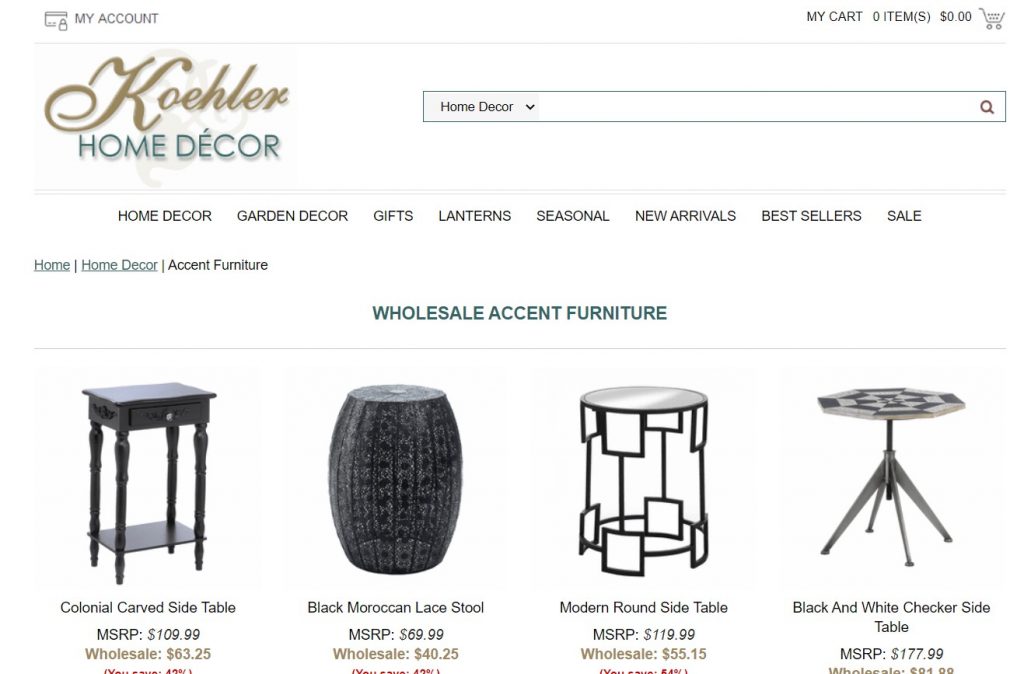
1. Wholesale Manufacturers & Direct-from-Factory Suppliers:
These are the powerhouses that produce the goods. For businesses, sourcing directly from manufacturers is often the most cost-effective way to acquire inventory. However, even as a consumer, you can sometimes tap into these sources, especially through online marketplaces that connect buyers directly with factories.
- What they offer: Mass-produced items, often at the lowest price points. Think furniture, textiles, lighting, and decorative accessories in large volumes.
- Pros: Highly competitive pricing, vast product selection, ability to buy in bulk.
- Cons: Minimum order quantities (MOQs) can be a barrier for individual consumers, quality can vary, less emphasis on unique or artisanal pieces.
- Examples: Alibaba, DHgate, and various regional manufacturing hubs that may have their own B2B platforms.
2. Independent Designers & Artisans:
This is where the magic of uniqueness and individuality truly shines. Independent designers and artisans pour their passion and creativity into crafting one-of-a-kind or limited-edition pieces. These are the items that tell a story, that carry a distinct artistic voice.
- What they offer: Handcrafted furniture, bespoke ceramics, original artwork, custom textiles, sculptural lighting, and highly personalized decor.
- Pros: Unparalleled originality, exceptional quality, ethical and sustainable production often prioritized, direct connection with the creator.
- Cons: Higher price points due to the labor and artistry involved, longer lead times for custom orders, limited production runs.
- Examples: Etsy (a vast marketplace for independent sellers), local craft fairs, individual designer websites, and online galleries dedicated to artisanal goods.

3. Curated Online Marketplaces:
These platforms act as bridges, bringing together a diverse range of suppliers, from small businesses to larger brands, under one virtual roof. They offer convenience, a wide selection, and often a curated aesthetic that appeals to specific tastes.
- What they offer: A broad spectrum of home decor, from affordable finds to luxury items, often categorized by style, room, or trend.
- Pros: Wide variety, convenient shopping experience, often features reviews and ratings, can discover new brands.
- Cons: Can be overwhelming due to the sheer volume of products, quality can vary significantly between sellers.
- Examples: Wayfair, Overstock, Amazon Home, Houzz.
4. Specialty Retailers & Boutiques:
These are the stores, both online and brick-and-mortar, that focus on a specific niche or aesthetic. They pride themselves on their curated collections, often sourcing from a mix of manufacturers and independent designers.
- What they offer: A carefully selected range of products that align with a particular style, such as bohemian, minimalist, Scandinavian, or vintage.
- Pros: High-quality curation, often a more personalized shopping experience, can find unique pieces that are harder to discover elsewhere.
- Cons: Can be more expensive than mass-market retailers, selection might be limited to their specific niche.
- Examples: Anthropologie Home, Urban Outfitters Home, smaller independent boutiques in your local area or online.
5. Sustainable & Ethical Suppliers:
In an era of increasing environmental and social consciousness, many consumers are seeking decor that aligns with their values. These suppliers prioritize eco-friendly materials, ethical labor practices, and sustainable production methods.
- What they offer: Furniture made from recycled materials, organic textiles, decor produced with fair trade certifications, and items with a low environmental footprint.
- Pros: Peace of mind knowing your purchases are ethically and sustainably made, often high-quality and durable products.
- Cons: Can sometimes be more expensive due to the cost of sustainable materials and production, availability might be more limited.
- Examples: Ten Thousand Villages, Made Trade, The Citizenry, and many smaller brands with a strong sustainability mission.
Strategies for Finding Your Perfect Suppliers: The Insider’s Guide
Now that you understand the landscape, how do you actually find these suppliers and make them work for your home decor dreams?
1. Define Your Style & Needs:
Before you embark on your supplier safari, take stock. What is your overarching style? Are you drawn to modern minimalism, cozy farmhouse charm, eclectic bohemian vibes, or something else entirely? What specific items are you looking for? Knowing your aesthetic and your wish list will prevent you from getting lost in a sea of irrelevant options.
2. Embrace the Power of Online Search (with a Twist):
- Beyond Generic Terms: Instead of just searching for "home decor," try more specific terms like "handmade ceramic vases," "recycled wood coffee table," "organic cotton throw pillows," or "vintage brass candle holders."
- Location, Location, Location: If you’re looking for something local or want to support regional artisans, add your city or state to your search.
- Use Keywords for Values: Incorporate terms like "sustainable," "ethical," "fair trade," "eco-friendly," or "artisanal" to find suppliers who align with your values.
3. Leverage Social Media Like a Pro:
- Pinterest & Instagram are Your Mood Boards: These platforms are visual goldmines. When you see a piece of decor you love, don’t just save the image. Look for the hashtags used, the accounts that posted it, and any tagged brands. Often, these will lead you directly to the supplier.
- Follow Influencers & Designers: Home decor influencers and interior designers often collaborate with or showcase products from specific suppliers. Following them can be a fantastic way to discover new sources.
- Explore Relevant Hashtags: Dive into hashtags like #homedecor, #interiordesign, #decorinspo, #handmadehome, #sustainableliving, and more niche tags related to your style.
4. Dive into Online Marketplaces with Purpose:
- Etsy for the Unique: If you’re seeking one-of-a-kind, handmade, or vintage items, Etsy is your go-to. Utilize their filters for location, price, and materials.
- Wayfair & Overstock for Variety: These platforms are excellent for a wide range of styles and price points, especially for larger furniture pieces. Pay close attention to customer reviews.
- Houzz for Inspiration & Sourcing: Houzz is a fantastic resource for both design inspiration and for finding products and suppliers used in those inspiring spaces.
5. Support Local & Small Businesses:
- Visit Local Boutiques: Explore independent home decor stores in your area. They often carry unique items and have knowledgeable staff who can point you in the right direction.
- Attend Craft Fairs & Markets: These events are a direct line to local artisans and small businesses. It’s a great way to see the quality of their work firsthand and build relationships.
6. Consider B2B Platforms (Even as a Consumer):
While primarily for businesses, some B2B platforms can be browsed by individuals to understand pricing and product availability. If you’re looking for a significant purchase or a specific type of item, understanding wholesale pricing can be insightful.
7. Don’t Underestimate the Power of Reviews & Recommendations:
Before committing to a supplier, especially for larger purchases, read reviews. Look for feedback on product quality, shipping reliability, and customer service. Ask for recommendations from friends, family, or online communities.
Beyond the Purchase: Building Relationships with Suppliers
The relationship with a home decor supplier doesn’t have to end with a single transaction. For those who frequently update their decor or are looking to establish a consistent style, building rapport can be incredibly beneficial.
- Sign Up for Newsletters: Many suppliers offer exclusive discounts, early access to new collections, and styling tips through their email newsletters.
- Follow Them on Social Media: Stay updated on their latest offerings and connect with their brand.
- Engage with Their Content: Like, comment, and share their posts to show your support.
- Provide Feedback: Honest feedback, both positive and constructive, can help suppliers improve their products and services.
The Takeaway: Your Dream Home Awaits
Transforming your house into a home is a journey, and the right home decor suppliers are your essential guides. By understanding the diverse options available, employing smart search strategies, and embracing the spirit of discovery, you can unlock a world of beautiful, unique, and affordable decor. Forget the feeling of being overwhelmed. With this guide, you’re armed with the knowledge to find exactly what you need to create a living space that not only looks stunning but also feels authentically yours. So, go forth, explore, and let your dream home become a reality!






Leave a Comment
You must be logged in to post a comment.